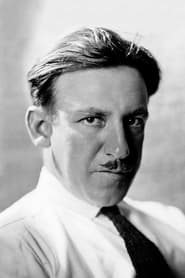
Tod Browning
Director
Born: July 12, 1880 in Louisville, Kentucky, United States Died: October 6, 1962 Active: 1914-1939 Birth Name: Charles Albert Browning Jr.
Films
13 films


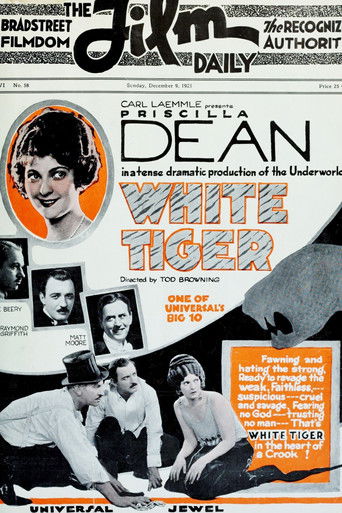
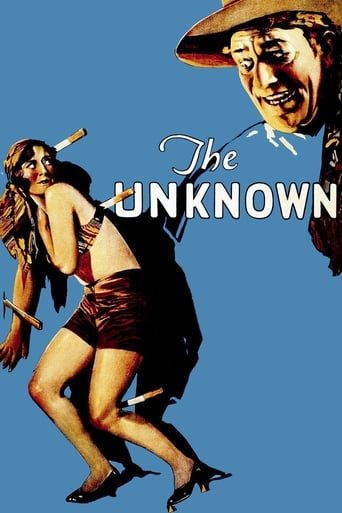

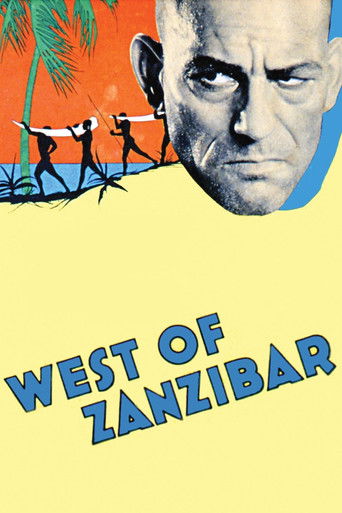
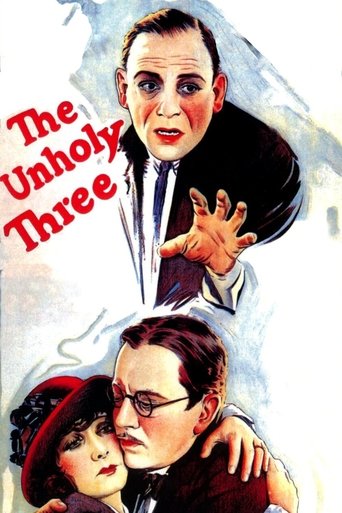
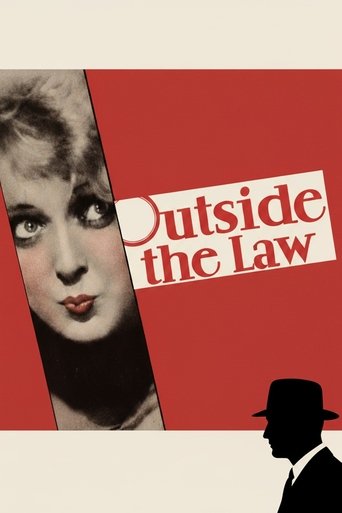
About Tod Browning
American film director, writer, actor, and former vaudevillian: work helped define the dark, eerie side of early Hollywood. Born Charles Albert Browning Jr. In Louisville, Kentucky, he ran away from home as a teenager and spent years in traveling shows, circuses, and vaudeville, experiences that later shaped his fascination with sideshow performers, outsiders, and the macabre. He entered motion pictures first as an actor and writer in the silent era before becoming a director in the 1910s, and he quickly developed a reputation for atmospheric crime melodramas and melodramatic thrillers. Browning became distinctive directors of the late silent and early sound periods, directing major Lon Chaney vehicles and creating unforgettable horror cinema with films such as The Unholy Three, The Unknown, and especially Dracula. His 1931 film Freaks remains controversial and culturally discussed motion pictures in film history, and it solidified his reputation as a filmmaker of taboo subjects, carnival imagery, and social outsiders. Although his career declined after the early 1930s, Browning left a lasting imprint on horror and genre cinema through his uncanny visual imagination and his willingness to center marginalized characters. His films are now regarded as essential works of early Hollywood expression, blending empathy, melodrama, grotesquerie, and surprise in ways that influenced generations of filmmakers.
The Craft
Behind the Camera
Browning's directing style is marked by atmospheric suspense, taboo subjects, strong use of shadows and visual symbolism, and a fascination with performers who live outside conventional society. He often combined melodrama, horror, and crime elements, creating films that feel both emotionally heightened and strangely intimate. His work frequently emphasizes carnival and circus spaces, secret identities, deformity, trickery, and social marginalization, while maintaining a strong undercurrent of sympathy for people other films treated as curiosities. Even in mainstream studio productions, Browning favored unsettling mood over polished elegance, and his narratives often move toward shock endings, reversals, or moral unease. His visual approach was less flamboyant than some expressionist contemporaries but deeply effective in creating dread and ambiguity.
Milestones
- Transitioned from vaudeville and stage performance into silent-era filmmaking and began directing in the 1910s
- Established a major creative partnership with Lon Chaney in films such as The Unholy Three and The Unknown
- Directed the landmark horror film Dracula (1931),
- Created Freaks (1932), a controversial and later highly influential cult classic centered on circus performers and marginalized people
- Developed a distinctive reputation for crime melodramas, carnival settings, and psychologically unsettling atmosphere
- Worked at major studios during the transition from silent films to sound, leaving a durable mark on genre cinema
Best Known For
Iconic Roles
Must-See Films
Accolades
Won
- No major competitive awards are widely documented for Tod Browning during his lifetime
Nominated
- No major award nominations are widely documented
Special Recognition
- Recognized posthumously as
- The long-term cult reputation of Freaks has earned Browning a major place in film-history canon lists and retrospectives
Working Relationships
Worked Often With
Studios
Why They Matter
Impact on Culture
Tod Browning had a profound impact on horror cinema by proving that fear could emerge from atmosphere, carnival imagery, bodily difference, and psychological unease rather than only from supernatural spectacle. Dracula helped establish the look and tone of the Hollywood horror film in the sound era, while Freaks became. Browning's sympathy for outsiders, circus people, criminals, and performers on society's margins gave his films a human dimension that them from more conventional genre fare. His work also helped create a template for later Gothic and carnival-based horror, from mid-century monster movies to modern cult cinema, because it made the uncanny feel rooted in social reality. In retrospect, his films are central to discussions of censorship, exploitation, empathy, and the boundary between commercial entertainment and artistic provocation.
Lasting Legacy
Browning's legacy rests on his status as one of the key architects of early horror and one of classic Hollywood's most singular stylists. While he was once partly overshadowed by more commercially celebrated directors, film historians now place him among the essential auteurs of the silent and early sound eras because his films are so immediately recognizable in mood and subject matter. Freaks in particular has become an enduring reference point in discussions of outsider representation, cult film reception, and the ethics of spectacle, and Dracula remains a foundational horror title routinely revisited in film scholarship and popular culture. His body of work continues to be restored, screened, and analyzed because it captures both the fascination and the anxieties of early twentieth-century American entertainment. Browning's name is now inseparable from the idea that horror can be simultaneously cruel, compassionate, and socially revealing.
Who They Inspired
Browning influenced later horror directors by demonstrating how to use mise-en-scène, performance, and taboo imagery to create dread without relying on constant action. Filmmakers working in Gothic horror, cult cinema, and outsider-centered storytelling have drawn inspiration from his ability to turn marginal spaces like circuses, carnival tents, and back rooms into emotionally charged settings. His emphasis on sympathetic grotesques and unstable identities can be seen in later horror traditions that blur the line between victim, monster, and performer. The visual and thematic legacy of Freaks is especially evident in films and television that portray circus worlds, body horror, and social otherness with both shock and compassion.
Off Screen
Browning came from a respected Louisville family but left home young to pursue show business, an experience that deeply shaped both his worldview and his films. Before becoming a director, he spent years in circus and vaudeville life, and those communities became central to his artistic imagination. He married actress Alice Ike around 1909, and the marriage ended in divorce; later, he married his longtime companion and former actress Edna Tichenor, though details of their private life are comparatively sparse in standard film histories. Browning lived a relatively private life in later years and, after his career waned, spent much of his final decades away from the center of Hollywood attention. He did not maintain a public celebrity profile in the way some of his contemporaries did, and much of what is known about him comes from film scholarship and studio-era records rather than autobiographical sources.
Education
Formal education is not prominently documented in standard film histories; Browning is best known for his practical education in vaudeville, circus, and stage entertainment rather than academic training.
Family
- Alice Ike (c. 1909-1913, divorced)
- Edna Tichenor (later marriage; dates not consistently documented)
Did You Know?
- Before entering film, Browning worked in vaudeville and even appeared as a living corpse in a stage act, an experience that foreshadowed his later fascination with macabre imagery.
- He was closely associated with Lon Chaney, often described as.
- Freaks was so controversial that it was heavily cut and banned in some places, contributing to Browning's professional decline.
- Despite being best known for horror, he also directed crime dramas and melodramas, showing a much broader silent-era range than many casual viewers expect.
- Dracula was a major early sound success, but Browning's career did not continue at the same level afterward.
- His films often return to circus, carnival, or sideshow settings, reflecting his own early life in entertainment.
- He is one of the few classic Hollywood directors whose reputation has grown substantially after the end of his career rather than during its peak.
- Browning's life and work are frequently discussed in relation to themes of outsider identity and the spectacle of difference.
In Their Own Words
I do not have any reliably documented direct quotes from Tod Browning that are widely authenticated in standard film references.
Frequently Asked Questions
Who was Tod Browning?
American on YTB.my. He is especially remembered for Dracula and Freaks, two of the most discussed titles in classic cinema.
What films is Tod Browning best known for?
Titles linked here include The Unholy Three (1925), The Unknown (1927).
When was Tod Browning born and when did he die?
Born July 12, 1880; died October 6, 1962.
What awards did Tod Browning win?
No major competitive awards are widely documented for Browning during his lifetime. His lasting recognition comes from his critical reputation and the enduring historical importance of his films.
What was Tod Browning's directing style?
Browning's directing style emphasized mood, taboo material, and the emotional lives of outsiders and performers on society's margins. He favored atmospheric storytelling, striking visual situations, and a blend of melodrama, horror, and social unease.
Why is Tod Browning important in film history?
He helped define the look and feel of early Hollywood horror and made some of the most culturally significant films about outsiders in American cinema. His work, especially Freaks, continues to influence horror filmmakers, cult audiences, and film scholars.