

Drifting
"Shanghai, an American girl who helps runs an opium ring"
Keys: Space play/pause · ←/→ 10s · F fullscreen · M mute · </> speed
About this film
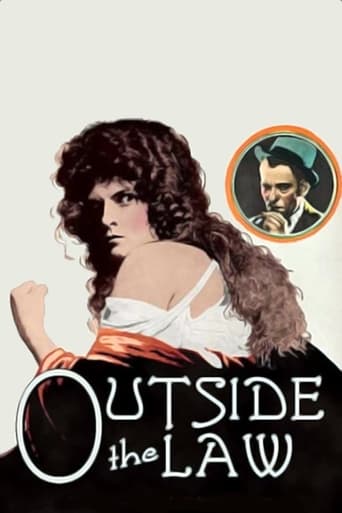
In Shanghai, an American girl who helps runs an opium ring meets an American agent disguised as a mining engineer. The two fall in love, and she has to determine where her loyalties lie.
Cast & crew
More films like this
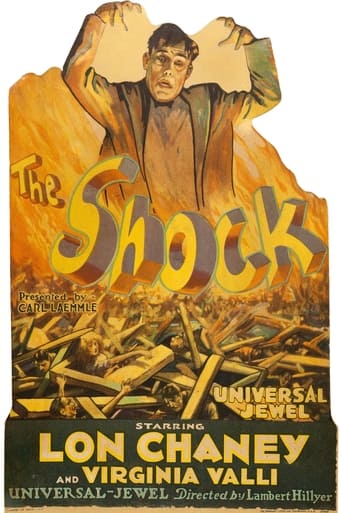
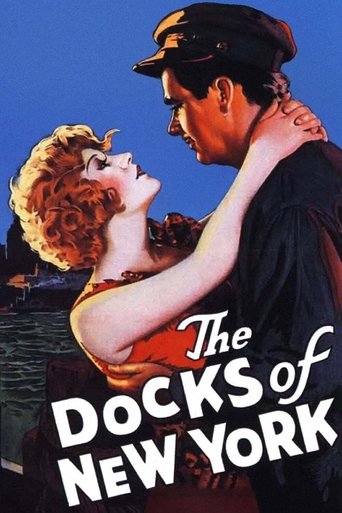
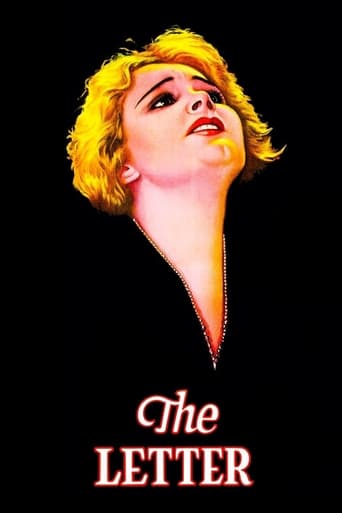
More Drama films
View all →







More from Tod Browning
View all →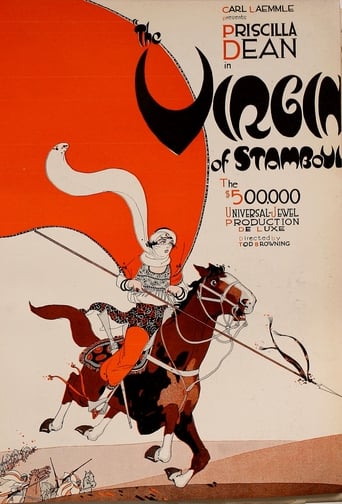



More about this film
About the production
Release dateNovember 12, 1923
Box officeUnknown - but was considered a commercial success for Universal and helped establish Priscilla Dean as a major star
ProductionUniversal Pictures Corporation
Filmed inUniversal Studios, Universal City, California, Some location work in Los Angeles' Chinatown district
The picture featured elaborate studio sets designed to recreate Shanghai's exotic atmosphere. Universal invested significantly in authentic Chinese props, costumes, and set decorations to create an immersive Oriental environment. The opium den scenes were particularly detailed and controversial for their time. Production took approximately 6-8 weeks, which was standard for major Universal features of the era.
Themes
Redemption through loveCultural conflict and assimilationThe moral ambiguity of criminal lifeEast-West cultural dynamicsFemale agency and independence
Themes & topics
Shanghaiopium denundercover agentcrime ringforbidden lovemoral dilemmaOrientalismmelodramaredemptionexotic settinginternational crimecultural clash
Historical background
Drifting (1923) reached audiences through Universal Pictures Corporation in United States, when exhibitors still built programs from varied shorts and features rather than single-block bookings.
Why this film matters
Programmers and historians revisit Drifting (1923) because its story—in shanghai, an american girl who helps runs an opium ring meets an american agent disguised as a mining engineer—illustrates popular narrative habits and production norms of the period.
Making of
The production of 'Drifting' represented Universal Pictures' commitment to creating sophisticated melodramas that could compete with major studios like Paramount and MGM. Director Tod Browning, who had experience with crime and underworld themes, brought his characteristic dark, atmospheric style to the Oriental setting. The studio invested heavily in creating authentic-looking Shanghai sets, complete with detailed opium dens, Chinese architecture, and street scenes. Priscilla Dean, Universal's biggest female star at the time, underwent extensive costume fittings to achieve the right look for her character as the sophisticated yet conflicted 'White Butterfly.' The chemistry between Dean and Matt Moore was so genuine that it led to their real-life marriage shortly after the picture's completion. The production faced some challenges with censorship boards due to its depiction of drug use and criminal activity, requiring some scenes to be toned down for certain markets.
What critics said
English-language trade reviews of Drifting are limited for 1923. Where notices survive, they stress pacing and photographic clarity; later criticism values the title as archival evidence of studio style.
Did you know?
- This was one of several collaborations between director Tod Browning and star Priscilla Dean, who was Universal's top female star in the early 1920s
- the picture was part of Universal's successful 'exotic melodrama' genre that capitalized on Western fascination with Oriental settings and themes
- Matt Moore and Priscilla Dean were married in real life from 1924-1929, though they met during the production of
- The opium den scenes were considered quite daring for 1923 and faced some censorship challenges in certain markets
- Director Tod Browning would later become famous for his work with Lon Chaney and for directing 'Freaks' (1932) and 'Dracula' (1931)
- the picture's success led to a sequel 'The Dangerous Age' (1923), also starring Dean and directed by Browning
- Universal used the picture's exotic Shanghai setting as a major marketing point, emphasizing the 'dangerous' and 'mysterious' Orient in promotional materials
- the picture was one of the first to depict the international drug trade as a major criminal enterprise
- Rose Dione, who played Ling Jo, was a Russian-born actress who specialized in exotic roles in silent films
- The original story was written by Elliott J. Clawson, who would later become an Academy Award-winning screenwriter
Awards & recognition
- No major awards were given for in 1923, as the first Academy Awards weren't presented until 1929
Visual style
The cinematography by Virgil Miller employed dramatic lighting techniques to enhance the picture's mysterious atmosphere, particularly in the opium den scenes where shadows and smoke created an exotic, dangerous ambiance. Miller used soft focus techniques for romantic scenes between Dean and Moore, contrasting with the sharp, clear photography of action sequences. the picture featured several impressive tracking shots through the elaborate Shanghai street sets, showcasing Universal's production capabilities. The cinematography emphasized the contrast between the opulent, decadent world of the criminals and the more straightforward world of the American agent. Visual storytelling was particularly important in conveying the exotic setting, with careful attention paid to composition and framing to create the illusion of Shanghai.
Innovations
While not groundbreaking in technical terms, 'Drifting' showcased Universal's growing expertise in creating elaborate studio sets that could convincingly recreate exotic locations. the picture's production design represented a high level of craftsmanship for its time, with detailed opium dens, Chinese architecture, and street scenes that enhanced the picture's authenticity. The use of smoke and lighting effects to create atmosphere in the opium den scenes was particularly effective for the era. the picture also demonstrated Universal's ability to produce sophisticated melodramas that could compete with the output of larger studios like Paramount and MGM.
Music
As a silent film, 'Drifting' would have been accompanied by live musical performance in theaters. Universal provided a comprehensive musical cue sheet for theater orchestras, suggesting appropriate music for each scene. The score likely incorporated popular Oriental-themed compositions of the era, along with standard dramatic and romantic cues. Major theaters might have used full orchestras while smaller venues relied on piano or organ accompaniment. The music would have emphasized the exotic setting through the use of pentatonic scales and Oriental-sounding motifs, while traditional Western music underscored the romantic elements between the American characters.
Famous quotes
In Shanghai, even the shadows have secrets" - Opening title card
You call this drifting? I call it drowning" - Cassie Cook to Philip Curtis
Love is the one currency that's never counterfeit" - Philip Curtis
In the East, a woman's heart is the most dangerous territory of all" - General Ling Jo
Memorable scenes
- The atmospheric introduction to the opium den, with its swirling smoke and mysterious patrons establishing the picture's exotic, dangerous world
- The tense first meeting between Cassie and Philip in the opium den, where their attraction is immediate despite their opposing roles
- The dramatic confrontation scene where Cassie must choose between loyalty to Ling Jo and her love for Philip
- The climactic raid on the opium den, combining action, romance, and moral resolution
What audiences thought
the picture was well-received by audiences upon its release, particularly fans of Priscilla Dean who had become one of Universal's most popular stars. The exotic Shanghai setting and melodramatic plot appealed to 1920s audiences seeking escapism and adventure. The combination of romance, crime, and exotic locations proved to be a winning formula at the box office. Audience reaction was especially positive toward the chemistry between Dean and Moore, which felt genuine to viewers. the picture's success led to increased demand for similar exotic melodramas and helped establish the Oriental crime genre as a profitable subcategory of silent cinema. Contemporary newspaper reviews indicated that audiences found the picture exciting and visually impressive, with many praising its authentic-looking sets and costumes.
Film connections
Influenced by
- D.W. Griffith's 'Broken Blossoms' (1919) for its Oriental setting and melodramatic elements
- Contemporary popular fiction about the Orient and international crime
- The growing public fascination with Shanghai as an exotic, dangerous city
This film influenced
- 'Shanghai Express' (1932) with its similar Shanghai setting and romantic intrigue
- Later films featuring Asian settings and crime themes throughout the 1930s
- Universal's subsequent exotic melodramas starring Priscilla Dean
Film restoration
the picture survives in complete form and has been preserved by major film archives. Prints are held at the Library of Congress, the UCLA Film and Television Archive, and other institutions. the picture has been released on DVD by several specialty labels, though quality varies depending on source material. Some deterioration is evident in available copies, but the picture is considered to be in relatively good condition for a silent feature of its age. No complete restoration project has been undertaken recently, but the picture remains accessible to scholars and enthusiasts through archival screenings and home video releases.
Where to watch
- Available on DVD from Kino Lorber and other specialty distributors
- Can be streamed on some classic film subscription services
- Occasionally screened at film festivals and silent film revival events
- Available through some university film archives and libraries
- May be found on public domain streaming sites, though quality varies