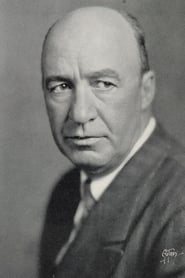
J. Farrell MacDonald
Actor & Director
Born: June 14, 1875 in Waterbury, Connecticut, USA Died: August 2, 1952 Active: 1911-1942 Birth Name: John Farrell MacDonald
Films
16 films
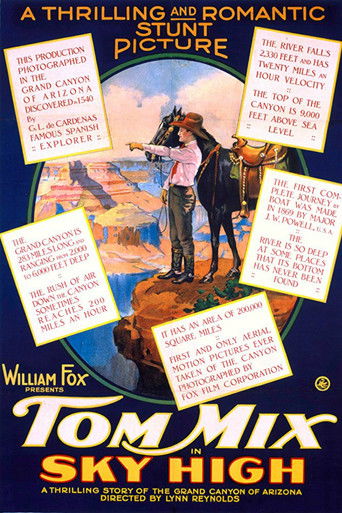
Sky High
1922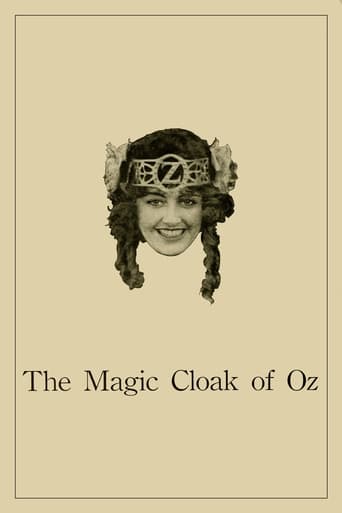
The Magic Cloak of Oz
1914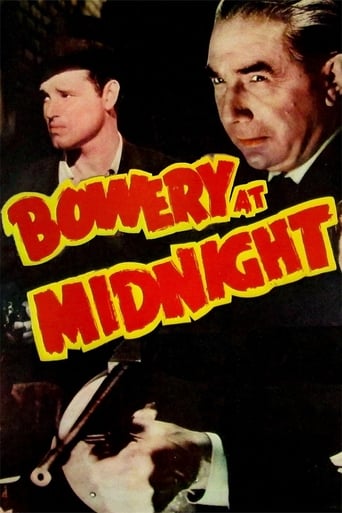
Bowery at Midnight
1942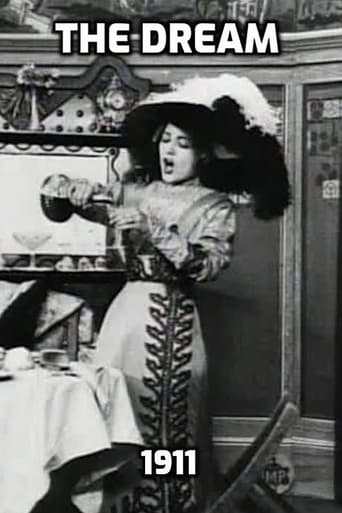
The Dream
1911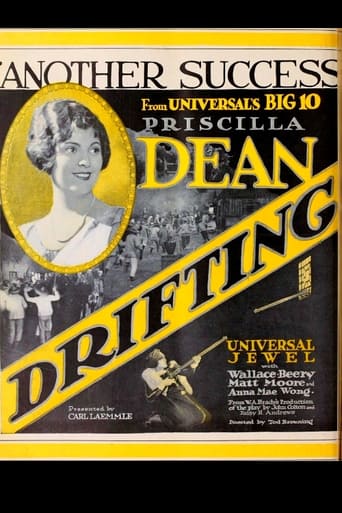
Drifting
1923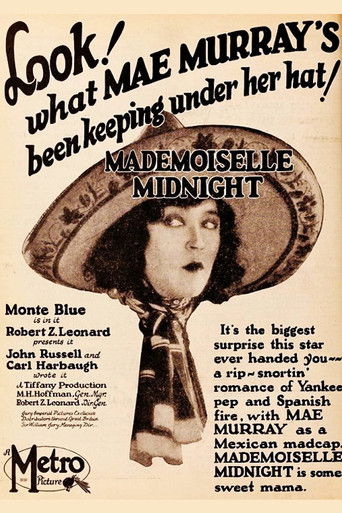
Mademoiselle Midnight
1924
The Patchwork Girl of Oz
1914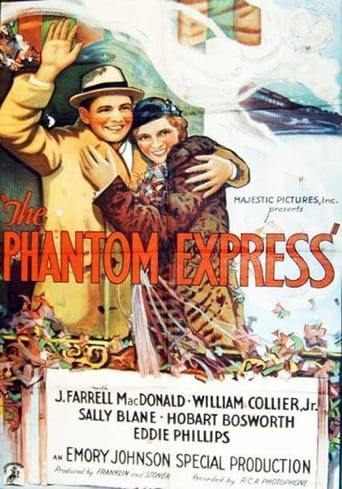
The Phantom Express
1932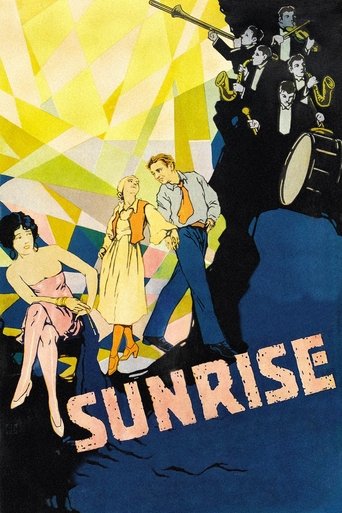
Sunrise: A Song of Two Humans
1927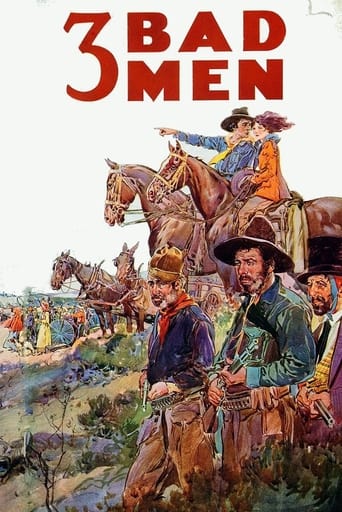
3 Bad Men
1926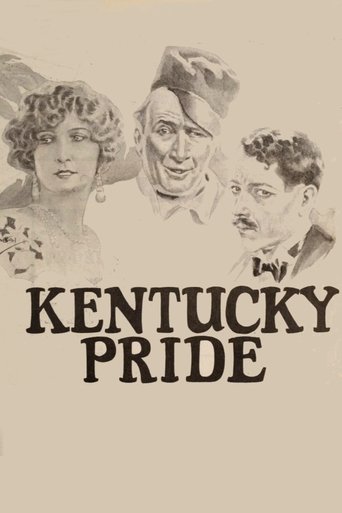
Kentucky Pride
1925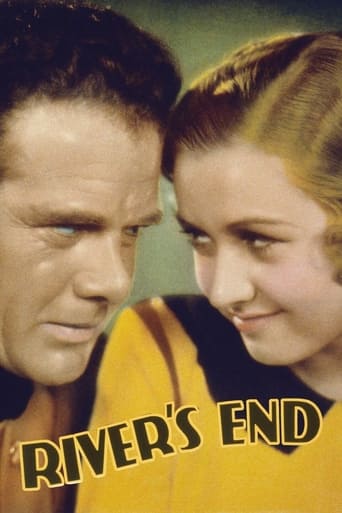
River's End
1930
East Side, West Side
1927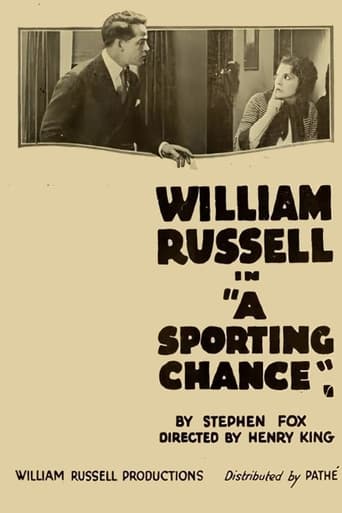
A Sporting Chance
1919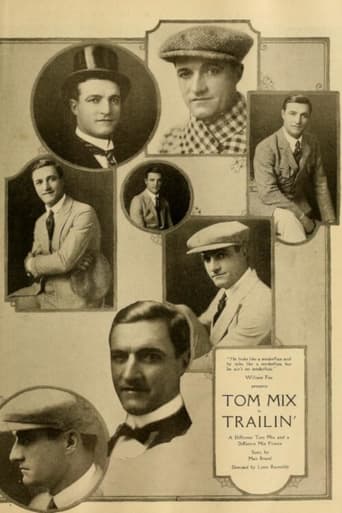
Trailin'
1921About J. Farrell MacDonald
John Farrell MacDonald — prolific American character actor and occasional director who became recognizable faces in Hollywood during the silent era and early sound period. After beginning his career in vaudeville, he transitioned to films in 1911 and would go on to appear in over 300 movies by the time of his retirement in 1942. MacDonald specialized in portraying authority figures such as police chiefs, sheriffs, judges, and military officers, his burly frame and commanding presence making him the perfect choice for these roles. He also directed several films in the 1910s, most notably two early adaptations of L. Frank Baum's Oz books. MacDonald enjoyed a particularly fruitful collaboration with director John Ford, appearing in at least 25 of Ford's films including classics like 'The Iron Horse,' 'Stagecoach,' and 'The Grapes of Wrath.' His successful transition from silent films to talkies demonstrated his versatility and adaptability as a performer, and he remained a steady presence in Hollywood until his retirement in the early 1940s.
The Craft
On Screen
MacDonald was known for his straightforward, authentic approach to acting with a distinctive burly presence and commanding voice. His natural authority and gravitas made him the perfect choice for police chiefs, sheriffs, judges, and military officers. He brought credibility and reliability to every role, often serving as the moral center or figure of authority in the films he appeared in.
Behind the Camera
As a director, MacDonald showed imagination and visual flair, particularly in his fantasy films. His work on the Oz adaptations demonstrated an ability to create magical worlds with limited resources, focusing on visual storytelling and inventive special effects for the time period.
Milestones
- Appeared in over 300 films during his 31-year career
- Directed two early Oz films in 1914
- Frequent collaborator with director John Ford in at least 25 films
- Successfully transitioned from silent films to talkies
- Became typecast as the quintessential authority figure in Hollywood
Best Known For
Iconic Roles
Must-See Films
Accolades
Special Recognition
- Recognized by film historians as one of Hollywood's most prolific character actors
- Remembered for his significant contributions to John Ford's classic films
Working Relationships
Worked Often With
Studios
Why They Matter
Impact on Culture
J. Farrell MacDonald's impact on American cinema was significant though often understated. As. His work with John Ford was particularly influential, contributing to the visual language and character dynamics that defined the Western genre. MacDonald's ability to convey authority and reliability made him an essential supporting player in countless films that are now considered classics. His successful transition from silent films to talkies demonstrated the adaptability required of actors during this pivotal period in cinema history.
Lasting Legacy
MacDonald's legacy lives on through the more than 300 films in which he appeared, many of which are now regarded as classics of American cinema. His collaborations with John Ford, in particular, continue to be studied and admired by film scholars and enthusiasts. As a character actor who rarely received top billing but was consistently reliable, MacDonald represents the unsung heroes of Hollywood's Golden Age. His work in the early Oz films also preserves an important chapter in fantasy film history, predating the famous 1939 adaptation. Today, film historians recognize MacDonald as.
Who They Inspired
While MacDonald did not have formal protégés, his work influenced subsequent generations of character actors who specialized in authority figures. His naturalistic yet commanding style set a standard for supporting roles in American cinema. His ability to bring credibility to authority roles without overacting demonstrated the power of restraint in character acting. The trust directors like John Ford placed in him showed the value of reliable character actors in building a film's foundation and supporting star performances.
Off Screen
John Farrell MacDonald married Edith Bostwick in 1906, and their marriage lasted until her death in 1942. He retired from acting in the same year his wife passed away, suggesting the personal impact of her loss on his career. MacDonald lived in Hollywood during his film career and remained there until his death in 1952 at the age of 77.
Education
No formal education information is available, though his early career in vaudeville suggests performance training through practical experience
Family
- Edith Bostwick (1906-1942)
Did You Know?
- Appeared in more than 300 films during his career
- Directed two of the earliest Oz films before the famous 1939 version
- Was a frequent collaborator with director John Ford, appearing in at least 25 of his films
- Began his career in vaudeville before transitioning to films
- Was often typecast as a police chief, sheriff, or judge due to his authoritative presence
- Despite his prolific career, he rarely received top billing
- Successfully made the transition from silent films to talkies
- Retired from acting in 1942, the same year his wife died
- His full name was John Farrell MacDonald
- Was known for his burly frame and distinctive commanding voice
Frequently Asked Questions
Who was J. Farrell MacDonald?
Prolific American character actor and occasional on YTB.my. He appeared in over 300 films between 1911 and 1942, often playing authority figures such as police chiefs, sheriffs, and judges. He was particularly known for his frequent collaborations with director John Ford.
What films is J. Farrell MacDonald best known for?
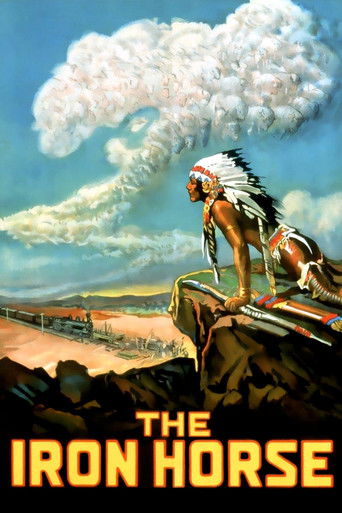
Titles linked here include The Iron Horse (1924), Stagecoach (1939).
When was J. Farrell MacDonald born and when did he die?
Born June 14, 1875; died August 2, 1952.
What awards did J. Farrell MacDonald win?
While J. Farrell MacDonald did not receive major formal awards during his career, he was recognized as one of Hollywood's most reliable character actors. His contributions to classic American cinema, particularly his work with John Ford, have been acknowledged by film historians and critics.
What was J. Farrell MacDonald's acting style?
MacDonald was known for his distinctive burly presence and commanding voice, which made him perfect for authority figures. His acting style was straightforward and authentic, bringing credibility to his roles as police chiefs, sheriffs, and judges. He successfully transitioned from silent films to talkies, demonstrating his versatility as a performer.
How many films did J. Farrell MacDonald appear in?
J. Farrell MacDonald appeared in more than 300 films during his career spanning from 1911 to 1942. This remarkable output made him.
Did J. Farrell MacDonald work with John Ford?
Yes, MacDonald — frequent collaborator with director John Ford, appearing in at least 25 of Ford's films. Their partnership included some of Ford's most celebrated works such as 'The Iron Horse,' 'Stagecoach,' 'Young Mr. Lincoln,' and 'The Grapes of Wrath.'
What was J. Farrell MacDonald's connection to Oz films?
MacDonald directed two early Oz films: 'The Magic Cloak of Oz' (1914) and 'The Patchwork Girl of Oz' (1914). These were produced by L. Frank Baum's own film company and predate the famous 1939 MGM adaptation of 'The Wizard of Oz.'