Kentucky Pride
"Kentucky Pride (1925)"
Keys: Space play/pause · ←/→ 10s · F fullscreen · M mute · </> speed
About this film
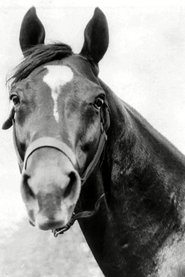
This rare John Ford silent is a charming, sweetly sentimental tale of the relationship between humans and animals told largely from the point of view of a racehorse who observes as her breeder (Henry B. Walthall) is forced to sell her when he loses everything in a poker game. Several of the era’s most famous racehorses make appearances, including the legendary champion thoroughbred Man o’ War.
Cast & crew
More films like this
More Drama films
View all →







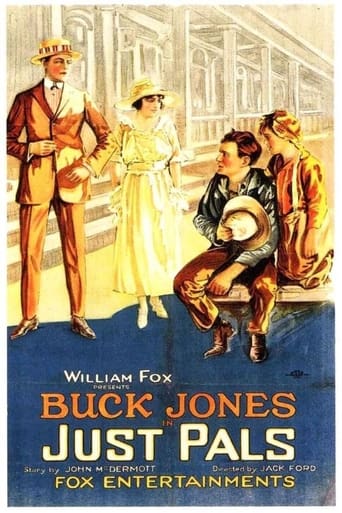
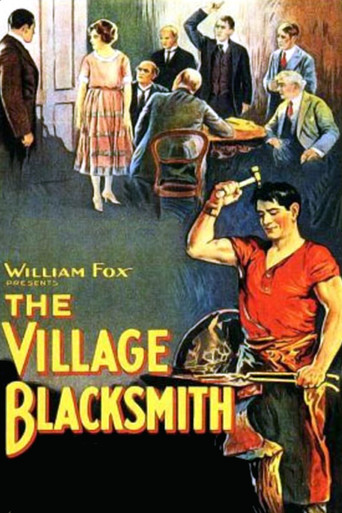
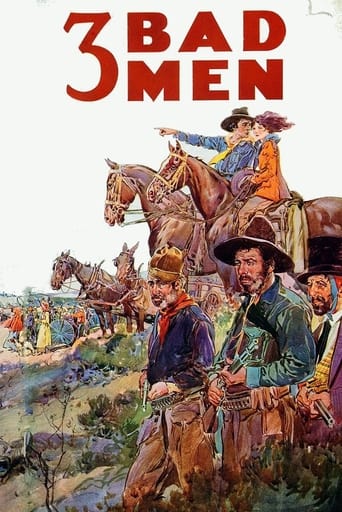
More from John Ford
View all →

More about this film
About the production
Release dateNovember 1, 1925
Box officeUnknown - but reported to have performed moderately well during its theatrical run
ProductionFox Film Corporation
Filmed inLexington, Kentucky, Churchill Downs, Louisville, Kentucky, Fox Studios, Hollywood, California
The film featured real thoroughbred racehorses, including the Man o' War, who appeared in several racing sequences. Director John Ford, who had a lifelong love of horses, insisted on authentic racing footage and spent considerable time at Kentucky horse farms researching the subject. The production faced challenges coordinating the racing scenes with actual thoroughbreds, requiring extensive planning and multiple takes to capture the desired footage.
Themes
Loyalty between humans and animalsRedemption through adversityThe corrupting influence of gamblingFamily bondsThe nobility of sport
Themes & topics
horse racingthoroughbredKentuckybreederpoker gameredemptionfamily dramasilent filmMan o' Waranimal perspective
Historical background
Kentucky Pride (1925) emerged during late silent cinema and the transition toward sound, when exhibition habits and national film industries were still taking shape.
Why this film matters
Kentucky Pride remains accessible through digital archives, giving modern viewers a direct link to 1925 screen culture.
Making of
John Ford, who grew up with horses in Maine, brought personal passion to this project. He spent weeks at Kentucky horse farms studying horse behavior and racing culture. The production used innovative techniques to suggest the horse's perspective, including low camera angles and point-of-view shots. The racing sequences required extensive coordination with professional jockeys and horse handlers. Ford insisted on using real thoroughbreds rather than trained movie horses for authenticity. The poker game scenes were filmed with real card players as extras to add realism to the high-stakes atmosphere. The film's emotional core was enhanced by Ford's decision to focus on the relationship between man and animal, a theme he would revisit throughout his career.
What critics said
Trade and revival screenings have kept Kentucky Pride (1925) on the map for collectors and scholars rather than mass first-run promotion.
Did you know?
- Man o' War, one of the greatest racehorses in history, makes a cameo appearance in the film despite having retired from racing in 1920
- This was one of John Ford's earliest films to explore themes of loyalty and redemption that would become hallmarks of his later work
- The horse's perspective was achieved through innovative camera angles and editing techniques unusual for the time
- Henry B. Walthall, who plays the breeder, was a veteran of D.W. Griffith's films and had previously starred in 'The Birth of a Nation'
- The film was one of the first to use intertitles from the horse's 'point of view', a novel narrative device for silent cinema
- Real Kentucky horse farm owners served as technical advisors to ensure authenticity
- The racing sequences were filmed at Churchill Downs using actual jockeys and race conditions
- Gertrude Astor, who plays the daughter, was one of the few actresses who successfully transitioned from silent to sound films
- The film's original negative was lost in the 1937 Fox vault fire, but copies survived in European archives
- John Ford considered this one of his personal favorites among his silent films due to his love of horses
Awards & recognition
- No major awards were recorded for this film
Visual style
The cinematography by George Schneiderman featured innovative low-angle shots to simulate the horse's point of view, a technique unusual for 1925. The racing sequences employed multiple cameras and careful editing to create dynamic action scenes. The film made effective use of natural light in outdoor scenes at Kentucky locations, creating authentic atmosphere. Schneiderman's work demonstrated the growing sophistication of silent film cinematography, with careful attention to composition and movement that enhanced the emotional storytelling.
Innovations
The film pioneered techniques for filming horse races that would influence later sports films. Its use of multiple cameras and strategic placement to capture racing action was advanced for its time. The innovative point-of-view shots suggesting the horse's perspective represented a creative solution to the challenge of telling a story from an animal's viewpoint in silent cinema. The seamless integration of real racehorses, including Man o' War, with fictional narrative was a significant technical accomplishment.
Music
As a silent film, Kentucky Pride would have been accompanied by live musical performance during its theatrical run. The original score was likely composed for theater orchestras and would have featured popular songs of the era along with classical pieces appropriate to the dramatic and racing scenes. Modern restorations have been accompanied by newly composed scores that attempt to capture the spirit of 1920s silent film music while enhancing the emotional impact of key scenes.
Famous quotes
A horse never forgets a kindness, nor does she forget a wrong
In Kentucky, a man's word is as good as his horse's speed
Fortune comes and goes, but a good horse is forever
The pride of Kentucky isn't in its whiskey, but in its thoroughbreds
Memorable scenes
- The opening sequence showing the birth and early days of Virginia's Pride
- The tense poker game where Beaumont loses his fortune
- The emotional farewell between Beaumont and his horse
- The climactic race sequence with multiple camera angles
- The reunion scene where the horse recognizes her original owner
What audiences thought
The film was well-received by audiences in 1925, particularly those interested in horse racing and animal stories. Its family-friendly content and emotional resonance made it popular with general audiences. Modern audiences who have seen restored versions have responded positively to its timeless themes of loyalty and redemption, though some find the sentimentality typical of the era somewhat dated by contemporary standards.
Film connections
Influenced by
- D.W. Griffith's narrative techniques
- Contemporary horse racing films
- Victorian animal stories
- American pastoral literary tradition
This film influenced
- National Velvet (1944)
- The Black Stallion (1979)
- Seabiscuit (2003)
- Secretariat (2010)
- Ford's later Westerns featuring horses
Film restoration
The film was considered partially lost for decades after the 1937 Fox vault fire destroyed the original negative. However, complete copies were discovered in European archives and have since been preserved by the Museum of Modern Art and the Library of Congress. Restored versions are available, though some quality degradation is evident due to the age of surviving elements.
Where to watch
- Available on DVD from specialty silent film distributors
- Streaming on The Criterion Channel
- Occasionally screened at film festivals specializing in silent cinema
- Available through some university film archives
- Can be viewed at the Library of Congress Packard Campus for Audio-Visual Conservation