
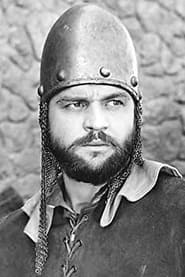
Malcolm Waite
Actor
Born: May 30, 1892 in Menominee, Michigan, USA Died: April 18, 1949 Active: 1924-1927
Films
6 films
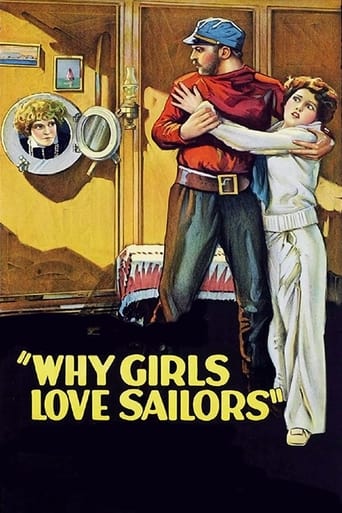
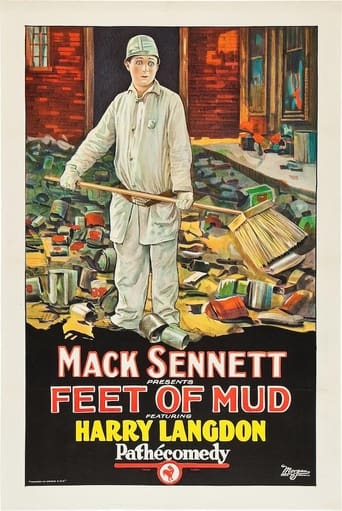
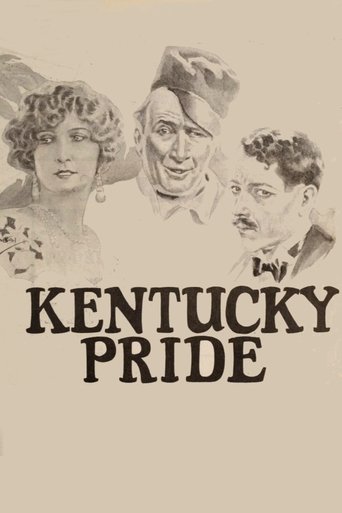
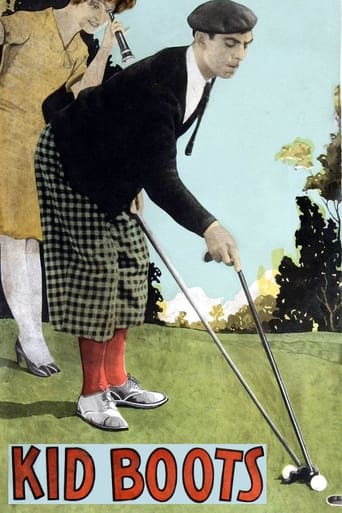
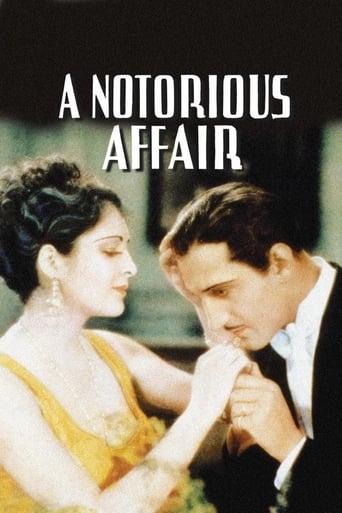
About Malcolm Waite
Malcolm Waite worked on one surviving credit: Kentucky Pride (1925). He began his film career in 1924 and quickly found work in Hollywood's bustling studio system, often being cast as villains or antagonists due to his tall, muscular build and stern facial features. His most significant role came in 1925 when Charlie Chaplin cast him as 'Big Jim' in the classic comedy 'The Gold Rush,' films of the silent era. Waite also worked with acclaimed director John Ford in 'Kentucky Pride' (1925) and appeared in several comedies alongside popular stars of the period. His career was relatively brief, spanning only from 1924 to 1927, which was not uncommon for many supporting actors of the silent era who struggled to make the transition to sound films. After his acting career ended, Waite largely disappeared from public view, with little information available about his later life, suggesting he may have left the entertainment industry entirely to pursue other ventures.
The Craft
On Screen
Malcolm Waite was known for his physical presence and ability to portray intimidating characters, often playing antagonists or villains in silent films. His tall, imposing stature at 6'2" made him a natural choice for roles that required physical dominance or threat. In the silent era, where expression through body language and facial features was crucial, Waite developed a distinctive screen presence that could convey menace or authority without dialogue. His performance style was typical of character actors of the era, relying heavily on exaggerated gestures and facial expressions appropriate for silent film acting. He had a particular talent for physical comedy, which he demonstrated effectively in his scenes with Charlie Chaplin.
Milestones
- Appearing as 'Big Jim' in Charlie Chaplin's The Gold Rush (1925)
- Working with director John Ford on Kentucky Pride (1925)
- Establishing himself as a reliable character actor in silent films
- Appearing in multiple films during the peak of the silent era
- Playing memorable villain roles opposite major silent film stars
Best Known For
Iconic Roles
Must-See Films
Working Relationships
Worked Often With
Studios
Why They Matter
Impact on Culture
Malcolm Waite's cultural impact is primarily tied to his memorable performance in Charlie Chaplin's 'The Gold Rush' (1925), which is consistently ranked among the greatest films ever made. As 'Big Jim' in this classic comedy, Waite contributed to. While not a major star, Waite represents the essential supporting actors who populated silent films and helped create the Hollywood's golden age. His work with Chaplin and Ford places him within the circle of filmmakers who were defining cinema as an art form during the 1920s. Though his career was brief, his contribution to one of cinema's most celebrated films ensures his place in film history, and his performances continue to be studied by silent film enthusiasts and scholars.
Lasting Legacy
Malcolm Waite's legacy is that of a reliable character actor from the silent era who contributed to several significant films, most notably Charlie Chaplin's masterpiece 'The Gold Rush.' While he never achieved stardom status, his performances helped elevate the films in which he appeared, providing the necessary contrast to the leading actors. His career trajectory—brief but impactful during the peak years of silent cinema—is representative of many actors of his generation who thrived in one medium but could not adapt to the coming of sound. Today, film scholars and silent cinema enthusiasts recognize him as part of the ensemble that made silent films so memorable, even if his name is not widely known to general audiences. His work serves as a reminder of the many talented supporting actors who were essential to the success of classic films but have been largely forgotten by time.
Who They Inspired
As a supporting actor, Malcolm Waite's direct influence on other performers or filmmakers is difficult to trace, as character actors of his era rarely received credit for mentoring or influencing others in the industry. However, his work in 'The Gold Rush' contributed to the film's lasting impact on comedy and cinema, which in turn influenced generations of filmmakers and performers. His ability to create a believable antagonist in a comedy without relying on dialogue demonstrated the effectiveness of physical comedy and visual storytelling, techniques that would continue to be important even after the transition to sound films. His performances helped establish archetypes of the heavy or villain that would be emulated in later films, and his work with Chaplin contributed to the development of screen comedy as an art form.
Off Screen
Little detailed information is available about Malcolm Waite's personal life, which was not uncommon for supporting actors of the silent era who did not achieve major stardom. He was born in Menominee, Michigan, and eventually made his way to Hollywood to pursue an acting career during the boom years of silent film production. Like many character actors of his time, he likely struggled with the transition to sound films in the late 1920s, which may explain the abrupt end to his film career by 1927. After leaving the film industry, he appears to have lived a relatively private life away from the public eye, reportedly working in real estate. He was married to Margaret Waite from 1922 until his death in 1949.
Family
- Margaret Waite (1922-1949)
Did You Know?
- He stood 6'2" tall, which made him an imposing presence on screen
- His most famous role was as Big Jim in Chaplin's The Gold Rush
- He appeared in at least 12 films during his brief career
- Like many silent film actors, his career ended with the transition to sound
- He worked with two of the greatest directors of the era: Chaplin and Ford
- His character in The Gold Rush was originally intended for another actor
- He often played villains or antagonists due to his physical appearance
- After leaving films, he reportedly worked in real estate
- He died relatively young at age 56
- Despite his brief career, he appeared in some of the most celebrated films of the 1920s
- He was married for 27 years to Margaret Waite until his death in 1949
In Their Own Words
No known famous quotes from Malcolm Waite, as was common for supporting actors of the silent era
Frequently Asked Questions
Who was Malcolm Waite?
American with credits in this catalog. He was a character actor who often played villains or antagonists due to his imposing physical presence and tall stature.
What films is Malcolm Waite best known for?
Titles linked here include The Gold Rush (1925), Kentucky Pride (1925).
When was Malcolm Waite born and when did he die?
Born May 30, 1892; died April 18, 1949.
What awards did Malcolm Waite win?
There are no records of Malcolm Waite receiving any major awards or nominations during his brief acting career. This was not uncommon for supporting actors of the silent era, who often worked without formal recognition despite their contributions to significant films.
What was Malcolm Waite's acting style?
Malcolm Waite was known for his physical presence and ability to portray intimidating characters, often playing antagonists in silent films. His tall stature (6'2") made him a natural choice for roles requiring physical dominance. His acting style relied heavily on exaggerated gestures and facial expressions typical of silent film performance.
Why did Malcolm Waite's career end so quickly?
Malcolm Waite's career ended around 1927, likely due to the transition from silent films to talkies. Many character actors of the silent era struggled to adapt to sound films, especially those whose appeal was primarily physical rather than vocal. After leaving acting, he reportedly worked in real estate until his death in 1949.
Did Malcolm Waite work with any famous directors?
Yes, Malcolm Waite worked with two of the most celebrated directors of the silent era. He appeared in Charlie Chaplin's 'The Gold Rush' (1925), which Chaplin wrote, directed, and starred in. He also worked with John Ford in 'Kentucky Pride' (1925), early in Ford's legendary career.
What was Malcolm Waite's role in The Gold Rush?
In 'The Gold Rush,' Malcolm Waite played 'Big Jim,' a prospector who becomes Charlie Chaplin's rival for affection and gold. His character is involved in several memorable sequences, including the famous scene where Chaplin eats his shoe. Waite's imposing presence provided a perfect physical contrast to Chaplin's diminutive Tramp character.