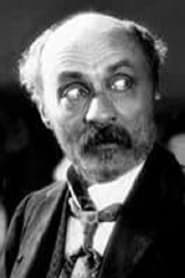
Kid Boots
"Eddie Cantor helps a playboy divorce—and falls."
Keys: Space play/pause · ←/→ 10s · F fullscreen · M mute · </> speed
About this film
A salesman is helped out of a jam with an angry customer by a wealthy playboy. In return, he agrees to help the playboy get a divorce from his wife, only to find himself falling for the girlfriend of the customer who got him in trouble in the first place.
Cast & crew
More films like this

More Comedy films
View all →






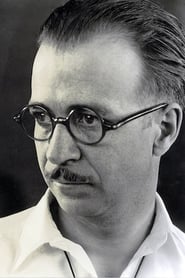
More from Frank Tuttle
View all →
More about this film
About the production
Release dateOctober 3, 1926
Box officeThe film was a commercial success, helping establish Eddie Cantor as a major film star and earning significant profits for Paramount Pictures
ProductionParamount Pictures, Famous Players-Lasky Corporation
Filmed inParamount Studios, Hollywood, Los Angeles, California, Various locations around Los Angeles
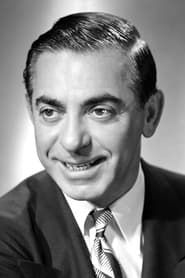
The film was adapted from the popular Broadway musical 'Kid Boots' which had starred Eddie Cantor. While the stage version was a full musical, the film version was made as a silent picture with musical accompaniment. The production faced challenges in translating Cantor's stage comedy style to the screen, requiring adjustments in his performance technique. Director Frank Tuttle worked closely with Cantor to adapt his comedic timing for the camera, resulting in a more restrained but still effective performance style.
Themes
Wealth and class differencesThe American DreamRomantic complicationsConsumer cultureIdentity and self-improvement
Themes & topics
salesmandivorcelove trianglecomedy of errorshigh societymistaken identityromantic comedysilent film1920sshoesplayboychasepartywealthclass conflict
Historical background
Kid Boots (1926) reached screens through Paramount Pictures. Exhibitors of the time built silent-era bills that mixed shorts, features, and live acts, so a clear premise helped Kid Boots travel between cities and exchange markets.
Why this film matters
Archivists and revival programmers still cite Kid Boots (1926) when tracing studio habits, casting pools, and the visual rhetoric audiences once took for granted. Even modest surviving prints help map how Kid Boots fit beside competing releases of its day.
Making of
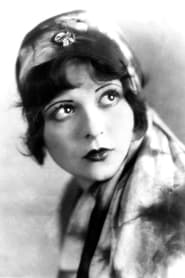
The production of 'Kid Boots' marked a significant transition for Eddie Cantor from Broadway to Hollywood stardom. Director Frank Tuttle, known for his work with comedians, had to adapt Cantor's energetic vaudeville style to the more intimate medium of film. This required Cantor to tone down his exaggerated gestures and facial expressions while maintaining his comedic timing. The film's production team built elaborate sets to recreate the opulent lifestyle depicted in the story, including a luxury hotel ballroom and several high-society homes. Clara Bow, though not yet the superstar she would become, showed remarkable screen presence and chemistry with Cantor, leading to her being cast in more prominent roles in subsequent films. The production faced the typical challenges of silent filmmaking, including the need for actors to convey emotion and story through physical expression alone. The film's success was largely attributed to the careful balance between Cantor's established comedy style and the emerging requirements of cinematic performance.
What critics said
Trade coverage around 1926 discussed Kid Boots for pacing, clarity, and program fit rather than blockbuster grosses. Later writers value it as evidence of period style and as a reference point beside other films from the same era.
Did you know?
- This was Eddie Cantor's second starring film role, following 'The Kid from Spain' and helping establish him as a major film star
- Clara Bow, who would soon become known as 'The It Girl,' was still rising to fame when the production was made
- The original Broadway musical ran for 339 performances from 1923 to 1924
- The film's title character 'Kid Boots' was a nickname Eddie Cantor had earned in his vaudeville days
- Despite being based on a musical, the film version contains no synchronized dialogue or singing, as it was made during the silent era
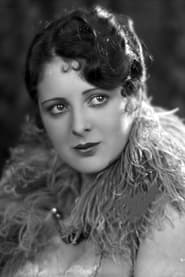
- Billie Dove, who played the wife seeking divorce, was one of the highest-paid actresses of the 1920s
- The film featured several elaborate costume changes for Clara Bow, showcasing the fashion of the Roaring Twenties
- Paramount paid Cantor $100,000 for his role, a substantial sum for the time
- The film's success led to Cantor signing a long-term contract with Paramount
- A young Gary Cooper can be spotted briefly as an extra in one of the party scenes
Awards & recognition
- No major awards were won, as the film industry awards system was not fully established in 1926
Visual style
The cinematography in 'Kid Boots' was handled by James Wong Howe, who would later become one of Hollywood's most celebrated cinematographers. Howe employed the sophisticated visual techniques that had become standard in mid-1920s filmmaking, including careful lighting to highlight the emotional moments and create depth in the compositions. The film features several elaborate tracking shots, particularly during the party and chase sequences, which showcase the technical sophistication of Paramount's camera department. Howe's use of soft focus lighting for the romantic scenes, particularly those involving Clara Bow, helped create the glamorous image that would become her trademark. The cinematography effectively balanced the needs of comedy - clear visibility of physical gags and facial expressions - with the requirements of romantic storytelling, creating a visually appealing and narratively clear presentation.
Innovations
While 'Kid Boots' was not groundbreaking in its technical aspects, it demonstrated the high level of craftsmanship that had become standard in major studio productions by 1926. The film featured several complex sequences requiring precise camera movement and timing, particularly the climactic chase scene. The production utilized advanced lighting techniques to create the glamorous atmosphere of the high-society settings. The film's editing, supervised by director Frank Tuttle, showed sophisticated understanding of rhythm and pacing, particularly in balancing the comedic and romantic elements. The makeup and costume departments achieved notable results in creating the distinctive looks of the 1920s characters, with Clara Bow's wardrobe becoming particularly influential. The film's special effects, while modest by modern standards, were effective for their time and included several trick photography shots that enhanced the comedy sequences.
Music
As a silent film, 'Kid Boots' was originally accompanied by a musical score performed live in theaters. The typical presentation included a full orchestral score compiled from popular classical pieces and original compositions by theater musicians. The music was carefully synchronized with the on-screen action, with upbeat tempos for comedic sequences and romantic themes for the love scenes. Some theaters presented the film with the Vitaphone sound-on-disc system, providing a synchronized musical score and sound effects, though this was not the standard presentation. The original Broadway musical had featured songs by Harry Akst and Lew Brown, but these could not be incorporated into the silent film version. The musical accompaniment was crucial to the film's emotional impact, particularly in conveying the romantic elements and enhancing the comedic timing.
Famous quotes
A good salesman can sell anything to anybody, but a great salesman knows when not to sell at all!
Love is like a pair of shoes - if it doesn't fit perfectly, you'll be miserable all day long!
In high society, the only thing more expensive than money is reputation!
Memorable scenes
- The opening sequence where Eddie Cantor's character attempts to demonstrate shoes to an increasingly irate customer, showcasing Cantor's physical comedy skills
- The elaborate party scene where all the main characters converge, featuring Clara Bow in a stunning flapper dress and beginning the film's central complications
- The climactic chase sequence through multiple locations, combining slapstick comedy with romantic resolution
What audiences thought
Audiences in 1926 enthusiastically received 'Kid Boots,' making it one of the popular hits of the year. The film capitalized on Eddie Cantor's established popularity from vaudeville and Broadway, drawing his existing fan base to theaters. Clara Bow's growing appeal among younger audiences also contributed to the film's success, particularly with the emerging youth culture of the Roaring Twenties. The film's mix of comedy, romance, and glimpses of high society life appealed to a broad cross-section of moviegoers. Contemporary theater reports indicated strong attendance and positive word-of-mouth, with many patrons praising Cantor's comedic timing and Bow's screen presence. The film's success at the box office helped cement both Cantor and Bow as bankable stars, leading to more substantial roles in subsequent productions.
Film connections
Influenced by
- Broadway musical comedy tradition
- Vaudeville performance style
- Earlier silent comedy films of Charlie Chaplin and Buster Keaton
- The romantic comedy genre established by films like 'The Sheik' (1921)
- The sophisticated comedy style of Ernst Lubitsch
This film influenced
- Later Eddie Cantor vehicles such as 'The Kid from Spain' (1932)
- The romantic comedies of the early 1930s that blended comedy with romance
- Films featuring 'average guy' protagonists in high society settings
Film restoration
Kid Boots is preserved in the film archives of major institutions including the Library of Congress and the UCLA Film and Television Archive. While not considered lost, some elements of the original film have deteriorated over time. A restored version has been made available through various preservation efforts, though some scenes show signs of nitrate decomposition. The film exists in its complete form, making it accessible for study and viewing by film enthusiasts and historians.
Where to watch
- The film is available on DVD through various classic film distributors
- Streaming on specialized classic film platforms such as the Criterion Channel
- Available for viewing at film archives and museums with film screening facilities
- Occasionally broadcast on Turner Classic Movies (TCM)
- Digital copies can be found through some public domain film websites, though quality varies