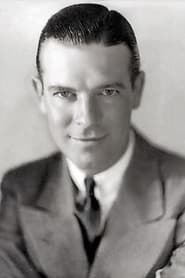
Lawrence Gray
Actor
Born: July 28, 1898 in San Francisco, California, USA Died: February 2, 1970 Active: 1925-1936 Birth Name: Lawrence Patrick Gray
Films
8 films

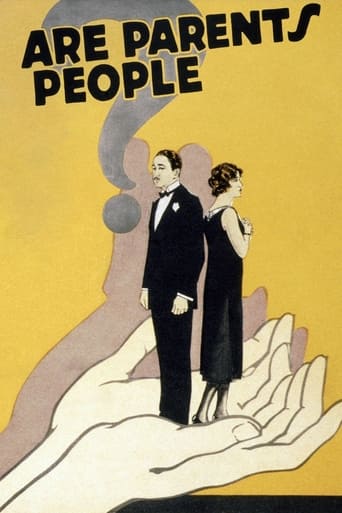

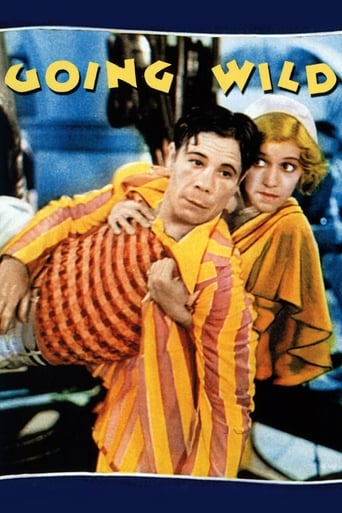

About Lawrence Gray
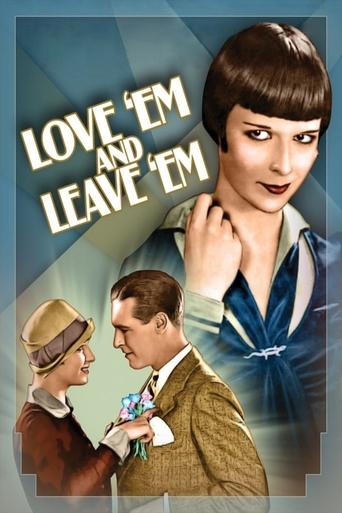
prominent American leading man during the silent film era and early sound period — known for his handsome appearance and romantic roles. Born in San Francisco, he began his career in the early 1920s and quickly rose to stardom at Paramount Pictures, where he became one of their reliable leading actors. Gray's breakthrough came with roles in films like 'Stage Struck' (1925) alongside Gloria Swanson and 'Love 'Em and Leave 'Em' (1926) with Clara Bow. He successfully transitioned to talkies, though his career began to decline in the early 1930s as newer leading men emerged. Despite his relatively short period of major stardom, Gray appeared in over 50 films between 1925 and 1936. His final years were marked by smaller roles and B-movies before he retired from acting. Gray's legacy remains as a representative figure of the romantic leading men of late silent cinema who struggled to maintain their status in the changing Hollywood landscape.
The Craft
On Screen
Gray was known for his natural, understated acting style that contrasted with the more theatrical performances common in silent films. He possessed a quiet charm and sincerity that made him particularly effective in romantic roles. His screen presence was characterized by a dignified, gentlemanly demeanor that appealed to audiences of the era. Gray's acting technique emphasized subtlety and emotional authenticity rather than grand gestures, which helped him transition successfully to sound films where such restraint was valued.
Milestones
- Breakthrough role in 'Stage Struck' (1925) opposite Gloria Swanson
- Leading role in 'Love 'Em and Leave 'Em' (1926) with Clara Bow
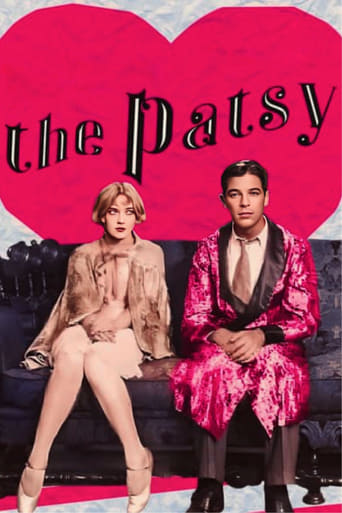
- Co-starring with Marion Davies in 'The Patsy' (1928)
- Successful transition to talkies in early 1930s
- Leading man status at Paramount Pictures during late silent era
Best Known For
Iconic Roles
Must-See Films
Working Relationships
Worked Often With
Studios
Why They Matter
Impact on Culture
Lawrence Gray represents the archetype of the silent era leading man whose career trajectory mirrored the broader changes in Hollywood during the transition to sound. His films captured the romantic sensibilities of the 1920s and provided audiences with the sophisticated, gentlemanly characters that were popular during the Jazz Age. Gray's work in films like 'Love 'Em and Leave 'Em' helped establish the romantic comedy formula that would become a staple of American cinema. His ability to transition from silent to sound films, while maintaining his leading man status for several years, demonstrated the adaptability required of actors during this pivotal period in film history.
Lasting Legacy
Though largely forgotten by contemporary audiences, Lawrence Gray's legacy endures through his contributions to late silent cinema and early sound films. His performances in classic films like 'The Patsy' and 'Stage Struck' remain valuable examples of leading man acting from the transitional period of Hollywood. Gray's career serves as a case study in the challenges faced by silent film stars adapting to the talkies era. Film historians and silent cinema enthusiasts continue to appreciate his work for its naturalistic approach and the way it bridged the gap between theatrical silent acting and the more realistic style required by sound films.
Who They Inspired
While not considered a major influence on subsequent generations of actors, Gray's naturalistic acting style did contribute to the evolution away from the exaggerated performances common in early cinema. His success in romantic roles helped establish templates for the sophisticated leading man that would be refined by later actors. Gray's ability to maintain his career through the sound transition demonstrated techniques that other actors would emulate during this challenging period of film history.
Off Screen
Lawrence Gray was known as a private individual who kept his personal affairs away from the Hollywood spotlight. He married actress Helene Costello in 1927, though the marriage ended in divorce in 1930. He later married Virginia Bruce in 1932, but this marriage also ended in divorce in 1933. Gray never had children and spent his later years away from the entertainment industry, living a quiet life in California. His personal life was relatively free of the scandals that plagued many of his contemporaries.
Education
Limited information available about his formal education, though he likely attended local schools in San Francisco before entering show business
Family
- Helene Costello (1927-1930)
- Virginia Bruce (1932-1933)
Did You Know?
- Was originally considered for the lead role in 'The Jazz Singer' (1927) before it went to Al Jolson
- Was one of the few silent stars who successfully transitioned to talkies without losing his leading man status immediately
- His height of 6'1" made him taller than most leading men of his era
- Was a skilled amateur boxer before entering films
- His first film appearance was as an extra in a 1923 film before receiving his first credited role in 1925
- Was known for his professionalism and reliability on set, rarely causing production delays
- Spoke fluent French, which helped him in international film markets
- Retired from acting in 1936 at age 38, relatively young for a film star
- Was friends with fellow actor Ramon Novarro, with whom he shared similar career trajectories
- His final film appearance was in a supporting role in 'The Preview Murder Mystery' (1936)
In Their Own Words
Acting in talkies requires more subtlety. The microphone hears everything, even the thoughts behind your eyes.
The transition from silent to sound wasn't about learning to speak, it was about learning to be real on screen.
In silent films, we had to show everything. In talkies, we can afford to suggest more.
Frequently Asked Questions
Who was Lawrence Gray?
American with credits in this catalog. He was known for his romantic roles and natural acting style, starring opposite major stars like Gloria Swanson, Clara Bow, and Marion Davies in films such as 'Stage Struck' (1925) and 'The Patsy' (1928).
What films is Lawrence Gray best known for?
Titles linked here include Stage Struck (1925), Love 'Em and Leave 'Em (1926).
When was Lawrence Gray born and when did he die?
Born July 28, 1898; died February 2, 1970.
What awards did Lawrence Gray win?
Lawrence Gray did not receive any major awards or nominations during his career, which was not uncommon for actors of his era. His recognition came primarily from his popularity with audiences and his status as a reliable leading man for major studios like Paramount Pictures.
What was Lawrence Gray's acting style?
Gray was known for his natural, understated acting style that emphasized subtlety and emotional authenticity rather than the theatrical performances common in silent films. His dignified, gentlemanly demeanor and quiet charm made him particularly effective in romantic roles and helped him successfully transition to sound films where such restraint was valued.