
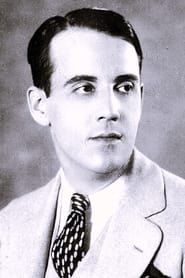

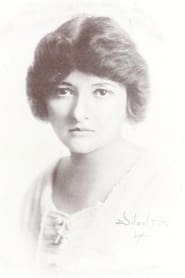
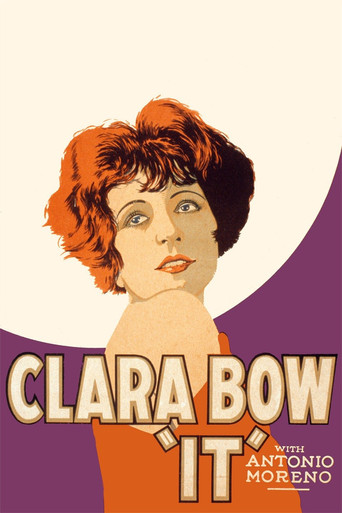
Love 'Em and Leave 'Em
"Sister's clothes even money."
Keys: Space play/pause · ←/→ 10s · F fullscreen · M mute · </> speed
About this film
But Janie helps herself to everything of her sister's, be it her clothes or her men - even the money entrusted to her by fellow employees at the store they work at. Regardless, Mame can't break her promise. So when it comes to getting Janie out of trouble, big sister comes to the rescue.
Cast & crew
More films like this
More Comedy films
View all →







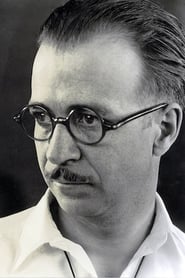
More from Frank Tuttle
View all →
More about this film
About the production
Release dateAugust 9, 1926
Box officeUnknown
ProductionParamount Pictures
Filmed inParamount Studios, Hollywood, California
This film was produced during the peak of the silent era and showcases the rising star power of Louise Brooks, who was still relatively early in her career. The production utilized Paramount's state-of-the-art facilities and benefited from the studio's commitment to quality productions. Director Frank Tuttle was known for his efficient directing style and ability to work well with actors, which helped create the natural chemistry between the leads.
Themes
Sisterly loyalty and family obligationTraditional values versus modern independenceThe challenges of keeping promisesFemale friendship and rivalryComing of age in the Jazz Age
Themes & topics
Historical background
Production circa 1926 placed Love 'Em and Leave 'Em within the technical habits of its era—intertitles, studio sets, and regional distribution networks.
Why this film matters
For historians, Love 'Em and Leave 'Em documents what typical program fare looked like in 1926, not only marquee blockbusters.
Making of
The making of 'Love 'Em and Leave 'Em' occurred during a transformative period in Hollywood history. The film was shot on Paramount's backlot in Hollywood, where the studio had invested heavily in creating realistic urban environments. Director Frank Tuttle was known for his collaborative approach with actors, allowing for improvisation within the structured narrative. The chemistry between Evelyn Brent and Louise Brooks was genuine, as both actresses were navigating the challenges of stardom in the competitive studio system. The costume department created authentic 1920s flapper fashions that helped define the characters' personalities and the film's visual style. The production team faced the technical challenges of filming in confined department store sets, requiring innovative camera movements and lighting techniques to capture the bustling workplace atmosphere.
What critics said
Trade papers near 1926 listed Love 'Em and Leave 'Em among weekly program offerings rather than as a headline critical event.
Did you know?
- This was one of Louise Brooks' early starring roles before she became an international sensation with 'Pandora's Box' (1929)
- The film was based on a popular stage play by George V. Hobart and J.C. Nugent
- Evelyn Brent, who played the responsible sister Mame, was actually two years younger than Louise Brooks in real life
- The department store scenes were filmed on elaborate sets that replicated real 1920s retail environments
- Director Frank Tuttle would later direct several films for Paramount during the transition to sound
- The film showcased the modern flapper lifestyle that was defining the 1920s cultural landscape
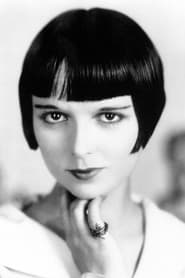
- Louise Brooks' distinctive bob haircut, which would become her trademark, was prominently featured in this film
- The movie was released during the height of the Jazz Age, reflecting the era's changing social mores
- Paramount promoted the film heavily, recognizing the growing popularity of its young female stars
- The film's title became a popular phrase in 1920s slang, referring to casual romantic relationships
Visual style
The cinematography, handled by Victor Milner, showcased the technical sophistication of late silent-era filmmaking. The department store sequences utilized complex lighting setups to create the illusion of a bustling retail environment, with multiple light sources and careful attention to shadows and highlights. The camera work employed both static shots and subtle movements to enhance the storytelling, particularly in scenes involving the sisters' interactions. The use of close-ups was judicious but effective, especially in capturing the expressive performances of the lead actresses. The film's visual style balanced the glossy artificiality of studio sets with a sense of realism that made the story more relatable to contemporary audiences. The black and white photography demonstrated excellent contrast and tonal range, typical of Paramount's high production standards during this period.
Innovations
While not groundbreaking in terms of technical innovation, the film demonstrated the high level of craftsmanship achieved by Hollywood studios by the mid-1920s. The production design for the department store sets was particularly impressive, creating a convincing representation of 1920s retail environments. The lighting techniques used to simulate natural light within the store sets showed advanced understanding of cinematographic principles. The film's editing maintained good pacing throughout its narrative, effectively balancing the comedic and dramatic elements. The makeup and costume departments achieved authentic period looks that enhanced the storytelling without appearing artificial. The film's successful integration of multiple genres within a single narrative demonstrated the narrative sophistication that had developed in silent cinema by this period.
Music
As a silent film, 'Love 'Em and Leave 'Em' would have been accompanied by live musical performance during its original theatrical run. The score would have been provided by theater orchestras or organists, typically following cue sheets provided by the studio. These cue sheets suggested appropriate musical themes for different scenes and emotions, ranging from upbeat jazz numbers for the flapper sequences to more dramatic classical pieces for moments of conflict. The music would have reflected the popular styles of 1926, including jazz, ragtime, and contemporary popular songs. The rhythm and tempo of the musical accompaniment would have been crucial in enhancing the film's comedic moments and emotional beats. Modern restorations and screenings of the film typically feature newly composed scores or carefully selected period-appropriate music to recreate the original viewing experience.
Famous quotes
A promise to Mother is a promise that must be kept
Janie, you can't just take whatever you want in life
Some sisters are worth more than all the money in the world
In this family, we look after each other, no matter what
Memorable scenes
- The opening scene where Mame makes her deathbed promise to her mother
- Janie's playful theft of her sister's clothes and makeup
- The chaotic department store scenes showing the sisters at work
- The confrontation scene when the missing money is discovered
- The emotional climax where Mame must choose between her principles and her sister
What audiences thought
The film was well-received by audiences in 1926, particularly young women who identified with the characters' struggles and aspirations. Movie theaters reported good attendance, especially in urban areas where the department store setting resonated with viewers' daily experiences. The chemistry between the two leading actresses was a particular draw, with many audience members appreciating the realistic sister dynamic. The film's mix of comedy, romance, and drama appealed to a broad demographic, helping it achieve commercial success. Contemporary audience letters and reviews in fan magazines praised the film's entertainment value and the relatable nature of its characters. The film's popularity contributed to Louise Brooks' growing star status and helped establish her as a bankable leading lady for Paramount Pictures.
Film connections
Influenced by
- The stage play by George V. Hobart and J.C. Nugent
- Contemporary films about working women
- Popular literature about flapper culture
- German expressionist cinema's visual style
- American comedy traditions of the 1920s
This film influenced
- Later films about sister relationships
- 1930s workplace comedies
- Films featuring flapper characters
- Movies about family obligation versus personal freedom
Film restoration
The film survives in complete form and has been preserved by major film archives. A 35mm print is held in the Library of Congress collection, and the film has been made available through various preservation efforts. While not as widely circulated as some other silent classics, it remains accessible to researchers and enthusiasts through specialized screenings and archival collections. The film has undergone some restoration work to improve image quality, though it has not received a major digital restoration as of recent years.
Where to watch
- The film is available through various classic film streaming services
- DVD releases from specialty distributors
- Archival screenings at film museums and classic film festivals
- Some public domain versions may be available online
- Film archives and libraries with special collections