
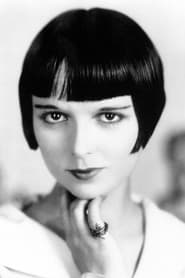
Louise Brooks
Actor
Born: November 14, 1906 in Cherryvale, Kansas, USA Died: August 8, 1985 Active: 1925-1938 Birth Name: Mary Louise Brooks
Films
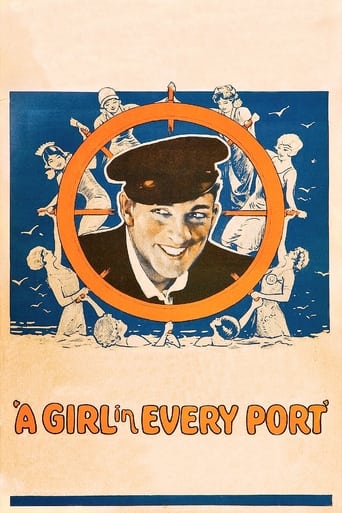
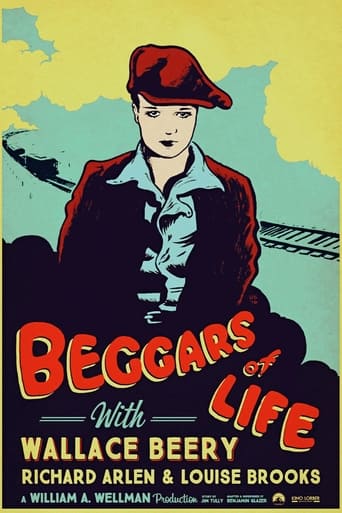
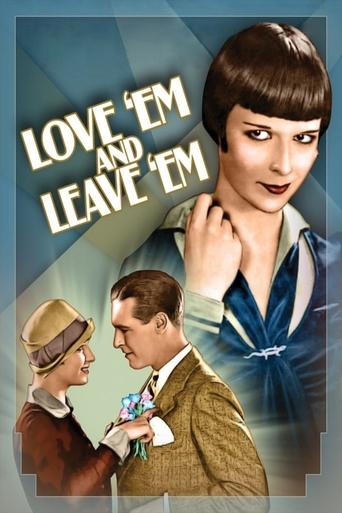
5 films

About Louise Brooks
American actress and dancer who rose to prominence during the silent film era, renowned for her distinctive bob haircut and naturalistic acting style. Born in Kansas, she began her career as a dancer with the Denishawn Dance Company before transitioning to film in 1925. Her breakthrough came with Paramount Pictures, where she starred in comedies before achieving international fame in German director G.W. Pabst's films. Her most celebrated performances came in 'Pandora's Box' (1929) and 'Diary of a Lost Girl' (1929), which showcased her modern, sensual screen presence and challenged contemporary moral standards. After returning to Hollywood, she struggled with the transition to sound and effectively retired from acting in the late 1930s. In her later years, she reinvented herself as a writer and film critic, penning insightful essays about cinema and her contemporaries. Brooks' legacy endures as a symbol of the Jazz Age's liberation and as one of cinema's most distinctive and influential screen presences.
The Craft
On Screen
Brooks pioneered a naturalistic, understated acting style that stood in stark contrast to the exaggerated pantomime typical of silent cinema. Her performances were characterized by subtle facial expressions, minimalist gestures, and an emotional authenticity that felt remarkably modern. She possessed a unique ability to convey complex emotions through her eyes and slight movements, creating characters that were both vulnerable and fiercely independent. Her approach rejected theatricality in favor of psychological realism, making her performances feel contemporary even decades later.
Milestones
- Breakthrough role in 'The Street of Forgotten Men' (1925)
- Contract with Paramount Pictures (1925-1928)
- Starred in G.W. Pabst's 'Pandora's Box' (1929)
- Lead role in 'Diary of a Lost Girl' (1929)
- Transition to sound films in early 1930s
- Retirement from acting to become writer and film critic
- Rediscovery and cult status in 1950s-1970s
Best Known For
Iconic Roles
Must-See Films
Accolades
Special Recognition
- Inducted into the National Film Registry (Pandora's Box, 2019)
- Star on the Hollywood Walk of Fame (1722 Vine Street)
- Featured on U.S. Postage stamp (1994)
- Brooks Society established in her honor
- Multiple film retrospectives dedicated to her work
Working Relationships
Worked Often With
Studios
Why They Matter
Impact on Culture
Louise Brooks became an enduring cultural icon whose influence extended far beyond her film career. Her distinctive black bob haircut sparked a global fashion trend that defined the flapper era and continues to inspire hairstyles today. Her portrayal of sexually liberated, independent women challenged 1920s social mores and established a new archetype for female characters in cinema. Brooks embodied the Jazz Age's spirit of rebellion and modernity, becoming a symbol of female emancipation that resonated with subsequent generations of women. Her films, particularly 'Pandora's Box,' were rediscovered in the 1950s and gained cult status, influencing the French New Wave directors and cementing her place in film history as a pioneer of naturalistic performance.
Lasting Legacy
Louise Brooks' legacy encompasses both her revolutionary contributions to cinema and her cultural impact as a style icon. She is remembered for transforming acting styles in silent film through her naturalistic approach and for creating some of cinema's most complex female characters. Her autobiographical writings, particularly 'Lulu in Hollywood,' provided invaluable insights into the early film industry and influenced film scholarship. The preservation and restoration of her films have ensured that her performances continue to be studied and appreciated by new generations. Brooks' image remains instantly recognizable, and her name has become synonymous with the liberated, modern woman of the 1920s.
Who They Inspired
Brooks influenced countless filmmakers and performers who followed her. German Expressionist directors were inspired by her screen presence, while French New Wave directors like Godard and Truffaut cited her as a major influence. Her naturalistic acting style prefigured method acting techniques that would emerge decades later. Actresses from Marlene Dietrich to Mia Farrow have emulated her distinctive look and screen persona. Contemporary filmmakers continue to reference her work, and her image appears regularly in fashion, music videos, and art as a symbol of timeless glamour and rebellion.
Off Screen
Louise Brooks led a complex personal life marked by numerous relationships and financial struggles. She married director Eddie Sutherland in 1926, but the marriage ended in divorce in 1928 due to her affairs and his jealousy. She had relationships with many notable figures including Charlie Chaplin, George Preston Marshall, and G.W. Pabst. Brooks never had children but was devoted to her sister's family in her later years. After leaving Hollywood, she faced financial hardship and worked various jobs including sales clerk and dance instructor before finding stability as a writer. She spent her final years in Rochester, New York, living quietly and corresponding with film scholars and fans.
Education
Attended public schools in Cherryvale, Kansas; studied dance at Denishawn School of Dancing and Related Arts in Los Angeles (1922-1924)
Family
- Eddie Sutherland (1926-1928)
Did You Know?
- Her distinctive bob haircut was actually cut by a barber in Berlin, not a stylist
- She was nicknamed 'Lulu' after her most famous character, a name that stuck for life
- Brooks — talented writer who published essays in magazines like Sight & Sound
- She turned down the lead role in 'The Public Enemy' (1931) which went to Jean Harlow
- Her salary at Paramount was $750 per week, equivalent to over $11,000 today
- She was a close friend of author and fellow Kansas native William S. Burroughs
- Brooks could speak German fluently, which helped her work with German directors
- She was an accomplished dancer and performed with the legendary Denishawn company
- Her films were banned in several countries for their sexual content and moral ambiguity
- She lived her final 23 years in a small Rochester apartment, eschewing Hollywood glamour
In Their Own Words
You can't get a good man in the daytime, they're all working.
I was a peculiar little thing. I never learned to be a social creature.
My life was a series of rebellions against things I didn't like.
I learned how to act by watching the people around me. I was a natural observer.
The great lovers in my life have been books.
I was a selfish, arrogant, and difficult person, and I paid for it.
Hollywood is a place where they'll pay you a thousand dollars for a kiss and fifty cents for your soul.
Frequently Asked Questions
Who was Louise Brooks?
Iconic American silent film actress known for her distinctive bob haircut, naturalistic acting style, and memorable roles in German on YTB.my.W. Pabst's films. She became a symbol of the Jazz Age's liberated woman and later gained recognition as a writer and film critic.
What films is Louise Brooks best known for?
Titles linked here include Pandora's Box (1929), Diary of a Lost Girl (1929).
When was Louise Brooks born and when did she die?
Born November 14, 1906; died August 8, 1985.
What awards did Louise Brooks win?
While Brooks received no major awards during her lifetime, her film 'Pandora's Box' was inducted into the National Film Registry in 2019, she received a star on the Hollywood Walk of Fame, and was featured on a U.S. Postage stamp in 1994.
What was Louise Brooks' acting style?
Brooks pioneered a naturalistic, understated acting style that contrasted with the exaggerated pantomime of silent cinema. She used subtle facial expressions and minimal gestures to convey complex emotions, creating performances that felt remarkably modern and psychologically authentic.
Why did Louise Brooks' career decline?
Brooks' career declined due to her rebellious nature, conflicts with studio executives, refusal to conform to Hollywood expectations, and difficulties transitioning to sound films after her German success.
What was Louise Brooks' cultural impact?
Brooks became a cultural icon whose bob hairstyle sparked a global fashion trend, and her portrayals of independent women challenged 1920s social mores. She embodied Jazz Age rebellion and influenced generations of actresses, filmmakers, and artists.