
Beggars of Life
"Fleeing from the horror of her home life"
Keys: Space play/pause · ←/→ 10s · F fullscreen · M mute · </> speed
About this film
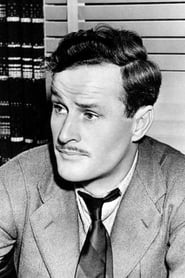
Fleeing from the horror of her home Life, Nancy, an orphan raised by a brutal foster father, kills the man in a moment of panic and self-defense. She is soon discovered by Jim, a young drifter and hobo, who stumbles upon the scene. Though initially reluctant, Jim agrees to help Nancy escape, and she disguises herself in boy's clothes to pass unnoticed.
Cast & crew
More films like this
More Adventure films
View all →

More from William A. Wellman
View all →

More about this film
About the production
Release dateSeptember 22, 1928
ProductionParamount Pictures
Filmed inCalifornia, Sierra Nevada Mountains, San Joaquin Valley
Beggars of Life was one of Paramount's first part-talkie films, featuring synchronized sound effects and some dialogue sequences. The production faced significant challenges filming on location in harsh weather conditions, particularly during the mountain sequences. Director William A. Wellman insisted on using real freight trains and authentic hobo camps to achieve realism. The film's controversial subject matter of a young woman on the run with male companions required careful handling to satisfy the Hays Code censors of the era.
Themes
Survival against overwhelming oddsThe formation of unconventional familiesGender identity and disguiseSocial class and marginalizationRedemption and moral ambiguity
Themes & topics
hobofugitivedisguisetrain hoppingon the runself-defensecross-country journeypolice pursuitcar theftborder crossingsurvivalunlikely alliancegender disguiseGreat Depression erasocial outcast
Historical background
Beggars of Life (1928) emerged during the silent-film era. Fleeing from the horror of her home life, Nancy, an orphan raised by a brutal foster father, kills the man in a moment of panic and self-defense. Archival records and catalog entries help place the work within film-history surveys of the period.
Why this film matters
Preserved under Wikidata ID Q3233816, Beggars of Life is valued as a screen drama within catalog and archive collections. Wikipedia's "Beggars of Life" entry connect it to broader histories of cinema exhibition and restoration.
Making of
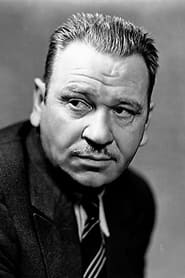
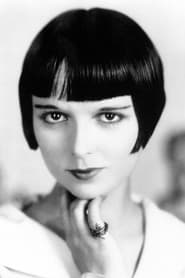
The production of Beggars of Life was marked by William A. Wellman's commitment to authenticity. Having been a hobo himself as a teenager, Wellman insisted on filming in real locations and using actual freight trains. The cast and crew endured harsh conditions while shooting in the Sierra Nevada mountains, with temperatures often dropping below freezing. Louise Brooks, initially considered difficult to work with, impressed Wellman with her professionalism during the demanding location shoots. The film's transition to sound technology during production created additional challenges, with some scenes needing to be reshot to accommodate the new sound equipment. The casting of Wallace Beery as Oklahoma Red was a stroke of genius, as the actor's gruff demeanor and naturalistic style perfectly embodied the character. The film's realistic depiction of hobo life caused controversy with studio executives who feared it might glorify vagrancy, but Wellman stood his ground, arguing that the film was ultimately about redemption and the human spirit.
What critics said
Survival status shapes reception: Beggars of Life is discussed mainly in preservation and film-history literature rather than in wide contemporary review columns.
Did you know?
- This was Louise Brooks' first major starring role for Paramount Pictures and helped establish her as a major star.
- The film was one of the first 'part-talkies' - it had a synchronized musical score and sound effects, plus some dialogue sequences.
- Wallace Beery's performance as Oklahoma Red was so convincing that real hobos who visited the set thought he was one of them.
- Director William A. Wellman drew from his own experience as a real hobo in his youth to bring authenticity to the film.
- The train sequences were filmed using actual moving freight trains, with the actors performing their own stunts.
- The film was based on Jim Tully's autobiographical novel, which was considered quite controversial for its time.
- Louise Brooks' iconic bob haircut became a fashion trend after women saw it in this film.
- The movie was banned in several cities due to its depiction of violence and its sympathetic portrayal of criminals.
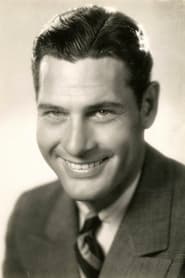
- Richard Arlen and Louise Brooks began a real-life romance during filming that lasted for several years.
- The hobo camp scenes featured actual homeless people as extras to add authenticity.
Awards & recognition
- No major awards were recorded for this film
Visual style
The cinematography by Henry W. Gerrard was groundbreaking for its time, featuring extensive location shooting that brought unprecedented realism to the screen. Gerrard employed natural lighting techniques in the outdoor sequences, particularly during the train-hopping scenes, creating a documentary-like quality that enhanced the film's authenticity. The camera work during the action sequences was innovative for its era, with dynamic tracking shots following the moving trains and handheld-style photography during chase scenes. The visual contrast between the open expanses of the American landscape and the claustrophobic confines of boxcars and hobo camps created a powerful visual metaphor for freedom and entrapment. The film's use of shadow and light in the night scenes was particularly effective in creating mood and tension. The cinematography successfully captured both the beauty and harshness of the American wilderness, reinforcing the film's themes of survival against overwhelming odds.
Innovations
Beggars of Life was technically innovative in several ways. As one of Paramount's first part-talkies, it pioneered techniques for blending synchronized sound with traditional silent film storytelling. The film's extensive location shooting using actual moving freight trains represented a significant technical achievement, requiring custom camera mounts and safety equipment. The production developed new methods for recording sound in outdoor environments, overcoming the limitations of early sound recording equipment. The film also featured innovative stunt work and action sequences that pushed the boundaries of what was considered possible in cinema of the era. The special effects used to create the illusion of train movement and weather conditions were particularly sophisticated for the time. The film's successful integration of sound and visual elements influenced the development of hybrid film techniques during the industry's transition to full sound production.
Music
As a part-talkie, Beggars of Life featured a synchronized musical score composed by Josiah Zuro, along with carefully crafted sound effects and limited dialogue sequences. The musical score incorporated popular folk melodies of the era, including traditional hobo songs that added cultural authenticity to the proceedings. The sound effects were particularly innovative for the time, with realistic train noises, weather effects, and ambient sounds that enhanced the immersive quality of the film. The dialogue sequences, while limited, were strategically placed to emphasize key emotional moments without disrupting the primarily visual storytelling. The film's soundtrack demonstrated how sound could enhance rather than replace silent film techniques, serving as a model for other transitional films of the period. The musical themes helped establish the emotional tone of different scenes, with jaunty rhythms accompanying moments of freedom and somber melodies underscoring periods of hardship.
Famous quotes
A man's got to do what he's got to do, even if it kills him." - Oklahoma Red
We're all beggars in this life, some just admit it sooner than others." - Jim
You can't run away from yourself, no matter how fast the train goes." - Nancy
The road doesn't care who you are, only where you're going." - Jim
In this world, you're either the hunter or the hunted. Choose wisely." - Oklahoma Red
Memorable scenes
- The opening sequence where Nancy kills her stepfather in self-defense, establishing the film's moral ambiguity
- The tense moment when Nancy first disguises herself as a boy, cutting her hair and binding her chest
- The spectacular train-hopping sequence with the actors performing their own stunts on moving freight cars
- The dramatic confrontation in the hobo camp where Oklahoma Red initially threatens Jim and Nancy
- The car theft scene that showcases the trio's desperation and resourcefulness
- The final border crossing attempt, filled with tension and uncertainty about their fate
What audiences thought
Beggars of Life was a commercial success upon its release, resonating strongly with audiences who were drawn to its authentic portrayal of life on the margins of society. The film's action sequences and romantic elements appealed to mainstream moviegoers, while its social themes gave it depth that distinguished it from typical adventure films of the era. Audience reaction to Louise Brooks was particularly enthusiastic, with many viewers writing fan letters praising her performance and distinctive style. The film's depiction of hobo life struck a chord with Americans during a time of growing economic uncertainty, though some audience members found certain scenes too intense for the period. The film's popularity helped establish the 'road movie' as a viable genre and influenced public perception of homeless Americans, generating some sympathy for their plight. Despite being banned in several conservative markets, the film found widespread acceptance in most urban centers and continued to draw audiences even as fully sound films began to dominate theaters.
Film connections
Influenced by
- Jim Tully's autobiographical novel
- German Expressionist cinema
- American social realist literature
- Contemporary newspaper stories about hobos
- Wellman's personal experiences as a drifter
This film influenced
- The Grapes of Wrath (1940)
- Sullivan's Travels (1941)
- They Live by Night (1948)
- Bonnie and Clyde (1967)
- Thelma & Louise (1991)
- Into the Wild (2007)
Film restoration
Beggars of Life has been preserved by the Library of Congress and selected for the National Film Registry in 2020 for its cultural, historical, and aesthetic significance. The film exists in both its silent and part-talkie versions, with the sound version being more complete. A restoration was completed in 2019 by The Museum of Modern Art in conjunction with Paramount Pictures, which included reconstruction of missing scenes and enhancement of the existing sound elements. The restored version premiered at the Cannes Film Festival as part of their Classics section. The film is considered well-preserved compared to many other silent films of the era, with no lost footage and relatively good image quality throughout.
Where to watch
- The Criterion Collection streaming service
- Kino Lorber Blu-ray/DVD release
- The Museum of Modern Art's film collection screenings
- Turner Classic Movies periodic broadcasts
- The Library of Congress's online streaming portal
- Film Noir Foundation special screenings
- Various classic film festivals worldwide