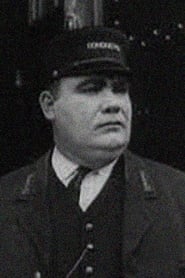
Kewpie Morgan
Actor
Born: February 12, 1892 in Philadelphia, Pennsylvania, USA Died: September 24, 1956 Active: 1919-1928 Birth Name: James Horatio Tierney
Films
10 films

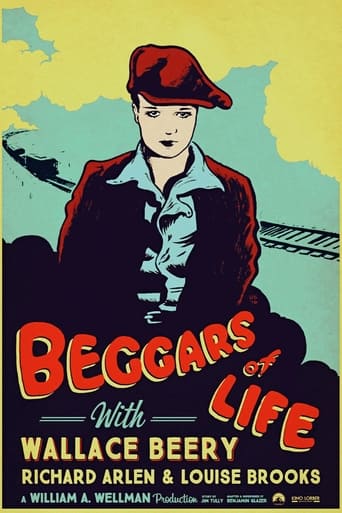
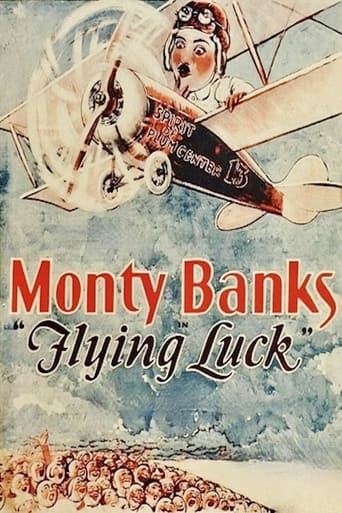
About Kewpie Morgan
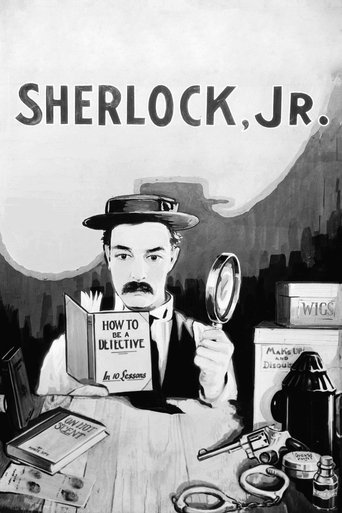
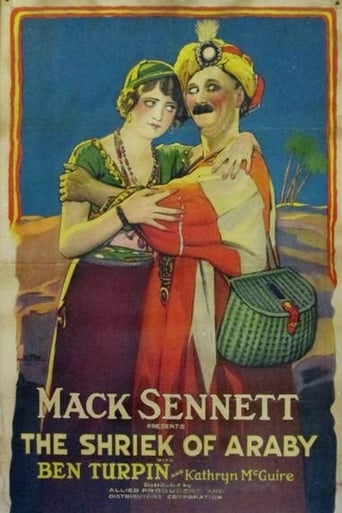
Prolific character actor and comedian of the silent film era, best known for his distinctive appearance and memorable supporting roles in classic comedies. Born James Horatio Tierney, he adopted the stage name 'Kewpie' due to his resemblance to the popular Kewpie dolls of the era, characterized by his round face and cherubic features. Morgan began his film career in 1919 and quickly established himself as a reliable comic presence, often playing bumbling sidekicks, eccentric villagers, or comical villains. His most significant work came through his collaborations with Buster Keaton, appearing in the films 'Three Ages' (1923) and 'Sherlock Jr.' (1924), where his physical comedy skills and expressive face made him a perfect complement to Keaton's deadpan style. Throughout his career, which spanned nearly a decade, Morgan appeared in over 50 films, working with various studios and comedy teams. His performances in films like 'Back to God's Country' (1919) and 'The Shriek of Araby' (1923) showcased his versatility in both dramatic and comic roles. As the transition to sound films began in the late 1920s, Morgan's career waned, and he made his final film appearance in 1928, leaving behind a legacy of memorable silent era performances.
The Craft
On Screen
Kewpie Morgan was known for his expressive physical comedy and distinctive facial features that made him instantly recognizable to audiences. His acting style emphasized broad gestures and exaggerated expressions, perfectly suited to the silent film medium where visual storytelling was paramount. Morgan had a particular talent for playing comically inept or bewildered characters, often serving as the perfect foil to more stoic comedians like Buster Keaton. His round, cherubic face and small stature made him ideal for playing childlike or simple-minded characters, and he could convey complex emotions through subtle changes in expression. Morgan's comedic timing was impeccable, and he had a remarkable ability to transform himself physically to fit various character types, from bumbling fools to comically menacing villains.
Milestones
- Breakthrough role in 'Back to God's Country' (1919)
- Regular collaborator with Buster Keaton in the early 1920s
- Memorable performance in 'Sherlock Jr.' (1924)
- Featured in 'Three Ages' (1923), one of Keaton's most ambitious projects
- Appeared in over 50 silent films during his decade-long career
Best Known For
Iconic Roles
Must-See Films
Working Relationships
Worked Often With
Studios
Why They Matter
Impact on Culture
Kewpie Morgan represents the archetype of the silent era character actor whose contributions, while not leading roles, were essential to the success of many classic films. His work with Buster Keaton helped define the visual comedy language of the 1920s, demonstrating how supporting characters could enhance the effectiveness of physical comedy. Morgan's distinctive appearance and comic timing influenced subsequent generations of character actors who specialized in similar roles. His performances in early adventure films like 'Back to God's Country' also contributed to the development of the action-adventure genre in American cinema. Though largely forgotten today, Morgan's body of work serves as an important example of the ensemble nature of silent film comedy, where every performer, regardless of billing, contributed to the overall artistic vision.
Lasting Legacy
Kewpie Morgan's legacy lies primarily in his contributions to some of the most celebrated silent comedies ever made, particularly those of Buster Keaton. His performances continue to be studied by film scholars and silent film enthusiasts as examples of perfect comic timing and physical comedy technique. Morgan represents the hundreds of character actors who were the backbone of Hollywood's studio system during the silent era, providing essential support to stars and helping create memorable cinematic moments. While he never achieved stardom himself, his work in films like 'Sherlock Jr.' and 'Three Ages' has been preserved for future generations through film restoration projects and home video releases. Morgan's career also serves as a poignant reminder of the many performers whose careers ended with the transition to sound, highlighting the dramatic changes the film industry underwent in the late 1920s.
Who They Inspired
Kewpie Morgan influenced subsequent generations of character actors through his specialized approach to comic supporting roles. His ability to create memorable characters with limited screen time demonstrated the importance of ensemble casting in comedy films. Many later character actors in sound films, particularly those working in comedy, would adopt similar techniques of using distinctive physical features and expressive faces to create instant audience recognition. Morgan's work with Buster Keaton helped establish the template for comedy troupe dynamics that would influence later comedy teams from The Marx Brothers to modern comedy ensembles. His performances also showed how physical comedy could be used to enhance narrative tension in adventure and dramatic films, a technique that would be refined by later filmmakers.
Off Screen
James Horatio Tierney, known professionally as Kewpie Morgan, led a relatively private life away from the Hollywood spotlight. Born into an Irish-American family in Philadelphia, he was one of several children who would pursue entertainment careers. Morgan married actress and fellow silent film performer Grace Cunard in 1923, though the marriage was relatively short-lived. After his film career ended with the transition to sound, Morgan struggled to find work in the new medium and eventually left the entertainment industry altogether. He spent his later years working various jobs outside of film, including a period as a restaurant owner in Los Angeles. Morgan never had children and lived a modest life in his final years, largely forgotten by the Hollywood establishment that had once employed him regularly.
Education
Limited formal education; likely attended public schools in Philadelphia before entering show business
Family
- Grace Cunard (1923-1925)
Did You Know?
- His stage name 'Kewpie' came from his resemblance to the popular Kewpie dolls created by Rose O'Neill in 1909
- He was one of the few actors who worked with both Buster Keaton and his contemporary rival Harold Lloyd
- Morgan stood only 5'2" tall, which contributed to his distinctive screen presence
- Before entering films, he worked in vaudeville and traveling circuses
- He often performed his own stunts, despite his small stature
- Morgan was part of the regular troupe of actors that Keaton used repeatedly in his films
- His brother, Charles Morgan, also worked as an actor in silent films under the name 'Charles K. Morgan'
- He appeared in at least 8 films with Nell Shipman, one of the era's few female directors
- Morgan was known for his ability to cry on cue, a valuable skill in silent melodramas
- After leaving films, he briefly worked as a talent scout for a major studio
In Their Own Words
In silent films, your face had to do all the talking. I was lucky mine had so much to say.
Working with Keaton was like being part of a human cartoon - every movement had to be precise, every expression counted.
They called me Kewpie because of my face, but I kept the name because it made people smile before I even moved.
Frequently Asked Questions
Who was Kewpie Morgan?
Character with credits in this catalog. Born James Horatio Tierney, he appeared in over 50 films between 1919 and 1928, often playing comic supporting roles.
What films is Kewpie Morgan best known for?
Titles linked here include Back to God's Country (1919), Sherlock Jr. (1924).
When was Kewpie Morgan born and when did he die?
Born February 12, 1892; died September 24, 1956.
Why was he called Kewpie?
He adopted the stage name 'Kewpie' due to his resemblance to the popular Kewpie dolls of the era, which were characterized by round faces and cherubic features. His real name was James Horatio Tierney.
What was Kewpie Morgan's acting style?
Morgan specialized in physical comedy with exaggerated expressions and gestures perfect for silent films. He often played bumbling or bewildered characters, using his distinctive round face and small stature to create memorable comic performances.
Did Kewpie Morgan win any awards?
No, Kewpie Morgan did not receive any major awards or nominations during his career. Like many character actors of the silent era, his contributions went largely unrecognized by formal award organizations.
What happened to Kewpie Morgan's career?
Morgan's career ended with the transition to sound films in the late 1920s. Like many silent film actors whose skills were specific to the medium, he struggled to adapt to talkies and made his final film appearance in 1928, subsequently leaving the entertainment industry.