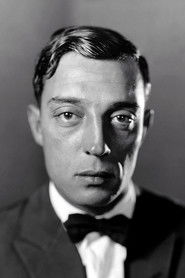
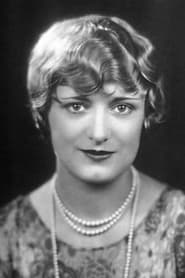
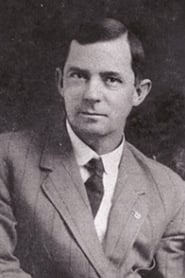
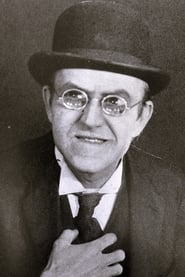
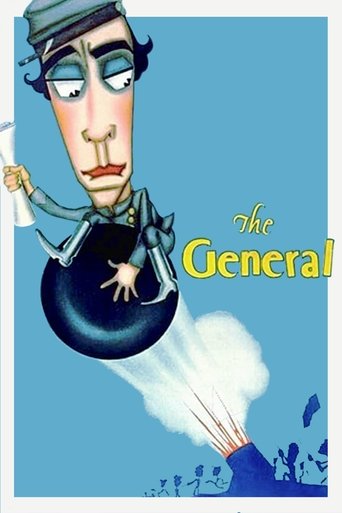
Sherlock Jr.
"Projection booth dreams and frame-perfect stunts"
Keys: Space play/pause · ←/→ 10s · F fullscreen · M mute · </> speed
About this film
A film projectionist longs to be a detective, and puts his meagre skills to work when he is framed by a rival for stealing his girlfriend's father's pocketwatch.
Cast & crew
More films like this
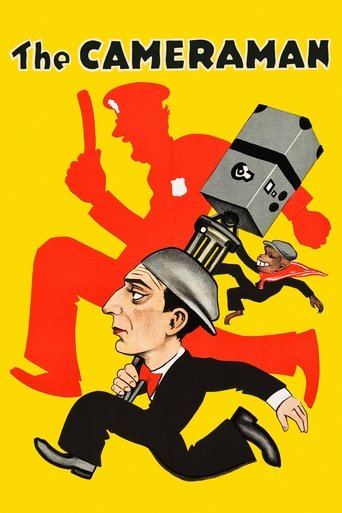
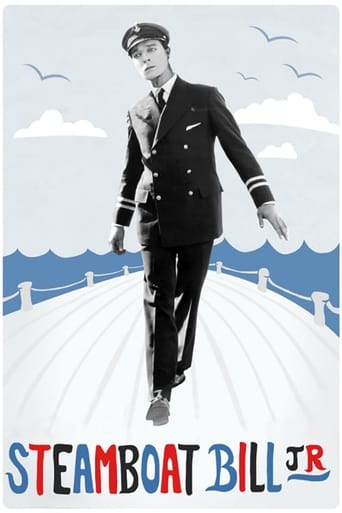


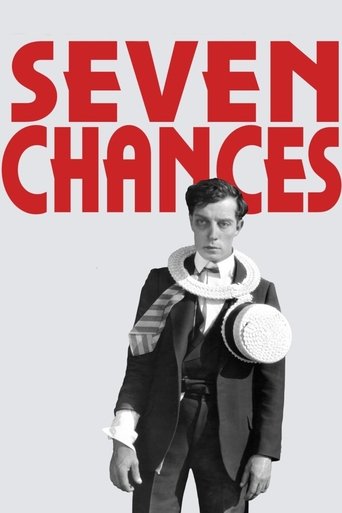
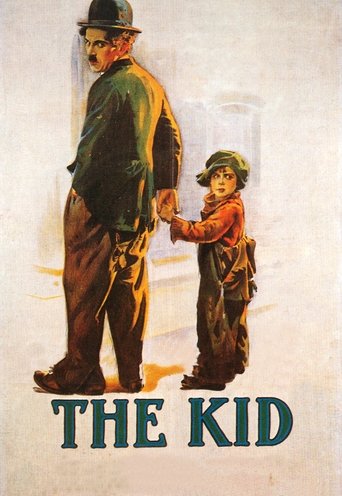
More Action films
View all →
More from Buster Keaton
View all →



More about this film
About the production
Release dateApril 21, 1924
Budget$125,000
Box officeThe film was moderately successful, though exact box office figures from 1924 are not reliably documented. It performed well in major cities but was considered one of Keaton's less commercially successful films at the time, despite its later critical acclaim.
ProductionBuster Keaton Productions, Metro Pictures Corporation
Filmed inLos Angeles, California, Hollywood, California, Keaton Studio in Burbank, California
The film featured groundbreaking special effects for its time, particularly the famous sequence where Keaton's character jumps through the movie screen into the film world. This was accomplished using precise editing techniques and matte shots. The pool hall scene required extensive rehearsals and took three weeks to film. Keaton performed all his own stunts, including a dangerous fall from a water tower that resulted in a neck injury he didn't discover until years later. The film's dream sequence allowed Keaton to explore surreal comedy and meta-cinematic concepts that were decades ahead of their time.
Themes
Dream vs. RealityThe Power of CinemaWish FulfillmentIdentity and Self-PerceptionThe Nature of Detection and Truth
Themes & topics
silent filmcomedydetectivedream sequenceprojectionistfalse accusationtheatermetafictionphysical comedystunt workchaseromancerivalrycinema within cinema
Historical background
Exhibitors in 1924 booked Sherlock Jr. through Buster Keaton Productions as part of the era's steady flow of new releases.
Why this film matters
Archivists note that Sherlock Jr. preserves period framing of a film projectionist longs to be a detective, and puts his meagre skills to work when he i for modern comparison.
Making of
The production of 'Sherlock Jr.' was marked by Keaton's characteristic perfectionism and willingness to risk physical harm for the perfect shot. The film was shot at Keaton's own studio in Burbank, giving him complete creative control. The most technically challenging sequence was the dream sequence where Keaton enters the movie world, which required innovative matte photography techniques that were revolutionary for 1924. Keaton and his team spent weeks planning and rehearsing the pool hall scene, using real billiard balls and expert players to achieve the impossible-looking shots. The famous water tower stunt, where Keaton is knocked unconscious by falling water, resulted in a genuine neck injury that went undiagnosed for years. The film's production coincided with Keaton's peak creative period, when he had complete artistic freedom and the resources to execute his most ambitious ideas. The collaboration with cinematographer Elgin Lessley was particularly fruitful, as they developed new techniques for the surreal dream sequences that would influence filmmakers for decades.
What critics said
Trade coverage around 1924 treated Sherlock Jr. as routine program material rather than a special event.
Did you know?
- Buster Keaton broke his neck performing a stunt where water from a fire hose knocks him down, but he didn't realize the severity of the injury until years later when a doctor discovered the healed fracture.
- The famous scene where Keaton jumps through the movie screen was accomplished by having Keaton jump into a black background, then superimposing him onto the movie footage using an optical printer.
- The film features one of the earliest examples of breaking the fourth wall in cinema, with Keaton's character literally entering the world of the movie he's projecting.
- The pool hall scene took three weeks to film and required 73 takes to get the complex billiard shots exactly right.
- Keaton's father, Joe Keaton, who plays the girl's father in the film, was a vaudeville performer who taught Buster many of his physical comedy techniques.
- The film's running time of 44 minutes was considered feature-length in 1924, though today it would be classified as a short feature.
- The movie theater set was an exact replica of a real theater, complete with working projection equipment that Keaton actually operated during filming.
- The chase sequence featuring multiple changing vehicles (including a motorcycle with sidecar that transforms into different vehicles) was accomplished using clever editing and prop work.
- Kathryn McGuire, who played the love interest, was a former Ziegfeld Follies dancer who had to learn to perform Keaton's precise style of physical comedy.
- The film was originally titled 'The Scarecrow' during production but was changed to 'Sherlock Jr.' to better emphasize the detective theme.
Awards & recognition
- In 2005, the film was selected for preservation in the United States National Film Registry by the Library of Congress as being 'culturally, historically, or aesthetically significant'
Visual style
The cinematography by Elgin Lessley and Byron Houck was revolutionary for its time, featuring innovative techniques that were years ahead of contemporary filmmaking. The film's most celebrated sequence involves Keaton jumping through a movie screen, accomplished through precise matte photography and multiple exposures that created the illusion of entering a film world. The pool hall sequence required intricate camera work to capture seemingly impossible billiard shots, using carefully planned angles and timing. Lessley employed groundbreaking perspective tricks and forced perspective shots throughout the dream sequence, creating surreal visual gags that played with cinematic reality. The chase sequence featured dynamic camera movement and innovative editing techniques that enhanced the physical comedy. The cinematography also included early examples of what would later be called 'match cuts,' particularly in the transitions between the real world and the dream world. The visual style balanced the gritty realism of the theater setting with the fantastical elements of the dream sequence, creating a distinctive visual language that supported the film's meta-cinematic themes.
Innovations
'Sherlock Jr.' pioneered numerous technical innovations that would influence cinema for decades. The film's most famous achievement is the seamless integration of live action with what appears to be a movie within a movie, accomplished through sophisticated matte photography and multiple exposure techniques that were revolutionary for 1924. The pool hall sequence featured impossible billiard shots achieved through clever editing, camera tricks, and wire work that created the illusion of balls changing direction and making impossible shots. The film also employed early examples of stop-motion photography and rapid-fire editing techniques that enhanced the comedic timing. The transformation sequence during the chase scene, where Keaton's vehicle changes from a motorcycle to other vehicles, was accomplished through carefully timed cuts and prop work. The film's use of perspective tricks and forced perspective in the dream sequence prefigured later developments in special effects. Additionally, the film demonstrated advanced understanding of continuity editing and spatial relationships, particularly in the complex chase sequences that maintained clear geography despite their frantic pace. These technical achievements were all accomplished in-camera or with simple optical effects, decades before computer-generated imagery would make such techniques commonplace.
Music
As a silent film, 'Sherlock Jr.' was originally accompanied by live musical performances in theaters, typically featuring a pianist, organist, or small orchestra. The original score has been lost to time, as was common with silent films where musical accompaniment was often improvised or adapted by local musicians. However, modern restorations have featured new scores composed specifically for the film. In 1995, the Alloy Orchestra created a contemporary score using percussion and electronic instruments to complement the film's dynamic action sequences. The Mont Alto Motion Picture Orchestra has also composed and performed authentic period-style scores for the film, using orchestrations from the 1920s. The musical accompaniment typically follows the film's emotional arc, with jaunty, upbeat music during the comedy sequences and more dramatic, mysterious themes during the detective portions. The lack of dialogue makes the musical score particularly important in conveying mood and enhancing the physical comedy, with syncopated rhythms often matching Keaton's precise movements and stunts.
Famous quotes
Don't be a silly ass. No girl would go out with a common thief. (Intertitle)
He wanted to be a detective, but he's only a projectionist. (Intertitle)
In his dreams, he's the world's greatest detective. (Intertitle)
When he wakes up, he'll find that dreams sometimes come true. (Intertitle)
Memorable scenes
- The iconic scene where Keaton's projectionist character falls asleep and his dream self literally walks out of his body and into the movie screen, seamlessly transitioning from the theater to the film world.
- The elaborate pool hall sequence where Keaton performs impossible billiard shots, including balls that change direction mid-roll and jump over obstacles.
- The dangerous water tower stunt where Keaton is knocked unconscious by a torrent of water, resulting in his real-life neck injury.
- The chase sequence featuring Keaton on a motorcycle with sidecar that undergoes multiple transformations, including losing its wheels and becoming a handcar.
- The scene where Keaton as Sherlock Jr. performs incredible detective feats, including catching a thrown object with his eyes closed and tracking footprints that appear and disappear.
What audiences thought
Initial audience reception in 1924 was somewhat lukewarm compared to Keaton's other films of the period, as some viewers found the surreal dream sequence difficult to follow. The film performed moderately well in urban areas but was less successful in smaller markets where audiences preferred more straightforward comedy. However, like many of Keaton's works, the film's reputation has grown substantially over time. Modern audiences have embraced the film's innovative techniques and timeless humor, with screenings at revival theaters and film festivals consistently drawing enthusiastic crowds. The film's availability on home video and streaming platforms has introduced it to new generations of viewers who appreciate its groundbreaking approach to comedy and cinema. Online forums and social media have helped create a renewed appreciation for the film's technical achievements, with many modern viewers expressing amazement at effects that were achieved nearly a century ago without computer technology.
Film connections
Influenced by
- The Sherlock Holmes stories by Arthur Conan Doyle
- Contemporary detective films and serials
- Georges Méliès's fantasy films and trick photography
- Harold Lloyd's comedy films
- Charlie Chaplin's work
- Vaudeville and stage comedy traditions
- Early cinema special effects techniques
This film influenced
- The Purple Rose of Cairo (1985)
- Playtime (1967)
- 8½ (1963)
- The Matrix (1999)
- Inception (2010)
- The Truman Show (1998)
- Last Action Hero (1993)
- Pleasantville (1998)
- The Cabinet of Dr. Caligari (1920) - influenced by its dream sequences
Film restoration
The film is well-preserved and has been restored multiple times. A complete 35mm print exists in the Library of Congress collection, and the film was selected for preservation in the National Film Registry in 2005. The film has undergone digital restoration by several archives, including the Cohen Film Collection and The Criterion Collection, ensuring its availability for future generations. Unlike many silent films that have been lost or exist only in fragmentary form, 'Sherlock Jr.' survives in excellent condition with all its sequences intact.
Where to watch
- The Criterion Channel
- Kino Lorber DVD/Blu-ray releases
- The Criterion Collection DVD/Blu-ray
- Amazon Prime Video (various editions)
- YouTube (official uploads from archives)
- Tubi (free streaming)
- Kanopy (via participating libraries)
- Public domain versions on various streaming platforms