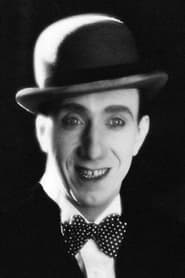
George Davis
Actor
Born: September 7, 1889 in Amsterdam, Netherlands Died: April 5, 1940 Active: 1923-1930
Films
7 films


About George Davis
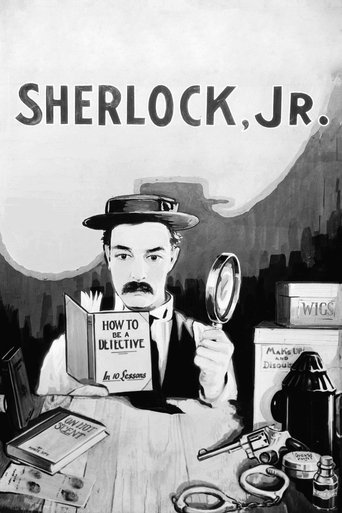
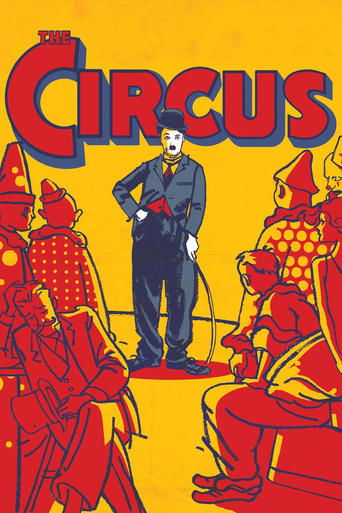
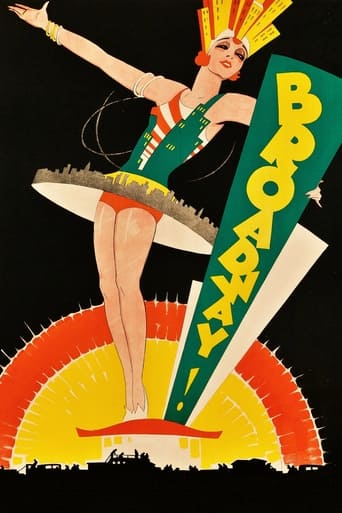
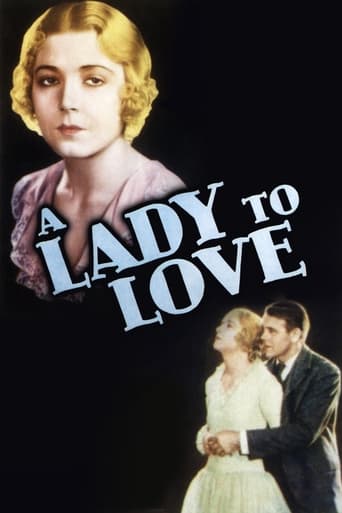
Prolific character actor during the silent era and early sound period of Hollywood, best known for his frequent collaborations with comedy legends Buster Keaton and Charlie Chaplin. Born in the Netherlands, Davis immigrated to the United States and began his film career in the early 1920s, quickly establishing himself as a reliable supporting player who could adapt to various roles. His distinctive appearance, often featuring a mustache and expressive face, made him a recognizable presence in numerous comedies and dramas of the era. Davis worked extensively with Buster Keaton, appearing in several of his classic films including 'Three Ages' and 'Sherlock Jr.,' where he demonstrated remarkable comedic timing and physical comedy skills. His role in Chaplin's 'The Circus' further cemented his reputation as a valuable supporting actor in major productions. As the transition to sound began, Davis successfully adapted to talkies, appearing in films like 'Broadway' and 'A Lady to Love' before his career began to wane in the early 1930s. Despite not achieving stardom, his contributions to classic cinema through his numerous supporting roles helped define the ensemble casts of silent comedy masterpieces.
The Craft
On Screen
George Davis specialized in character acting with a particular talent for physical comedy and expressive facial gestures. His style was well-suited for silent films, where he could convey emotions and humor through exaggerated expressions and body language. Davis often played authority figures, villains, or comic relief characters, bringing a distinctive presence to each role. His ability to adapt his performance style to work with different comedy stars like Keaton and Chaplin demonstrated his versatility as an actor. In sound films, he maintained his visual comedy skills while adding vocal characterization to his repertoire.
Milestones
- Collaborated with Buster Keaton in multiple classic silent comedies
- Appeared in Charlie Chaplin's Academy Award-winning film 'The Circus'
- Successfully transitioned from silent films to early talkies
- Worked with major Hollywood studios during the golden age of silent comedy
- Established himself as a reliable character actor in over 50 films
Best Known For
Iconic Roles
Must-See Films
Accolades
Special Recognition
- Contributed to 'The Circus' which won Academy Award for Unique and Artistic Production
Working Relationships
Worked Often With
Studios
Why They Matter
Impact on Culture
George Davis contributed significantly to the golden age of silent comedy through his work with two of cinema's greatest comedians, Buster Keaton and Charlie Chaplin. His performances helped create the rich ensemble casts that defined classic silent comedies, providing essential support to the stars' comedic vision. Though never a leading man, Davis's work exemplified the importance of character actors in creating memorable film moments. His ability to seamlessly transition between working with different comedy stars demonstrated the professional craftsmanship that characterized Hollywood's studio system. Davis represents the countless skilled actors who formed the backbone of classic Hollywood productions, ensuring the success of films through their reliable and talented supporting performances.
Lasting Legacy
George Davis's legacy lies in his contributions to some of the most celebrated films of the silent era, particularly his collaborations with Buster Keaton and Charlie Chaplin. While not a household name, his work endures through the continued appreciation of classic films in which he appeared. Film historians and silent cinema enthusiasts recognize Davis as part of the essential supporting cast that helped define the visual language of silent comedy. His career shows the vital role character actors played in creating cinematic masterpieces. The preservation of films like 'The Circus' and 'Sherlock Jr.' ensures that Davis's performances continue to be studied and appreciated by new generations of film lovers.
Who They Inspired
As a supporting actor in groundbreaking comedies, George Davis influenced subsequent generations of character actors through his demonstrated versatility and reliability. His work with Keaton and Chaplin helped establish the template for effective supporting performances in comedy films. Davis's ability to adapt his style to complement different comedic stars provided a model for character actors working in ensemble casts. His successful transition from silent to sound films demonstrated the adaptability required for longevity in the film industry. While not widely recognized as an influencer, his professional approach and consistent performances set standards for supporting actors in Hollywood's golden age.
Off Screen
George Davis immigrated to the United States from the Netherlands in the early 20th century, seeking opportunities in the burgeoning film industry. He settled in Hollywood and became part of the vibrant community of European actors who found success in American cinema. Davis was known among his contemporaries as a reliable professional who could be counted on for consistent performances. His active years covered the critical transition period from silent films to sound, demonstrating his adaptability as an actor. Unfortunately, like many character actors of his era, his personal life details remain largely undocumented in historical records.
Education
Family
- Information not available in historical records
Did You Know?
- Born in the Netherlands but became a naturalized American citizen
- Appeared in multiple films that are now considered classics of silent cinema
- Worked with both Buster Keaton and Charlie Chaplin, two of the greatest silent comedians
- His film career coincided with the major transition from silent films to talkies
- Often played authority figures or antagonists in comedy films
- His distinctive appearance made him a recognizable face to movie audiences of the 1920s
- Like many character actors of his era, he frequently appeared uncredited or in minor roles
- His death in 1940 meant he did not live to see the full revival of interest in silent films
- Contributed to 'The Circus,' which was one of Chaplin's most acclaimed films
- Was part of the large community of European actors who found success in Hollywood
In Their Own Words
No documented famous quotes from George Davis
Frequently Asked Questions
Who was George Davis?
George Davis — credits here include Three Ages (1923), Sherlock Jr. (1924). Active 1923-1930.
What films is George Davis best known for?
Titles linked here include Three Ages (1923), Sherlock Jr. (1924).
When was George Davis born and when did he die?
Born September 7, 1889; died April 5, 1940.
What awards did George Davis win?
George Davis did not receive personal awards, but he contributed to 'The Circus' which won the Academy Award for Unique and Artistic Production.
What was George Davis's acting style?
Davis specialized in character acting with strong physical comedy skills and expressive facial gestures, making him particularly effective in silent films where visual performance was crucial.
Did George Davis work with famous directors?
Yes, Davis worked with comedy legends Buster Keaton and Charlie Chaplin, who both directed their own films, as well as other prominent directors of the silent era.
How did George Davis transition to sound films?
Davis successfully adapted to talkies, appearing in early sound films like 'Broadway' (1929) and 'A Lady to Love' (1930), though his career diminished in the early 1930s.