

The Circus
"Charlie, a wandering tramp, becomes a circus handyman - soon"
Keys: Space play/pause · ←/→ 10s · F fullscreen · M mute · </> speed
About this film
Charlie, a wandering tramp, becomes a circus handyman - soon the star of the show - and falls in love with the circus owner's stepdaughter.
Cast & crew
More films like this
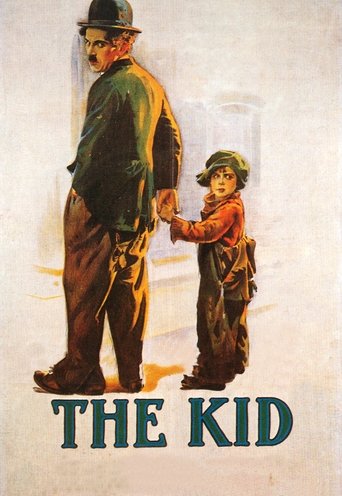
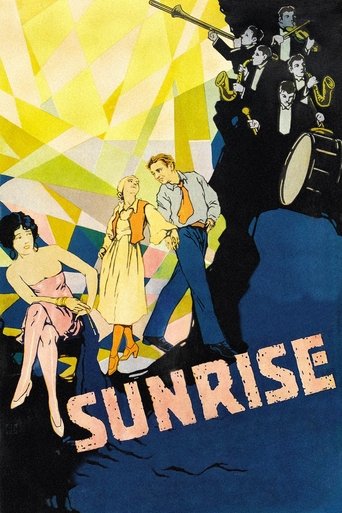
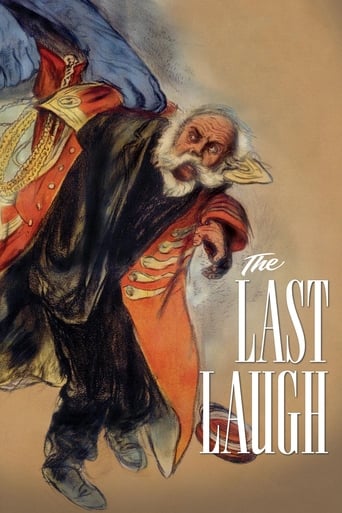
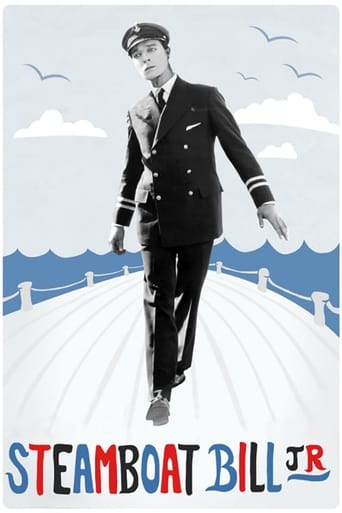
More Comedy films
View all →






More from Charlie Chaplin
View all →


More about this film
About the production
Release dateJanuary 6, 1928 (Hollywood premiere), January 27, 1928 (general release)
Budget$1.5 million (equivalent to approximately $24 million in 2023)
Box office$3.5 million (making it the 7th highest-grossing silent film of all time)
ProductionCharles Chaplin Productions, United Artists
Filmed inChaplin Studios, Hollywood, Los Angeles, California, Circus grounds in Culver City, California
The picture endured among the leading troubled productions in cinema history, taking over 18 months to complete. Chaplin faced personal crises including his mother's death, a contentious divorce, and a studio fire that destroyed sets and equipment. The tightrope sequence required 62 takes and was so dangerous that Chaplin's double, Henry Bergman, performed many of the riskiest shots. The circus was built to scale at Chaplin Studios with real circus performers and animals, creating an authentic atmosphere but adding to production complexity.
Themes
Alienation and lonelinessThe nature of entertainment and performanceUnrequited loveThe outsider in societyThe conflict between art and commerce
Themes & topics
circustrampclowntightrope walkingunrequited loveshow businessmistaken identityphysical comedyromantic trianglepovertyentertainmentperformance anxiety
Historical background
The Circus (1928) reached audiences through Charles Chaplin Productions in United States, when exhibitors still built programs from varied shorts and features rather than single-block bookings.
Why this film matters
Programmers and historians revisit The Circus (1928) because its story—charlie, a wandering tramp, becomes a circus handyman - soon the star of the show - and falls in love with the circus owner's stepdaughter—illustrates popular narrative habits and production norms of the period.
Making of
The production of The Circus became for its difficulties, beginning with Chaplin's contentious divorce from Lita Grey, who had been his second wife and the female lead in his previous film. The divorce proceedings became a public scandal, with Grey's lawyers attempting to seize Chaplin's assets and film footage. During filming, a mysterious fire destroyed Chaplin's studio, wiping out completed sets and expensive footage. Chaplin suffered a nervous breakdown during production and had to take a three-month break to recover. The tightrope sequence proved particularly challenging, requiring extensive planning and multiple takes. Chaplin, a perfectionist, reportedly reshot entire sequences months after principal photography, convinced he could improve them. the picture's troubled production coincided with Chaplin's increasing creative isolation and his growing obsession with artistic control, foreshadowing the even more difficult production of his next film, 'City Lights'.
What critics said
English-language trade reviews of The Circus are limited for 1928. Where notices survive, they stress pacing and photographic clarity; later criticism values the title as archival evidence of studio style.
Did you know?
- The Circus is the only Charlie Chaplin film to receive an Academy Award during the first ceremony, though it was in a unique category called 'Unique and Artistic Production' that was never given again
- During production, Chaplin's studio caught fire, destroying sets, props, and the original negative of footage already shot, forcing expensive reshoots
- the picture was Chaplin's most expensive production up to that point, costing nearly double his previous film 'The Gold Rush'
- Chaplin re-released the picture in 1969 with a new musical score and his own narration, removing intertitles except for the opening credits
- The tightrope walking sequence was so dangerous that Chaplin reportedly suffered from vertigo during filming and had to be coached by professional tightrope walkers
- Merna Kennedy was discovered by Chaplin when she was a friend of his second wife, Lita Grey, and this was her film debut
- The Circus was out of circulation for decades due to rights issues, only becoming widely available again in the 1970s
- Chaplin was simultaneously nominated for Best Actor, Best Director, and Best Writer for at the first Academy Awards, a feat not repeated until 1978
- The circus performers in the picture were actual working circus professionals, not actors, which contributed to the authentic atmosphere
- the picture's famous scene where Chaplin gets trapped in a lion's cage was filmed with real lions, though safety precautions were taken
- The Circus marked the last time Edna Purviance appeared in a significant role in a Chaplin film, though she would have brief cameos in later works
Awards & recognition
- Academy Award for Unique and Artistic Production (1929) - The only time this category was awarded
- Special Academy Award to Charlie Chaplin for writing, acting, directing, and producing The Circus (1929)
Visual style
The cinematography by Roland Totheroh and Gordon Pollock represents some of the most sophisticated visual work in silent comedy. The circus setting allowed for complex compositions using depth and multiple planes of action, with Chaplin often creating visual gags that play with foreground and background. The tightrope sequence features innovative camera angles that emphasize both the danger and comedy of the situation. the picture uses tracking shots and camera movement more extensively than Chaplin's earlier works, particularly in circus performance sequences. The lighting design creates dramatic contrasts between the bright world of the circus performance and the darker, more intimate moments backstage. The cinematography masterfully balances the spectacle of the circus with the intimate emotional moments, using visual techniques to enhance both comedy and pathos.
Innovations
The Circus pioneered several technical innovations in comedy filmmaking, particularly in its complex circus sequences. the picture's use of real circus performers and animals created unprecedented authenticity but also required innovative safety measures and camera techniques. The tightrope sequence required special camera rigs and careful timing to capture both the comedy and the apparent danger. Chaplin developed new techniques for filming in confined spaces, particularly in the mirror maze sequence where he had to avoid showing cameras and crew in reflections. the picture's elaborate production design, including a full-scale circus big top, represented a significant technical achievement for its time. The editing by Chaplin and Harry Carr demonstrates sophisticated comic timing, particularly in sequences where The Tramp's mishaps must be precisely synchronized with the circus performance.
Music
Originally released as a silent film with musical accompaniment provided by theaters, The Circus received its first official score when Chaplin re-released it in 1969. Chaplin composed this score himself, creating themes for the main characters and using music to emphasize emotional moments. The 1969 version also included Chaplin's narration, which he recorded at age 80, providing commentary on the action and filling in details that intertitles had originally conveyed. The original musical accompaniment would have varied by theater, but typically included popular songs of the era and classical pieces adapted for circus scenes. Chaplin's later score draws on his characteristic style of simple, memorable melodies that enhance both comedy and emotion, using leitmotifs for characters and situations throughout the picture.
Famous quotes
Life is a tragedy when seen in close-up, but a comedy in long-shot (narration from 1969 re-release)
I'm sorry, but I don't want to be an emperor. That's not my business (paraphrased from later Chaplin work but reflects Tramp's philosophy)
There's nothing wrong with being a clown. It's an honest living (circus ringmaster to The Tramp)
You can't help anyone if you can't help yourself (Merna to The Tramp)
Memorable scenes
- The Tramp accidentally becoming the star of the show when his attempts to escape a pursuing policeman create hilarious chaos during a performance
- The famous tightrope sequence where The Tramp, suspended by a harness, performs a comedy routine while monkeys crawl all over him
- The mirror maze scene where The Tramp encounters multiple reflections of himself, creating surreal visual comedy
- The emotional finale where The Tramp watches Merna and Rex ride away together, then walks alone down the road, kicking a stone in classic Chaplin fashion
- The lion's cage sequence where The Tramp is trapped with a sleeping lion, creating tension through minimal movement and timing
- The opening scene where The Tramp, fleeing the law, stumbles into a circus tent and inadvertently becomes part of the show
What audiences thought
The Circus was a tremendous commercial success, becoming one of the highest-grossing films of 1928 and proving that audiences would still embrace silent comedy even as sound films were gaining popularity. Audiences particularly loved the elaborate circus sequences and Chaplin's increasingly sophisticated blend of comedy and pathos. the picture's success was global, with Chaplin's international appeal stronger than ever. However, its release timing meant it was somewhat overshadowed by the excitement surrounding early sound films, and it didn't achieve the same lasting reputation as 'The Gold Rush' or later Chaplin films. Modern audiences rediscovered The Circus through revivals and home video, where it's appreciated as both a hilarious comedy and a poignant commentary on the nature of entertainment and loneliness.
Film connections
Influenced by
- Commedia dell'arte tradition of the clown as outsider
- French and German circus films of the 1920s
- Chaplin's earlier Tramp films
- Circus performance traditions of vaudeville
- Silent comedy masters Buster Keaton and Harold Lloyd
This film influenced
- La Strada (1954)
- 8½ (1963)
- The Great Dictator (1940)
- City Lights (1931)
- Modern Times (1936)
- The Last Laugh (1924)
- Limelight (1952)
- The Greatest Showman (2017)
Film restoration
The Circus has been fully preserved and restored by the Chaplin estate and film archives. The original negative was partially destroyed in the 1928 studio fire, but complete prints survived and have been used for restoration. The Criterion Collection released a comprehensive restoration in 2019, featuring both the original 1928 version and Chaplin's 1969 re-release with narration. the picture is preserved at the Library of Congress, the British Film Institute, and the Cinémathèque Française. Digital restoration has removed much of the damage and deterioration from age, while preserving the original cinematography and visual effects. The restoration work has ensured that this masterpiece of silent comedy will remain accessible for future generations.
Where to watch
- The Criterion Channel
- The Criterion Collection Blu-ray/DVD
- Kanopy (with library membership)
- HBO Max
- Amazon Prime Video (for rent/purchase)
- Apple TV
- Google Play Movies
- YouTube Movies
- FilmStruck archive collections
- MUBI (occasionally featured)