Steve Murphy
Actor
Born: December 5, 1888 in San Francisco, California, USA Died: November 16, 1958 Active: 1922-1938 Birth Name: Stephen Murphy
Films
5 films
About Steve Murphy
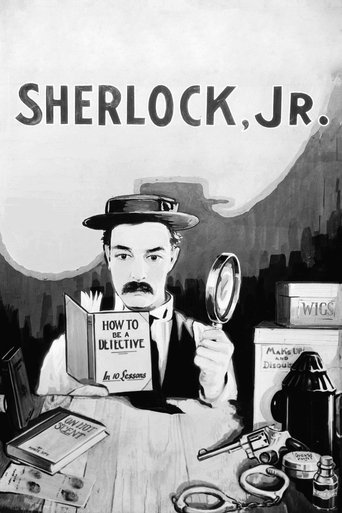
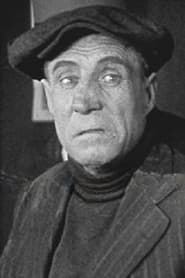
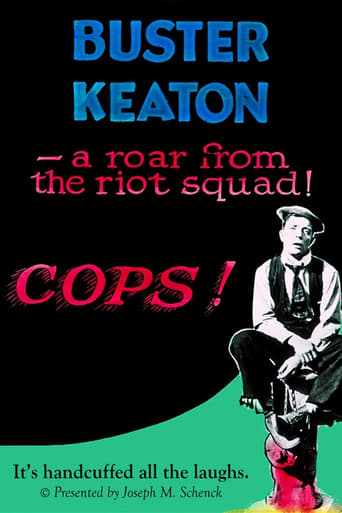
Prolific character actor during the silent film era, best known for his frequent collaborations with comedy legend Buster Keaton. Born in 1888 in San Francisco, Murphy began his film career in the early 1920s and quickly became a recognizable face in Hollywood comedies. His imposing physical presence and distinctive facial features made him ideal for playing authority figures, villains, and comic antagonists in numerous productions. Murphy appeared in many of Keaton's most celebrated works, including the classic shorts 'Cops' and 'Sherlock Jr.,' as well as the feature film 'The Circus.' His the peak years of silent comedy, though like many character actors of his era, his prominence diminished with the transition to sound films. Murphy continued acting in smaller roles through the 1930s before eventually retiring from the film industry. He passed away in 1958 in Los Angeles, leaving behind a legacy as familiar supporting faces in classic silent comedy.
The Craft
On Screen
Murphy specialized in playing straight men and authority figures with a perfect deadpan delivery. His imposing stature and serious demeanor provided excellent contrast to the physical comedy of stars like Buster Keaton. He had a remarkable ability to maintain a stern expression while chaos erupted around him, making him an ideal foil for comedic protagonists. Murphy's style relied on subtle reactions and minimal gestures, using his eyes and slight facial movements to convey humor without breaking character.
Milestones
- Frequent collaborator with Buster Keaton in his most iconic silent films
- Appeared in 'Cops' (1922), considered one of the greatest short comedies ever made
- Featured in 'Sherlock Jr.' (1924), now preserved in the National Film Registry
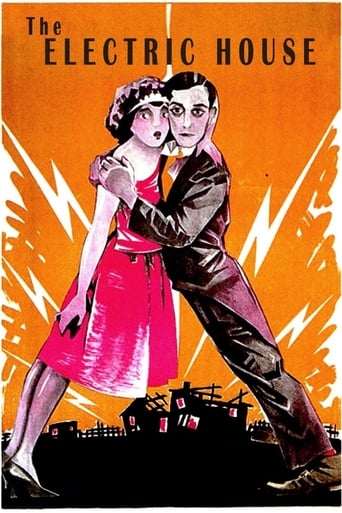
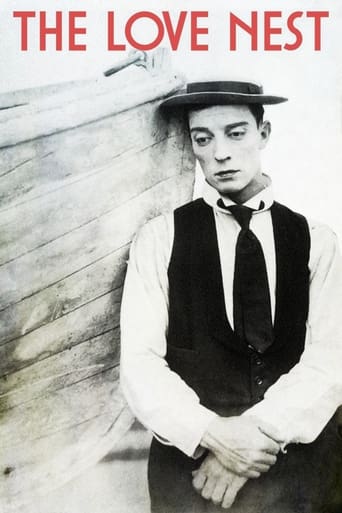
- Played memorable roles in 'The Electric House' (1922) and 'The Love Nest' (1923)
- Appeared in Charlie Chaplin's 'The Circus' (1928), which won Chaplin an honorary Academy Award
- Transitioned successfully to sound films in smaller character roles throughout the 1930s
Best Known For
Iconic Roles
Must-See Films
Accolades
Special Recognition
- Featured performer in films preserved in the National Film Registry ('Sherlock Jr.')
- Recognized as a key contributor to Buster Keaton's classic film legacy
Working Relationships
Worked Often With
Studios
Why They Matter
Impact on Culture
Steve Murphy represents the essential but often overlooked character actors who formed the backbone of silent comedy. While stars like Buster Keaton received the acclaim, performers like Murphy provided the crucial foundation that made the comedy work. His ability to play authority figures with just the right balance of sternness and vulnerability helped define the visual language of silent comedy. Murphy's work in films now considered classics ensures his contribution to cinema history is preserved, even if his name is not as widely recognized as the stars he supported.
Lasting Legacy
Steve Murphy's legacy lies in his contribution to some of the most celebrated comedies of the silent era. His performances in Buster Keaton's films continue to be studied and appreciated by film scholars and enthusiasts. Murphy exemplifies the craft of the character actor - someone who could consistently deliver exactly what a film needed without drawing attention away from the star. His work serves as a reminder that great cinema is built on the contributions of many talented individuals, not just the leading performers.
Who They Inspired
While Steve Murphy did not directly mentor future generations in a documented way, his performances influenced the archetype of the comic antagonist in film comedy. His ability to maintain dignity while being the butt of jokes set a standard for character actors in comedy. Modern character actors in comedy films owe a debt to pioneers like Murphy who established how to effectively support comedic stars while maintaining their own character integrity.
Off Screen
Steve Murphy maintained a relatively private personal life throughout his career. He was known among his contemporaries as a reliable professional who never sought the spotlight, preferring to let his work speak for itself. Murphy married in the 1920s and had one son. Unlike many Hollywood figures of his era, he avoided scandal and maintained a reputation for dependability on set. After retiring from acting, he lived quietly in Los Angeles until his death in 1958 at the age of 69.
Education
Limited information available, likely educated in San Francisco area before entering film industry
Family
- Unknown Murphy (1920s-1958)
Did You Know?
- Appeared in five of Buster Keaton's most celebrated films from 1922-1928
- His imposing height and build made him a natural choice for playing police officers and authority figures
- Like many silent film actors, his career declined significantly with the advent of sound pictures
- Murphy was part of Buster Keaton's regular troupe of character actors who appeared in multiple films
- He never received on-screen credit for most of his roles, as was common for supporting actors in silent films
- Murphy's deadpan expression became his trademark, making him instantly recognizable to film audiences
- He worked with both Buster Keaton and Charlie Chaplin, two of the greatest comedy filmmakers of all time
- Despite appearing in classic films, little personal information about Murphy survives in historical records
- His role in 'The Circus' (1928) marked one of his last significant film appearances before the transition to sound
- Murphy's ability to play both threatening and sympathetic authority figures made him highly versatile
In Their Own Words
No documented famous quotes - as a character actor, Murphy's performances were primarily visual and non-verbal, typical of silent film supporting players who conveyed emotion through expression and gesture rather than dialogue.
Frequently Asked Questions
Who was Steve Murphy?
Character with credits in this catalog. He appeared in many classic comedies from 1922-1928, often playing authority figures and antagonists with his distinctive deadpan style.
What films is Steve Murphy best known for?
Titles linked here include Cops (1922), The Electric House (1922).
When was Steve Murphy born and when did he die?
Born December 5, 1888; died November 16, 1958.
What awards did Steve Murphy win?
Steve Murphy did not receive major individual awards during his career, as was common for character actors of his era. However, he appeared in films that have since been recognized as classics, including 'Sherlock Jr.' which is preserved in the National Film Registry.
What was Steve Murphy's acting style?
Murphy specialized in deadpan comedy, using his imposing presence and stern expressions to create perfect foils for comedic stars. His style relied on subtle reactions and maintaining character dignity while chaos ensued around him.
Did Steve Murphy work with other famous comedians besides Buster Keaton?
Yes, besides his extensive work with Buster Keaton, Murphy also appeared in Charlie Chaplin's 'The Circus' (1928). His versatility made him a valuable supporting player for multiple comedy stars of the silent era.
What happened to Steve Murphy's career after the silent era?
Like many silent film actors, Murphy's career declined with the advent of sound pictures. He continued appearing in smaller roles through the 1930s but never regained the prominence he had during the silent era, eventually retiring from acting.