



The Electric House
"Botany graduate wires a house he cannot understand"
Keys: Space play/pause · ←/→ 10s · F fullscreen · M mute · </> speed
About this film
Botany major Buster mistakenly graduates in electrical engineering and is hired to wire a new home.
Cast & crew
More films like this

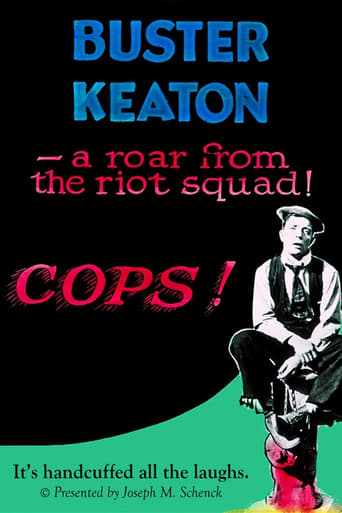
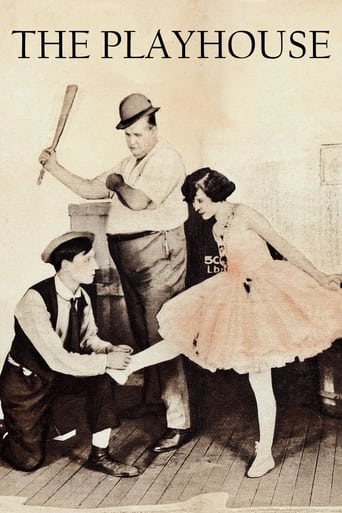
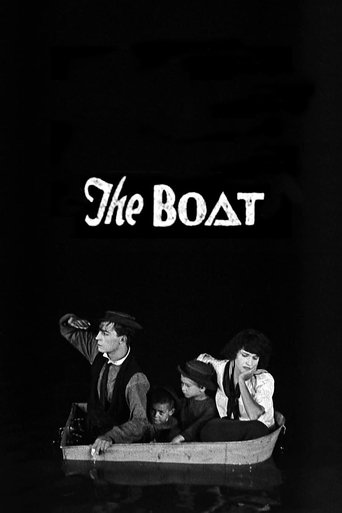
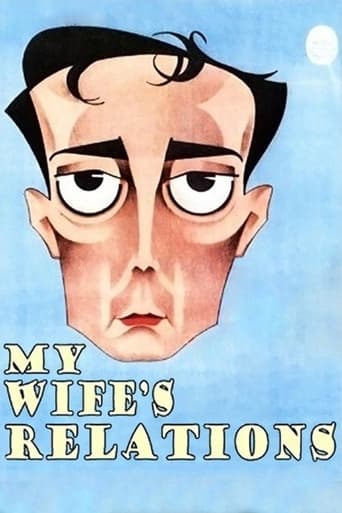

More Comedy films
View all →







More from Edward F. Cline
View all →

More about this film
About the production
Release dateOctober 1, 1922
ProductionBuster Keaton Productions
Filmed inLos Angeles, California
The film featured one of Keaton's most elaborate and dangerous mechanical sets. The automated staircase sequence required precise engineering and timing, with Keaton performing his own stunts. During filming, Keaton suffered a serious injury when a piece of the mechanical staircase malfunctioned, breaking his ankle. Despite the injury, he continued filming, which can be observed in his slight limp during some scenes. The electrical contraptions were real working mechanisms designed by Keaton and his team, showcasing his technical ingenuity alongside his comedic talent.
Themes
Technology anxietyHuman vs. machineModernizationIncompetence in expertiseDomestic disruption
Themes & topics
electrical engineeringmistaken identityhome automationmechanical failurephysical comedystuntssilent filmshort filmdestructiontechnologybotanygraduationwealthy familymoving staircasecomedy of errors
Historical background
Made during the studio era of 1922, The Electric House reached audiences through theatrical programs, fairground booths, or specialized distribution channels typical of its generation. Botany major Buster mistakenly graduates in electrical engineering and is hired to wire a new. Historians now read such works for what they reveal about production methods, national taste, and the expanding vocabulary of screen narrative.
Why this film matters
Archivists and programmers still screen The Electric House when tracing how popular entertainment evolved. Its subject—botany major buster mistakenly graduates in electrical engineering and is hired to wire a new—gives later viewers tangible evidence of what drew crowds in the silent period. Home video, restorations, and festival sidebars keep the title circulating among students of film history.
Making of
The production of 'The Electric House' was particularly challenging due to its complex mechanical requirements. Keaton and his team spent weeks designing and building the automated house set, which featured working electrical contraptions including a moving staircase, automated dining table, and mechanized pool table. The staircase sequence was especially dangerous, requiring Keaton to be strapped into a harness while the steps moved erratically beneath him. During one take, the mechanism malfunctioned, causing Keaton to fall and break his ankle. Despite the painful injury, Keaton insisted on completing the film, working through the pain and incorporating his limp into the character. The production team had to modify several scenes to accommodate his injury, though they managed to hide it effectively in most shots. The film's elaborate destruction finale required precise timing and coordination, with each electrical device failing in sequence to create the escalating chaos that became a Keaton trademark.
What critics said
Original trade coverage treated The Electric House as routine program filler rather than a landmark production—typical of steady studio output. Later criticism emphasizes preservation, stylistic comparison with contemporaries, and whatever cast or crew names later gained prominence. Contemporary writing is mostly historical: assessing completeness, influence, and place in a director's or studio's catalog.
Did you know?
- Buster Keaton broke his ankle during filming when a mechanical staircase malfunctioned, forcing him to walk with a limp for the remainder of production
- The film's elaborate electrical contraptions were real working machines, not props, demonstrating Keaton's engineering knowledge
- Joe Keaton, Buster's father, appears in the film as one of the moving men, continuing the family tradition of performing together
- The automated staircase sequence required weeks of rehearsal and precise timing to execute safely
- Virginia Fox, who plays the daughter, was a regular Keaton collaborator and appeared in several of his films during this period
- The film was part of a series of shorts Keaton produced for First National Pictures before moving to feature-length films
- Many of the electrical gags were inspired by real 1920s home automation trends, exaggerated for comedic effect
- Keaton performed all his own stunts, including dangerous sequences with the malfunctioning electrical equipment
- The film's destruction finale required multiple takes and careful choreography to achieve the escalating chaos
- The original negative was preserved by the Library of Congress and has been restored multiple times
Visual style
The cinematography by Elgin Lessley employed innovative techniques to capture the film's complex mechanical action. Wide shots were used to establish the house's layout and showcase the scale of the automated contraptions. The camera work during the staircase sequence required precise framing to follow Keaton's movement while maintaining visibility of the mechanical elements. Lessley utilized multiple camera angles during the destruction finale to capture the escalating chaos from different perspectives. The film features several long takes that emphasize the real-time nature of the mechanical gags, avoiding cuts that would reveal the trickery involved. The cinematography balances clarity of the physical comedy with dramatic compositions that highlight the increasingly absurd situation. Lighting techniques were employed to emphasize the electrical nature of the gags, with sparks and flashes adding visual interest to the mechanical failures.
Innovations
The film's most significant technical achievement was its elaborate mechanical set design, featuring real working electrical contraptions rather than simple props. The automated staircase represented a remarkable engineering feat, with moving steps, variable speeds, and safety mechanisms for Keaton's protection. The synchronized failure of multiple electrical devices in the finale required precise timing and coordination between mechanical effects and Keaton's performance. The film also demonstrated innovative uses of camera placement to capture complex physical comedy, particularly during the staircase sequence. The production team developed new techniques for safely executing dangerous stunts while maintaining the illusion of real danger. The film's special effects, while primitive by modern standards, were groundbreaking for their time and influenced later comedy filmmakers. The seamless integration of mechanical effects with live performance set a new standard for technical comedy in cinema.
Music
As a silent film, 'The Electric House' originally featured live musical accompaniment varying by theater. Typical scores included popular songs of the era and classical pieces synchronized to the on-screen action. The mechanical nature of the gags often inspired percussive musical elements, with theaters using sound effects to enhance the comedy. Modern restorations have featured newly composed scores by silent film specialists, often incorporating period-appropriate jazz and popular music. Some versions have included electronic elements to complement the film's technological theme, creating an interesting dialogue between the film's content and its musical accompaniment. The lack of synchronized dialogue actually enhances the film's universal appeal, allowing the physical comedy to transcend language barriers. Contemporary screenings often feature live organ or piano accompaniment, continuing the tradition of silent film exhibition.
Famous quotes
(Intertitle) 'Buster Keaton - Botany Major'
(Intertitle) 'Graduated with honors in Electrical Engineering'
(Intertitle) 'Your new home is completely electrified'
(Intertitle) 'Everything works by electricity'
(Intertitle) 'Just push this button'
Memorable scenes
- The automated staircase sequence where Keaton is carried up and down the moving steps while trying to deliver luggage, culminating in a dangerous fall that broke his ankle during filming
- The dinner scene where the automated table serves food mechanically, causing chaos as dishes fly across the room
- The pool table scene where the electrical system causes balls to launch unpredictably, sending Keaton and other characters diving for cover
- The spectacular finale where the entire house systematically destroys itself, with each electrical device failing in sequence while Keaton desperately tries to escape
- The graduation scene where Buster mistakenly receives the wrong diploma, setting up the entire premise with typical Keaton deadpan reaction
What audiences thought
The film was highly successful with contemporary audiences, who were delighted by its elaborate mechanical gags and Keaton's death-defying stunts. Theater owners reported strong attendance and enthusiastic audience reactions, particularly to the destruction finale. The film's theme of modern technology gone awry resonated with 1920s audiences experiencing rapid technological change in their daily lives. Modern audiences continue to appreciate the film's timeless humor and impressive physical comedy. The restored version has been popular at film festivals and revival screenings, often drawing laughter and applause for its spectacular stunts. Online platforms have introduced the film to new generations, with many viewers expressing amazement at the complexity of the mechanical gags and Keaton's courage in performing his own stunts. The film's availability on streaming services has helped maintain its popularity among classic film enthusiasts and newcomers to silent cinema.
Film connections
Influenced by
- Charlie Chaplin's mechanical gags
- Harold Lloyd's technological comedies
- Mack Sennett's slapstick tradition
- French comedy of errors
- Vaudeville mechanical acts
This film influenced
- Modern Times (1936)
- The Clock (1945)
- Home Alone (1990)
- Gremlins (1984)
- The Simpsons episodes with technology themes
- Wallace and Gromit shorts
- Jackie Chan's action comedies
Film restoration
The film is well-preserved with a complete 35mm negative held by the Library of Congress. It has undergone multiple restorations, most recently by The Criterion Collection and Kino Lorber. The restored versions feature improved image quality and newly commissioned musical scores. The film remains readily available through various home media releases and streaming platforms, ensuring its accessibility to modern audiences. No significant footage is known to be lost, making it among the leading complete examples of Keaton's short film work from this period.
Where to watch
- The Criterion Channel
- Kino Lorber Blu-ray collection 'The Buster Keaton Collection'
- YouTube (official uploads)
- Amazon Prime Video
- Tubi
- Pluto TV
- The Internet Archive
- Various DVD collections from Kino Lorber and Cohen Film Collection