
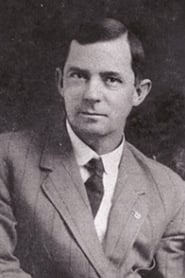
Joe Keaton
Actor
Born: July 6, 1855 in Dubuque, Iowa, USA Died: January 13, 1946 Active: 1870s-1929 Birth Name: Joseph Hallie Keaton
Films
13 films
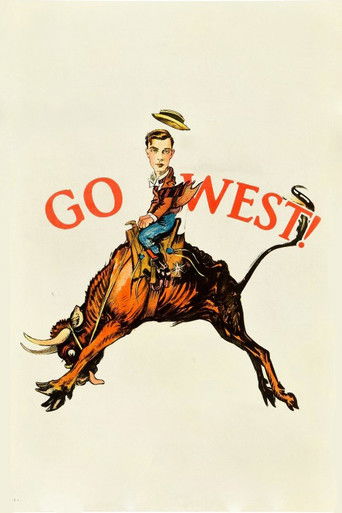
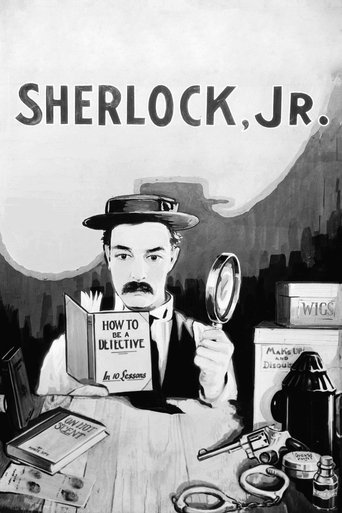
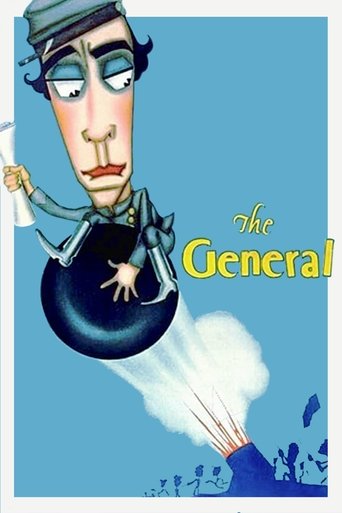
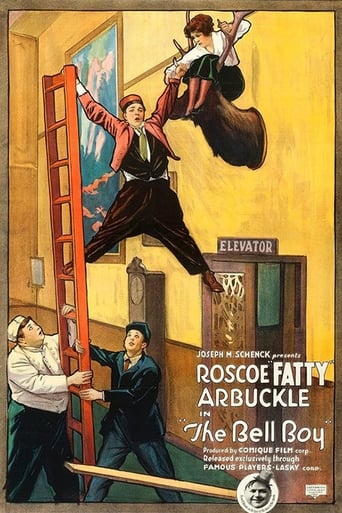
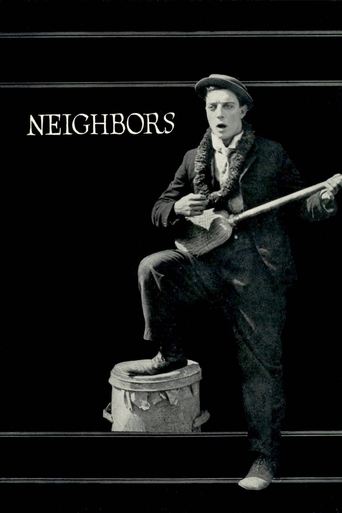
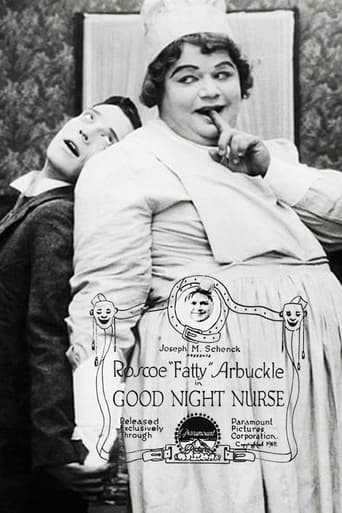
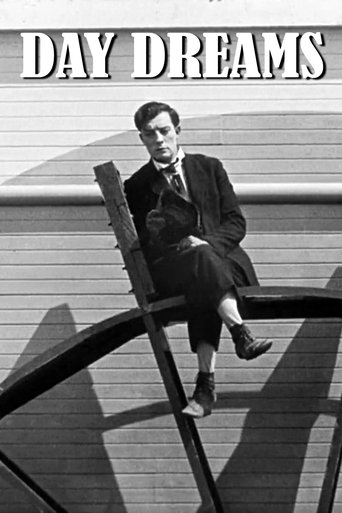
About Joe Keaton
Joseph Hallie Keaton, better known as Joe Keaton, was a vaudeville performer and silent film actor who in early American comedy. Born into a show business family, he began performing in medicine shows and circuses before forming the famous vaudeville act 'The Three Keatons' with his wife Myra and son Buster. Their act was known for its dangerous and innovative physical comedy, with Joe often throwing young Buster across the stage as part of their routine. When Buster transitioned to films in 1917, Joe followed and became a regular character actor in his son's silent comedies, typically playing authoritative figures, villains, or comic foils. Joe appears in over 20 of Buster's films between 1918 and 1926, including classics like 'The Scarecrow,' 'Convict 13,' and 'The General.' After the decline of silent films, Joe retired from performing but remained an influential figure in his son's career. His legacy lies in his contributions to both vaudeville and silent cinema, helping shape one of comedy's greatest talents.
The Craft
On Screen
Joe Keaton's acting style was rooted in vaudeville tradition, characterized by broad physical comedy, exaggerated expressions, and impeccable timing. He specialized in playing authoritarian figures with a comic twist, often portraying fathers, police officers, or officials whose stern demeanor was undermined by chaotic circumstances. His performances combined slapstick elements with a naturalistic approach that complemented his son Buster's more stoic style, creating a dynamic comedic contrast that enhanced their scenes together.
Milestones
- Co-founded 'The Three Keatons' vaudeville act with wife Myra and son Buster
- Pioneered dangerous physical comedy routines in vaudeville
- Transitioned successfully from vaudeville to silent film acting
- Appeared in over 20 Buster Keaton films as character actor
- Helped develop Buster Keaton's legendary 'Stone Face' persona
- Performed with Harry Houdini's traveling show early in career
Best Known For
Iconic Roles
Must-See Films
Accolades
Special Recognition
- Inducted into the International Vaudeville Hall of Fame
- Recognized as pioneer of American physical comedy
- Honored in Buster Keaton Museum exhibitions
Working Relationships
Worked Often With
Studios
Why They Matter
Impact on Culture
Joe Keaton's impact on American comedy extends far beyond his on-screen appearances. As a vaudeville pioneer, he helped establish the foundation for physical comedy that would influence generations of performers. His work with 'The Three Keatons' act demonstrated how family entertainment could push the boundaries of what was considered acceptable on stage, incorporating dangerous stunts and innovative choreography. By transitioning successfully from vaudeville to film, he represented the bridge between 19th-century stage entertainment and 20th-century cinema. His performances in Buster Keaton's films provided the perfect counterpoint to his son's deadpan style, creating a comedic dynamic that became influential in film comedy structure.
Lasting Legacy
Joe Keaton's legacy lives on primarily through his son Buster's monumental contributions to cinema, but his own influence on physical comedy cannot be overstated. He represents the generation of performers who brought vaudeville techniques to the silver screen, helping shape the language of silent film comedy. His approach to training Buster Keaton—combining rigorous physical discipline with creative freedom—created one of cinema's most unique and enduring comic personas. Modern comedians and stunt performers continue to benefit from techniques and safety methods that Joe helped develop during his decades in show business.
Who They Inspired
Joe Keaton influenced countless performers through his work in both vaudeville and film. His physical comedy techniques and understanding of timing directly impacted his son Buster's revolutionary approach to film comedy. The father-son dynamic they established influenced later comedy teams like the Marx Brothers and Laurel and Hardy. His method of integrating dangerous stunts with comedy paved the way for future action-comedy performers. Contemporary physical comedians and stunt performers still utilize principles of fall technique and comic timing that Joe helped perfect during his long career.
Off Screen
Joe Keaton married Myra Edith Cutler in 1885, and together they formed one of vaudeville's most successful family acts. Their son, Joseph Frank 'Buster' Keaton, became one of cinema's greatest comedians. Joe was known for his tough love approach to parenting, famously throwing young Buster across the stage as part of their act, which he claimed taught Buster how to take falls safely. After Myra's death in 1931, Joe lived with his son's family for several years. He spent his final years in California, passing away at age 90 in 1946, having witnessed the transition from vaudeville to the golden age of Hollywood.
Education
Limited formal education; trained in vaudeville and circus performance from childhood
Family
- Myra Edith Cutler (1885-1931)
Did You Know?
- According to family legend, Harry Houdini gave Buster Keaton his nickname after seeing baby Joe take a fall down a flight of stairs without injury, exclaiming 'That's a real buster!'
- Joe Keaton was part of the Mohawk Medicine Show before transitioning to vaudeville
- He claimed to have thrown Buster across the stage over 200 times during their vaudeville career
- The Three Keatons were once banned in several cities due to concerns about child safety in their act
- Joe stood 6'1" tall, making him an imposing figure compared to his 5'7" son Buster
- He appeared in Buster's first film 'The Butcher Boy' (1917) and his last silent film 'The General' (1926)
- Joe was known for his distinctive handlebar mustache, which became his trademark in films
- He continued performing in vaudeville even after Buster became a film star
- Joe taught Buster how to perform falls and stunts safely, a skill that became essential to Buster's film career
- In his later years, Joe worked as a security guard at MGM studios where his son was under contract
In Their Own Words
"The kid's got to learn to take a fall sometime. Better with me than on the street." - On teaching Buster stunt work
"Vaudeville teaches you timing. Film teaches you subtlety. You need both to be great." - On transitioning to film
"We weren't abusing the boy, we were training him. There's a difference." - Defending their vaudeville act
"Buster got his face from his mother and his timing from me." - On his son's talents
"The secret to comedy is surprise. The secret to stunts is preparation." - On performance philosophy
Frequently Asked Questions
Who was Joe Keaton?
Vaudeville performer and silent film with credits in this catalog. He was a key member of 'The Three Keatons' vaudeville act and appeared in over 20 of his son's silent films during the 1910s and 1920s.
What films is Joe Keaton best known for?
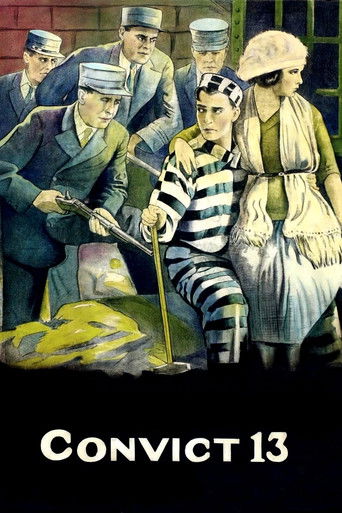
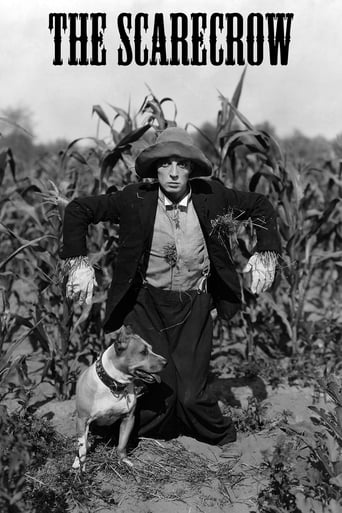
Titles linked here include The Scarecrow (1920), Convict 13 (1920).
When was Joe Keaton born and when did he die?
Born July 6, 1855; died January 13, 1946.
What awards did Joe Keaton win?
Joe Keaton did not receive major film awards during his career, but he was posthumously recognized as a pioneer of American vaudeville and physical comedy, with honors including induction into the International Vaudeville Hall of Fame.
What was Joe Keaton's acting style?
Joe Keaton's acting style was rooted in vaudeville tradition, featuring broad physical comedy, exaggerated expressions, and impeccable timing. He specialized in playing stern authority figures whose serious demeanor created comic contrast with the chaotic situations in Buster Keaton's films.
How did Joe Keaton influence Buster Keaton's career?
Joe Keaton was instrumental in shaping Buster Keaton's career by training him in vaudeville from childhood, teaching him stunt techniques and physical comedy skills. He provided the perfect comic foil in Buster's films and helped develop the deadpan style that made Buster famous.
Was Joe Keaton related to Harry Houdini?
Joe Keaton was not related to Harry Houdini, but they were friends and collaborators. Houdini reportedly gave Buster Keaton his nickname, and Joe performed with Houdini's traveling show early in his career.