
Day Dreams
"Letters home outrun the truth."
Keys: Space play/pause · ←/→ 10s · F fullscreen · M mute · </> speed
About this film
A young man leaves home to find city work to impress his sweetheart's father, writing letters that inflate his humble jobs into grand adventures. His girlfriend imagines each mundane task as heroism while Buster Keaton's actual misadventures—including a famous ferry paddle-wheel gag—fall far short of the romanticized tales.
Cast & crew
More films like this

More Comedy films
View all →







More from Edward F. Cline
View all →

More about this film
About the production
Release dateSeptember 24, 1922
Box officeUnknown - box office records for silent short films from this period are incomplete
ProductionBuster Keaton Productions
Filmed inLos Angeles, California, Hollywood, California
The film was produced during Keaton's most productive period at Metro Pictures Corporation. Like many of Keaton's films of this era, it featured elaborate physical comedy sequences that required precise timing and dangerous stunts. The film's structure, contrasting reality with fantasy through the letters home, was innovative for its time and allowed for creative visual storytelling.
Themes
Deception vs. RealityThe American DreamLove and CourtshipSocial Class and AspirationUrban Life and Opportunity
Themes & topics
silent comedydeceptionambitionromanceurban lifephysical comedylettersimagination vs realityjob huntingfamily approval
Historical background
Released around 1922, Day Dreams reached audiences while exhibitors were still shaping program length and star promotion.
Why this film matters
Festival and repertory screenings keep Day Dreams in circulation among silent- and classic-film communities.
Making of
The production of 'Day Dreams' took place during what many consider Buster Keaton's creative peak, a period when he had near-complete creative control over his films. Director Edward F. Cline, who had experience with both comedy and drama, helped Keaton craft the film's unique narrative structure that alternated between reality and fantasy. The filming of various job sequences required multiple location shoots around Los Angeles, which was unusual for short comedies of the time that were typically studio-bound. The garbage collection scene reportedly caused difficulties as the production had to coordinate with actual city sanitation departments. Keaton performed his own stunts throughout, including dangerous falls and physical comedy sequences that would become his trademark. The film's editing, particularly the transitions between reality and the imagined scenarios described in the letters, was considered sophisticated for its time and required careful planning to maintain comedic timing while clearly distinguishing between the two narrative threads.
What critics said
Specialist writers today emphasize preservation and access when a viewable copy of Day Dreams survives.
Did you know?
- This was one of the few films where Buster Keaton worked with director Edward F. Cline, who had previously co-directed Keaton's feature 'The Saphead' (1920)
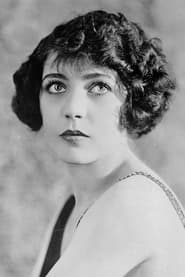
- Renée Adorée, who plays the love interest, would later become famous for her role in the epic war film 'The Big Parade' (1925)
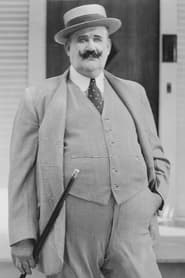
- Joe Roberts, who plays the girl's father, was a regular in Keaton's films during this period, appearing in ten of Keaton's shorts and features
- The film's premise of contrasting reality with fantasy through letters was considered innovative for silent comedy storytelling
- Many of the job sequences were filmed on location in Los Angeles, giving the film an authentic urban backdrop
- The theater sequence features Keaton working as an usher, a role he actually held in his youth before entering films
- The film was part of Keaton's 1922 output, which also included the classic features 'The Boat' and 'Cops'
- At 22 minutes, it was longer than typical two-reel comedies of the era, allowing for more developed comedic situations
- The film demonstrates Keaton's evolving approach to comedy, moving more toward narrative-driven stories rather than pure gag films
Visual style
The cinematography in Day Dreams was handled by Elgin Lessley and William H. McGann, both frequent collaborators with Keaton. The film features clear, well-composed shots that effectively capture both the physical comedy and the emotional reactions of the characters. The cinematography employs a variety of techniques to distinguish between reality and fantasy sequences, including different camera angles and lighting styles. The urban location shooting provides authentic period detail of 1920s Los Angeles, with street scenes, theaters, and residential areas captured in natural lighting that adds to the film's realism. The camera work during the physical comedy sequences is particularly noteworthy, maintaining clear visibility of Keaton's actions while building comedic tension. The film also makes effective use of close-ups, especially for Renée Adorée's reactions as she reads the letters, creating a visual contrast between her romantic imagination and Keaton's grim reality. The cinematography demonstrates the sophistication that had developed in silent film technique by 1922, moving beyond the static camera work of earlier cinema.
Innovations
Day Dreams demonstrates several technical achievements typical of Keaton's sophisticated approach to filmmaking. The film's innovative use of parallel narrative structure, cutting between reality and fantasy sequences, required careful editing to maintain clarity and comedic timing. The location shooting in various urban environments presented logistical challenges that the production overcame through careful planning and coordination. The physical comedy sequences, particularly those involving props and machinery, required precise timing between actors and technical elements. The film also makes effective use of special effects for the fantasy sequences described in the letters, using techniques such as superimposition and creative set design to visualize the imagined scenarios. The editing techniques used to transition between the different narrative threads were considered advanced for the time, helping to establish a clear distinction between reality and fantasy while maintaining narrative flow. The film's technical sophistication reflects Keaton's reputation as a meticulous filmmaker who understood both the artistic and technical aspects of cinema production.
Music
As a silent film, Day Dreams would have been accompanied by live musical performance during its original theatrical run. The typical accompaniment would have included a pianist or small orchestra in larger theaters, with music selected to match the mood of each scene. Comedic sequences would have been scored with light, playful music, while the romantic elements would have featured more sentimental themes. The contrast between reality and fantasy sequences would have been emphasized through different musical styles. Modern restorations and screenings of the film typically feature newly composed scores by silent film accompanists like Ben Model or Robert Israel, who create period-appropriate music that enhances the film's comedy and emotional moments. Some contemporary screenings feature improvised accompaniment that responds directly to the on-screen action, maintaining the tradition of live musical performance that was essential to the silent film experience. The absence of recorded dialogue makes the visual comedy and physical timing even more crucial, with the music serving to guide audience emotions and highlight the film's narrative structure.
Memorable scenes
- The garbage collection sequence where Keaton struggles with overflowing trash cans while his letter describes him as a 'sanitary engineer'
- The theater usher scene where Keaton accidentally creates chaos during a performance
- The streetcar conductor sequence featuring Keaton's attempts to manage passengers and collect fares
- The final revelation scene where the truth about Keaton's employment is exposed
What audiences thought
Audiences in 1922 responded positively to Day Dreams, which was successful enough to warrant wide distribution through Metro Pictures' network. The film's relatable premise of trying to impress a love interest's family resonated with contemporary viewers, while Keaton's physical comedy provided the entertainment value expected from his films. The contrast between the character's actual humiliating jobs and his exaggerated letters home created a comedic dynamic that audiences found particularly amusing. Modern audiences rediscovering the film through revivals and home video have appreciated its cleverness and Keaton's masterful physical comedy. The film's relatively short runtime and clear visual storytelling make it accessible to modern viewers who might be less familiar with silent cinema conventions. The film continues to be featured in Keaton retrospectives and silent comedy festivals, where it consistently receives positive responses from both longtime fans and newcomers to silent film.
Film connections
Influenced by
- Earlier Keaton shorts that explored similar themes of everyday struggles
- Comedic traditions of vaudeville and stage performance
- Contemporary newspaper comic strips that used similar contrast between reality and fantasy
- Charlie Chaplin's approach to blending comedy with social commentary
This film influenced
- Later Keaton films that used similar narrative structures
- Comedy films that contrasted character perceptions with reality
- Modern romantic comedies that use deception as a plot device
Film restoration
Day Dreams survives in complete form and has been preserved by film archives including the Library of Congress and the Museum of Modern Art. The film exists in 35mm prints and has been digitally restored for modern viewing. Some early prints show signs of deterioration typical of nitrate film, but preservation efforts have ensured the film's survival. The restored versions feature improved image quality and stability compared to earlier circulating prints. The film is part of various Buster Keaton collections and has been released on DVD and Blu-ray through distributors like Kino Lorber, ensuring its accessibility to modern audiences.
Where to watch
- The Criterion Channel (as part of Buster Keaton collections)
- Kino Lorber DVD and Blu-ray releases
- Various streaming services specializing in classic cinema
- Film archive screenings and silent film festivals
- Public domain versions available on some free streaming platforms (though quality may vary)