
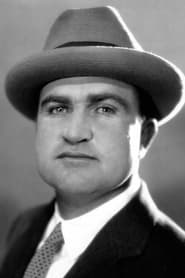
Edward F. Cline
Actor & Director
Born: November 24, 1886 in Kenosha, Wisconsin, USA Died: May 22, 1961 Active: 1914-1935 Birth Name: Edward Francis Cline
Films
34 films
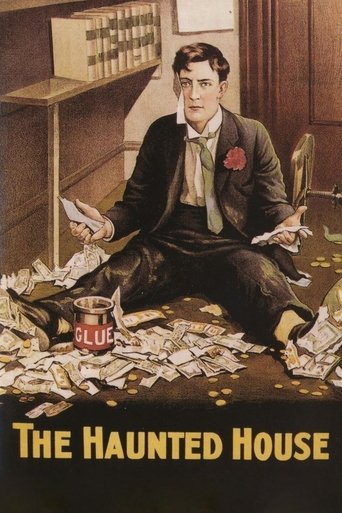
The Haunted House
1921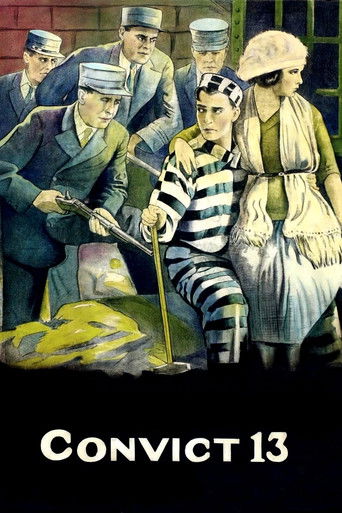
Convict 13
1920
Mabel's Blunder
1914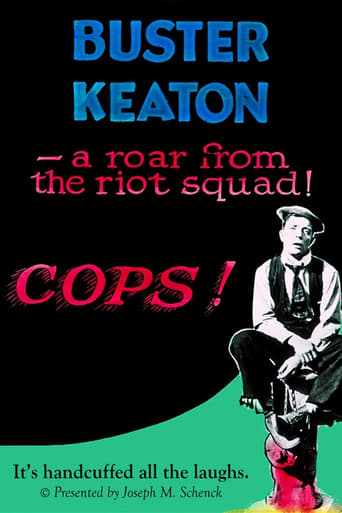
Cops
1922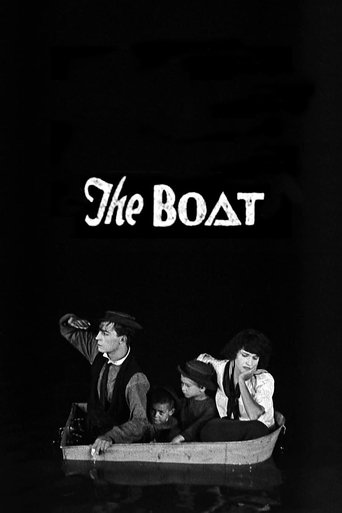
The Boat
1921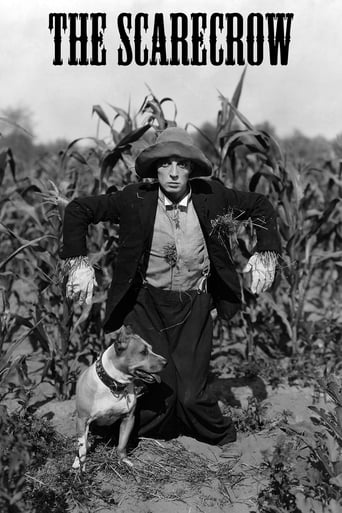
The Scarecrow
1920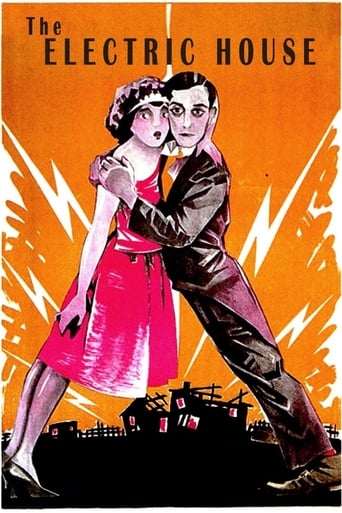
The Electric House
1922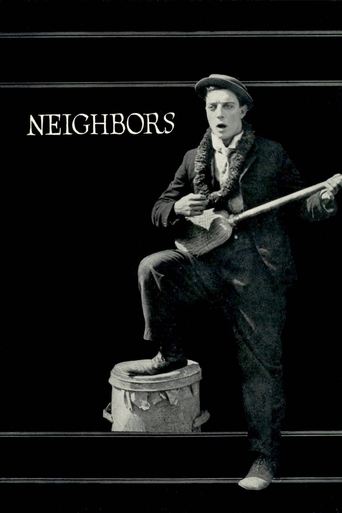
Neighbors
1920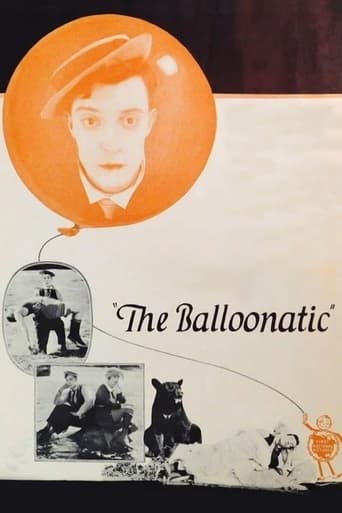
The Balloonatic
1923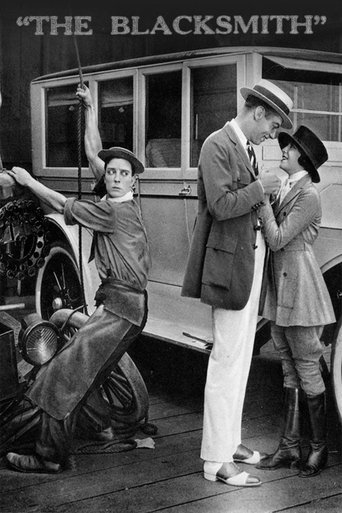
The Blacksmith
1922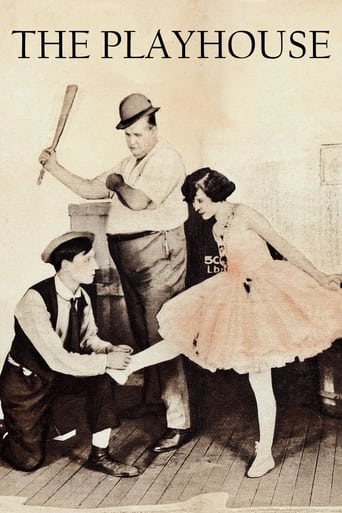
The Play House
1921
The Frozen North
1922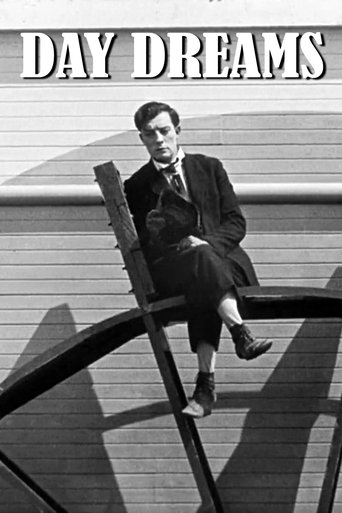
Day Dreams
1922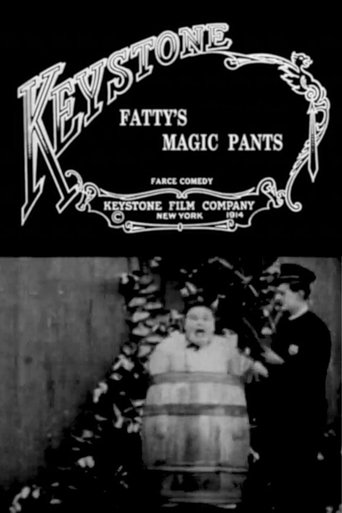
Fatty's Magic Pants
1914
Captain January
1924
Hook, Line and Sinker
1930
The High Sign
1921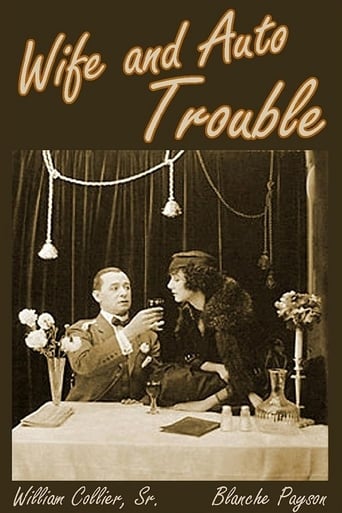
Wife and Auto Trouble
1916
Hearts and Flowers
1919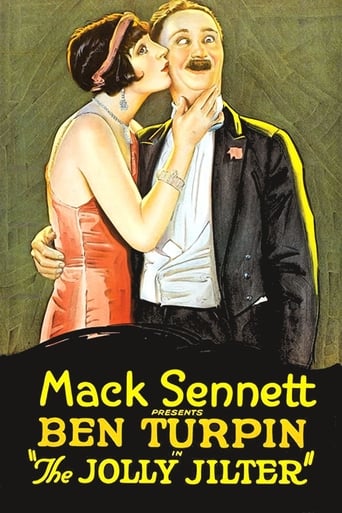
The Jolly Jilter
1927
Broke in China
1927No Poster
A Small Town Princess
1927
Hotsy-Totsy
1925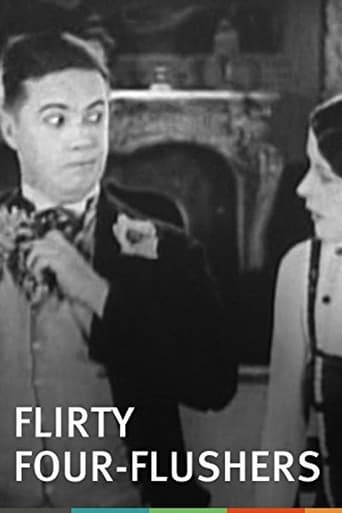
Flirty Four-Flushers
1926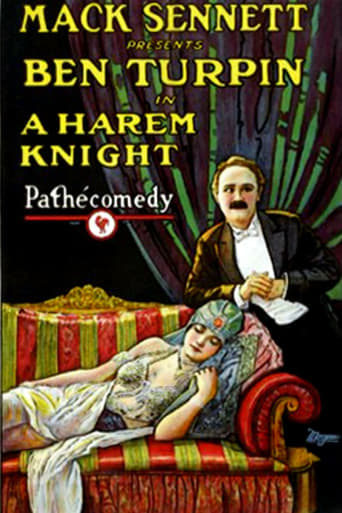
A Harem Knight
1926
Three Ages
1923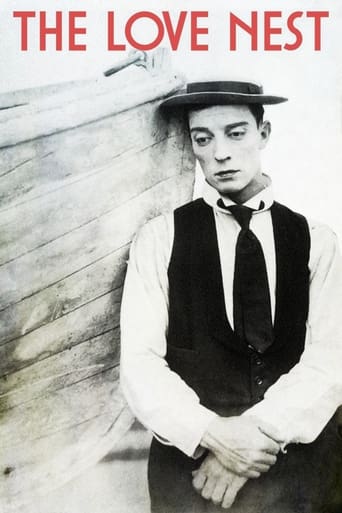
The Love Nest
1923
Peck's Bad Boy
1934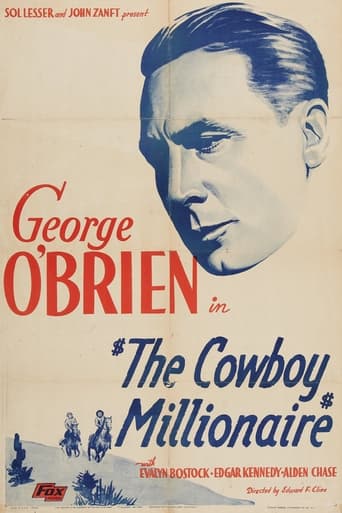
The Cowboy Millionaire
1935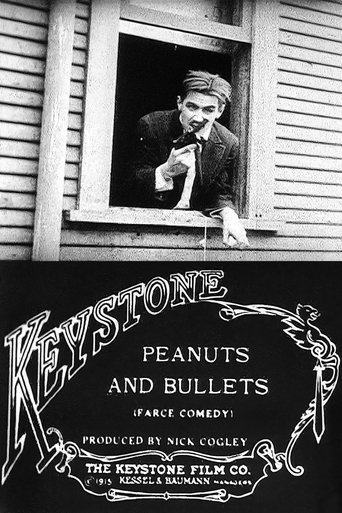
Peanuts and Bullets
1915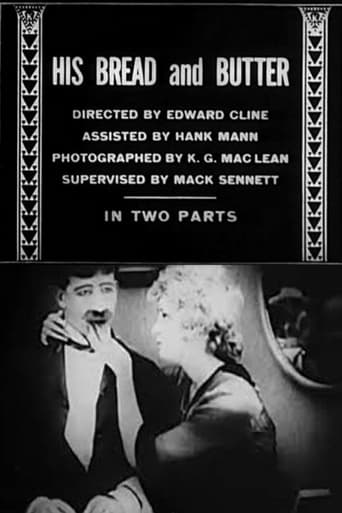
His Bread and Butter
1916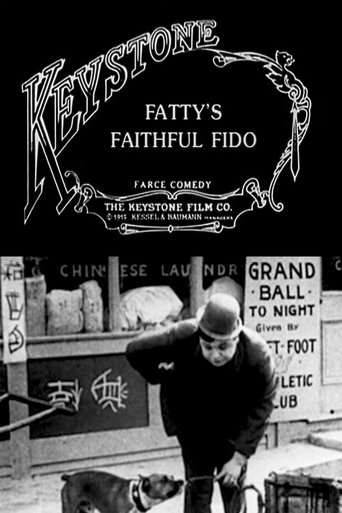
Fatty’s Faithful Fido
1915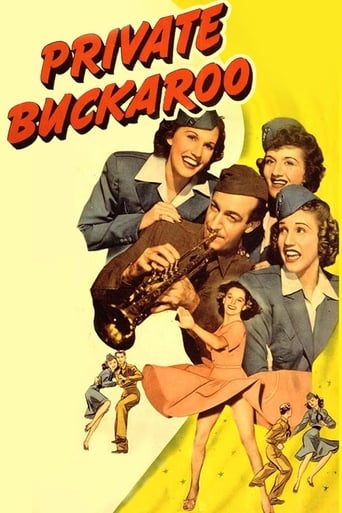
Private Buckaroo
1942About Edward F. Cline
Edward F. Cline began his career in the film industry during the early 1910s as an actor in Mack Sennett comedies, appearing alongside stars like Charlie Chaplin and Mabel Normand. He transitioned to directing around 1916 and quickly established himself as a skilled comedy director, working with some of the biggest names in silent comedy. His most significant collaboration was with Buster Keaton, co-directing and directing many of Keaton's most celebrated short films between 1920-1923, including classics like 'The Scarecrow,' 'Convict 13,' and 'The Boat.' After his partnership with Keaton ended, Cline continued directing throughout the 1920s and 1930s, working with comedians like W.C. Fields and the Marx Brothers. He successfully made the transition to sound films, though his later work never quite matched the creative heights of his silent era achievements. Cline directed over 100 films during his career, showcasing remarkable versatility across different comedy styles. He retired from directing in the mid-1930s after a career spanning over two decades, leaving behind a legacy of influential comedy films that helped shape the golden age of Hollywood comedy.
The Craft
On Screen
As an actor, Cline specialized in physical comedy and supporting roles in silent shorts, often playing the straight man or comic foil to larger stars. His acting was characterized by exaggerated expressions and pratfalls typical of the Mack Sennett comedy style, with a particular talent for timing and physical gags that later informed his directing work.
Behind the Camera
Cline's directing style was marked by meticulous planning of visual gags, innovative camera techniques, and exceptional timing in physical comedy sequences. He had a keen eye for spatial relationships and was particularly skilled at orchestrating complex chase scenes and mechanical gags. His collaboration with Buster Keaton produced some of the most technically sophisticated comedies of the silent era, featuring elaborate props and precisely timed stunts.
Milestones
- Transition from actor to director at Mack Sennett Studios
- Co-directed Buster Keaton's classic short films (1920-1923)
- Directed W.C. Fields in 'The Golf Specialist' (1930)
- Worked with the Marx Brothers on 'Duck Soup' (1933) as gag writer
- Successfully transitioned from silent to sound films
- Directed over 100 films in a 21-year career
Best Known For
Iconic Roles
Must-See Films
Accolades
Special Recognition
- Star on Hollywood Walk of Fame for contributions to motion pictures
Working Relationships
Worked Often With
Studios
Why They Matter
Impact on Culture
Edward F. Cline's work with Buster Keaton helped define the golden age of silent comedy, creating films that continue to influence comedy directors today. His technical innovations in camera work and gag construction pushed the boundaries of what was possible in visual comedy. The films he co-directed with Keaton are now considered masterpieces of cinematic art, studied in film schools worldwide for their perfect timing and inventive visual humor. His ability to seamlessly blend physical comedy with narrative storytelling helped establish conventions that would dominate Hollywood comedy for decades.
Lasting Legacy
Cline's legacy lives on through the timeless comedy classics he created with Buster Keaton, which continue to entertain audiences over a century later. His directorial techniques and gag constructions influenced generations of comedy filmmakers, from Jacques Tati to modern physical comedians. The precision and creativity of his work helped elevate silent comedy from simple slapstick to sophisticated cinematic art. While often overshadowed by his more famous collaborators, film historians recognize Cline as a crucial architect of some of the most influential comedies ever made.
Who They Inspired
Cline's innovative approach to visual comedy and technical filmmaking influenced countless directors who followed. His work on complex mechanical gags and chase sequences set standards that would be emulated throughout Hollywood's golden age. Directors like Jacques Tati, Chuck Jones, and even modern filmmakers like Edgar Wright have drawn inspiration from the precise timing and visual wit that Cline helped perfect. His collaboration method with Keaton, allowing the star creative freedom while maintaining technical control, became a model for director-star partnerships in comedy.
Off Screen
Edward F. Cline married actress and screenwriter Eva Thatcher in 1917, and their marriage lasted until her death in 1957. The couple had no children. Cline was known as a quiet, professional director who preferred to let his work speak for itself. He lived in Hollywood for most of his career and was well-respected within the industry for his technical expertise and reliability. After retiring from directing, he lived a relatively private life until his death from a heart attack in 1961 at the age of 74.
Education
Limited formal education, largely self-taught in filmmaking through practical experience in the early film industry
Family
- Eva Thatcher (1917-1957)
Did You Know?
- Began his film career as an extra in D.W. Griffith films
- Worked as a gag writer for the Marx Brothers on 'Duck Soup'
- Was one of the few directors who could keep up with Buster Keaton's technical demands
- Often performed dangerous stunts himself to test their feasibility
- Directed the first film appearance of the Three Stooges as a group
- Was known for his meticulous pre-planning of complex gags
- Survived the transition from silent to sound films better than many of his contemporaries
- His films with Keaton were shot in sequence rather than out of order, unusual for the time
- Was a skilled amateur photographer in his personal life
- Retired from directing relatively early at age 49
In Their Own Words
In comedy, timing isn't everything - it's the only thing
The best gags are the ones that look simple but took weeks to plan
Working with Keaton was like being a chess partner to a grandmaster
Frequently Asked Questions
Who was Edward F. Cline?
American actor and on YTB.my. He is best known for his collaborations with Buster Keaton, co-directing many of Keaton's classic short films that are now considered masterpieces of silent comedy.
What films is Edward F. Cline best known for?
Titles linked here include The Scarecrow (1920), Convict 13 (1920).
When was Edward F. Cline born and when did he die?
Born November 24, 1886; died May 22, 1961.
What awards did Edward F. Cline win?
While Edward F. Cline did not receive major awards during his lifetime, he was honored with a star on the Hollywood Walk of Fame for his significant contributions to motion pictures, particularly in the comedy genre.
What was Edward F. Cline's directing style?
Cline's directing style was characterized by meticulous planning of visual gags, exceptional timing in physical comedy, and innovative camera techniques. He excelled at orchestrating complex chase sequences and mechanical gags, particularly evident in his collaborations with Buster Keaton where technical precision met creative humor.