
The Scarecrow
"Two farmhands compete for the love of the farmer's daughter."
Keys: Space play/pause · ←/→ 10s · F fullscreen · M mute · </> speed
About this film
Two farmhands compete for the love of the farmer's daughter.
Cast & crew
More films like this

More Comedy films
View all →







More from Edward F. Cline
View all →

More about this film
About the production
Release dateOctober 17, 1920
Box officeNot well documented for individual shorts of this period, but Keaton's films were highly profitable for the studio
ProductionBuster Keaton Productions, First National Exhibitors' Circuit
Filmed inLos Angeles, California, Keaton Studio in Hollywood
The film features one of Keaton's most elaborate mechanical sets, with the farmhouse interior containing numerous interconnected devices that operated on a system of pulleys, levers, and counterweights. The famous 'table-to-bed' transformation sequence required extensive rehearsal and precise timing. Keaton and his team spent weeks designing and building the mechanical house set, which became especially memorable technical achievements of his early career.
Themes
Mechanization and modernityCompetition and rivalryEfficiency and innovationRural life vs. progressHuman ingenuity
Themes & topics
farmcompetitionmechanical deviceslove trianglechaseweddingphysical comedysilent filmshort filmBuster Keaton1920srural setting
Historical background
By 1920, distribution was widening and The Scarecrow reached audiences through the theatrical channels dominant before television.
Why this film matters
Restorations and festival bookings keep The Scarecrow visible among classic-film communities.
Making of
The production of 'The Scarecrow' showcased Buster Keaton's meticulous approach to comedy filmmaking. The mechanical house set was the most ambitious element of the production, requiring weeks of design and construction. Keaton and his team of prop masters created a system where a single action could trigger multiple reactions throughout the room. The famous sequence where Keaton transforms his table into a bed required perfect timing and coordination between Keaton and several off-camera operators. Edward F. Cline, who had extensive experience in comedy direction, worked closely with Keaton to choreograph the complex physical gags. The film was shot during a period when Keaton was transitioning from shorts to features, and it demonstrates the increasing sophistication of his filmmaking techniques. The chase sequences were filmed on location in rural California, with the production team facing challenges in coordinating the various vehicles and animals involved in the scenes.
What critics said
Audience data from 1920 is sparse; reception for The Scarecrow is inferred from reissue and archival interest.
Did you know?
- The mechanical house sequence was so complex that it required multiple takes and careful coordination of several prop operators working off-camera.
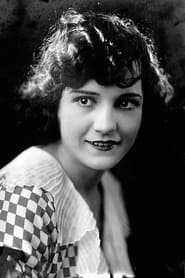
- Sybil Seely, who played the farmer's daughter, was one of Keaton's most frequent collaborators during this period, appearing in several of his 1920 shorts.
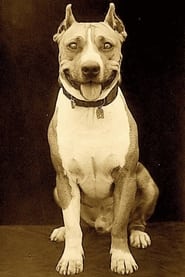
- The dog in the film was named Luke and was a regular in Keaton's films, trained to perform specific comedic actions.
- The hot air balloon sequence was filmed using actual hot air balloons, with Keaton performing his own stunts despite the inherent dangers.
- The film's title was originally going to be 'The Farmhand' but was changed to 'The Scarecrow' to better reflect the rural setting and Keaton's character.
- Edward F. Cline, credited as co-director, was a frequent collaborator with Keaton and helped develop many of the film's complex gags.
- The film was shot in just a few days, proof of Keaton's efficient production methods and his team's expertise.
- The mechanical house set was so innovative that other studios attempted to copy similar concepts in their comedies.
- Keaton performed all his own stunts, including several dangerous falls and physical interactions with the mechanical devices.
- The film was preserved by the Library of Congress and selected for the National Film Registry in 2020 for its cultural and historical significance.
Awards & recognition
- Selected for preservation in the National Film Registry (2020)
Visual style
The cinematography by Elgin Lessley demonstrates remarkable technical sophistication for 1920. The camera work in the mechanical house sequence required precise framing to capture the interconnected actions of various devices. Lessley employed innovative camera techniques to emphasize the spatial relationships between different mechanical elements. The chase sequences feature dynamic camera movement that was advanced for the period, including tracking shots that follow Keaton's character through various obstacles. The lighting design effectively highlights the mechanical contraptions while maintaining the film's comedic tone. The cinematography successfully balances the need to clearly show complex mechanical actions with the requirements of visual comedy. The film's visual style influenced many subsequent comedy films, particularly in its use of wide shots to establish spatial relationships and close-ups to highlight specific gags.
Innovations
The Scarecrow features several groundbreaking technical achievements for 1920. The mechanical house set represents among the leading complex practical effects of the silent era, with numerous interconnected devices operating in precise synchronization. The film's production team developed innovative pulley and counterweight systems to create the seamless transformations seen on screen. The chase sequences employed sophisticated camera techniques and stunt coordination that pushed the boundaries of what was possible in early cinema. The film demonstrates Keaton's mastery of long takes and continuous action, with many gags performed in single uninterrupted shots. The special effects, while practical rather than optical, required extensive engineering and testing. The film's technical innovations influenced subsequent comedy productions and established new standards for mechanical effects in cinema. The precision timing required for the mechanical house sequence was particularly remarkable, considering the lack of modern editing capabilities.
Music
As a silent film, 'The Scarecrow' was originally accompanied by live musical performances in theaters. The typical score would have included popular songs of the era, classical pieces, and original compositions tailored to the on-screen action. For the mechanical house sequence, theaters often used ragtime or novelty music to emphasize the comedic timing of the devices. Modern restorations of the film feature newly composed scores by silent film specialists, including organ-based accompaniments that recreate the authentic theater experience of the 1920s. Some contemporary versions feature orchestral arrangements that enhance the film's mechanical themes. The absence of dialogue in the film makes the musical accompaniment particularly important in establishing rhythm and timing for the comedy. The choice of music significantly affects the viewing experience, with different accompaniments highlighting various aspects of the film's humor and technical innovation.
Famous quotes
(Silent film - no dialogue, but famous visual gags include the mechanical house transformation sequence and Keaton's deadpan reactions to chaos)
The film's most famous 'quote' is visual: Keaton's stone-faced expression as he navigates increasingly impossible mechanical contraptions
Memorable scenes
- The opening mechanical house sequence where Keaton transforms his table into a bed and demonstrates the interconnected efficiency of his living space
- The chase scene involving the dog, hot air balloon, and various farm equipment
- The wedding sequence where everything goes comically wrong
- Keaton's escape from the farmhouse using various mechanical devices
- The final confrontation between the two rivals for the farmer's daughter
What audiences thought
The Scarecrow was extremely popular with audiences in 1920, who were captivated by its mechanical ingenuity and Keaton's unique comedic style. The film played to packed houses in theaters across the United States and was especially successful shorts in Keaton's 1920 output. Audience reaction to the mechanical house sequence was particularly enthusiastic, with many viewers requesting multiple viewings to fully appreciate the complex gags. The film's popularity helped establish Keaton as a major star capable of competing with Chaplin and Lloyd for comedy supremacy. Modern audiences continue to appreciate the film through revivals, film festivals, and home video releases. The film's availability on various streaming platforms has introduced it to new generations of viewers, who often express amazement at the sophistication of the mechanical effects achieved without modern technology. The film frequently appears in 'best of' lists for silent comedy and continues to garner positive responses from contemporary audiences.
Film connections
Influenced by
- Charlie Chaplin's early shorts
- Harold Lloyd's comedy style
- Mack Sennett's Keystone comedies
- French slapstick traditions
- Vaudeville performance techniques
This film influenced
- The General (1926)
- Steamboat Bill, Jr. (1928)
- Modern Times (1936)
- The Jerk (1979)
- Home Alone (1990)
- Jackie Chan's action comedies
- Mr. Bean's television series
Film restoration
The film is well-preserved and has been restored by various film archives including the Library of Congress. A high-quality restoration was completed as part of the Criterion Collection's Buster Keaton shorts collection. The film was selected for preservation in the United States National Film Registry in 2020, recognizing its cultural, historical, and aesthetic significance. Multiple 35mm prints exist in archives worldwide, and the film is readily available on digital platforms.
Where to watch
- The Criterion Channel
- Kino Lorber Blu-ray collection 'The Buster Keaton Collection'
- YouTube (official uploads)
- Amazon Prime Video
- Apple TV
- Google Play Movies
- Various streaming services specializing in classic cinema