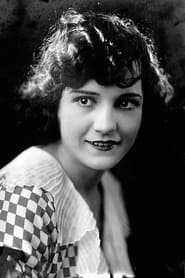
Sybil Seely
Actor
Born: January 2, 1900 in Los Angeles, California, USA Died: June 26, 1984 Active: 1920-1922 Birth Name: Sybil Travis Seely
Films
7 films

About Sybil Seely
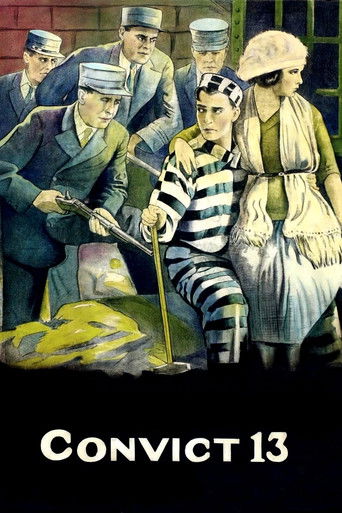
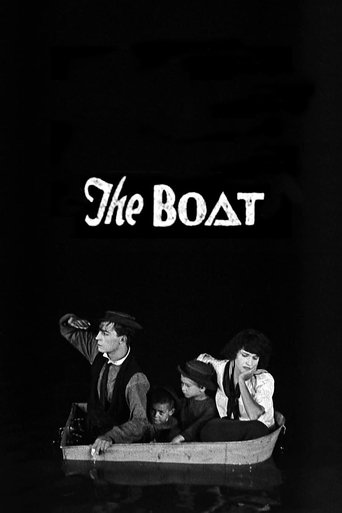
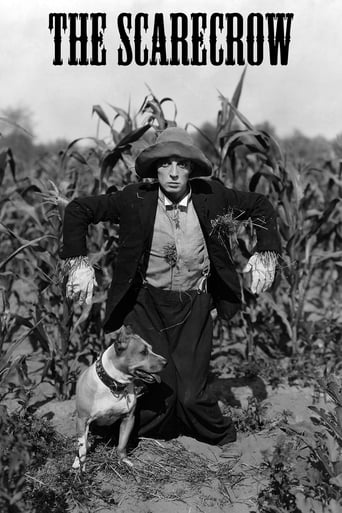
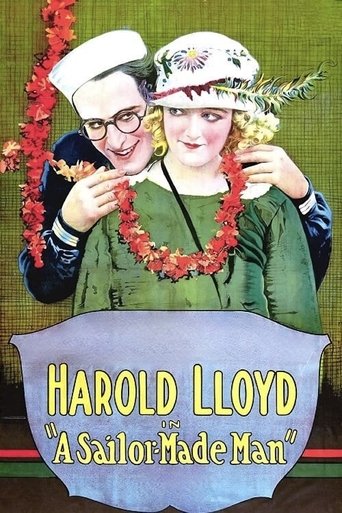
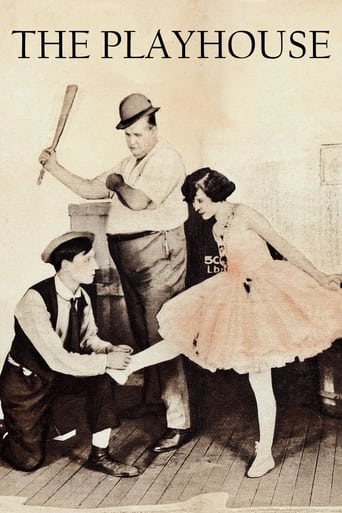
Silent film actress who had a brief but memorable career in the early 1920s, primarily known for her work as a leading lady in Buster Keaton's short comedies. She began her film career in 1920 and quickly became Keaton's preferred female co-star, appearing in several of his most celebrated short films during his peak creative period. Her performances were characterized by a natural comedic timing and the ability to hold her own alongside Keaton's acrobatic slapstick style. After her collaboration with Keaton ended, she appeared in Harold Lloyd's 'A Sailor-Made Man' (1921), one of his first feature-length films. Her career was remarkably brief, spanning only about two years before she retired from acting in 1922 at the age of 22. Following her retirement from films, she largely disappeared from public life, marrying and focusing on her family, making her one of Hollywood's more mysterious silent-era figures. Despite her short career, her appearances in some of the most silent comedies have ensured her place in film history.
The Craft
On Screen
Sybil Seely's acting style was characterized by natural comedic timing and physical comedy skills that complemented her slapstick co-stars. She possessed a wholesome girl-next-door quality that made her an ideal romantic lead in silent comedies, while also demonstrating impressive athletic abilities in chase sequences and sight gags. Unlike many silent actresses who relied heavily on exaggerated gestures, Seely's performances were notably subtle and realistic, helping ground the fantastical comedic situations. She showed remarkable versatility, able to play both the damsel in distress and the active participant in physical comedy with equal effectiveness.
Milestones
- Leading lady in Buster Keaton's classic short comedies (1920-1921)
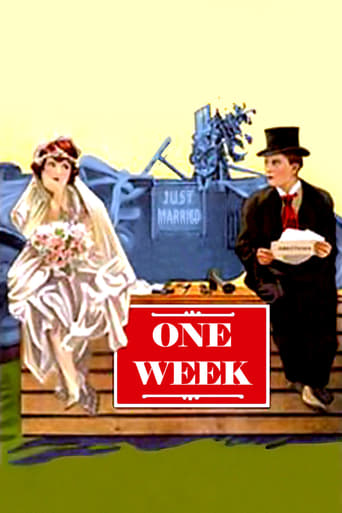
- Starred in 'One Week' (1920), considered one of Keaton's masterpieces
- Appeared in Harold Lloyd's first feature film 'A Sailor-Made Man' (1921)
- Worked with two of the silent era's greatest comedians during their peak years
- Retired from acting at the height of her brief career
Best Known For
Iconic Roles
Must-See Films
Working Relationships
Worked Often With
Studios
Why They Matter
Impact on Culture
Sybil Seely's cultural impact lies primarily in her contribution to some of the most celebrated silent comedies ever made. Her work with Buster Keaton helped define the golden age of American slapstick comedy, providing the perfect feminine counterpoint to Keaton's stone-faced antics. Films like 'One Week' and 'The Scarecrow' are now considered masterpieces of silent cinema, and Seely's performances are integral to their success. Her ability to participate fully in the physical comedy while maintaining her dignity and charm helped establish the template for female leads in comedy films. Though her career was brief, her appearances in these landmark films have been preserved and studied by film scholars and enthusiasts for generations.
Lasting Legacy
Sybil Seely's legacy is that of a talented actress who made a significant impact in a remarkably short time. She represents the many capable performers who contributed to Hollywood's golden age but chose to leave the industry for private life. Her work continues to be appreciated through film preservation societies, silent film festivals, and home video releases of classic comedies. Film historians often cite her as an example of the unsung talents who helped make silent comedy great, working alongside legends like Keaton and Lloyd. Her decision to retire so young has made her somewhat enigmatic, adding to her mystique among classic film enthusiasts who wonder what more she might have accomplished had she continued her career.
Who They Inspired
While Sybil Seely's brief career limited her direct influence on other performers, her work in classic comedies has been studied by subsequent generations of actors interested in physical comedy and silent film techniques. Her naturalistic style contrasted with the more exaggerated acting common in the era, prefiguring the more subtle approaches that would become standard in sound films. Her ability to be both funny and feminine while participating fully in slapstick routines helped expand the possibilities for women in comedy. Modern physical comedians and actresses studying silent film often point to her work as an example of effective comedic partnership and timing.
Off Screen
Sybil Seely married Jules H. Borkon, a theater owner, in 1925, three years after retiring from films. The couple had one daughter, Barbara, and remained married until Borkon's death in 1965. After her film career, Seely completely withdrew from public life and never returned to acting or gave interviews about her time in Hollywood. She lived a quiet life in Los Angeles for the remainder of her days, maintaining her privacy even as silent film retrospectives brought renewed attention to her work in the 1960s and 1970s. She passed away in 1984 at the age of 84, having spent over six decades away from the spotlight.
Family
- Jules H. Borkon (1925-1965)
Did You Know?
- Her entire film active years covered only two years, from 1920 to 1922
- She was only 20 years old when she made her film debut
- She appeared in five of Buster Keaton's most acclaimed short films
- Never gave interviews about her film career after retiring
- Her real name was Sybil Travis Seely, which she used professionally
- She married a theater owner rather than someone from the film industry
- Her daughter Barbara was born in 1926
- She lived to be 84 years old, outliving most of her silent film contemporaries
- Despite her brief career, she worked with three of silent comedy's biggest stars: Keaton, Lloyd, and Fatty Arbuckle
- She was one of the few actresses who could keep up with Keaton's dangerous stunt work
In Their Own Words
No recorded quotes exist from Sybil Seely as she never gave interviews about her film career
Frequently Asked Questions
Who was Sybil Seely?
Silent film actress best known for her roles as Buster Keaton's leading lady in several classic short comedies during 1920-1921. Despite having a career that lasted only two years, she appeared in some of the most celebrated silent comedies ever made before retiring at age 22.
What films is Sybil Seely best known for?
Titles linked here include One Week (1920), The Scarecrow (1920).
When was Sybil Seely born and when did she die?
Born January 2, 1900; died June 26, 1984.
What awards did Sybil Seely win?
Sybil Seely did not receive any major awards during her brief career. Her legacy comes from the lasting cultural impact of the classic films she appeared in rather than formal recognition.
What was Sybil Seely's acting style?
Sybil Seely's acting style was characterized by natural comedic timing and physical comedy skills. She had a wholesome girl-next-door quality while also being athletic enough to participate fully in slapstick routines, using subtle expressions rather than the exaggerated gestures common in silent films.
Why did Sybil Seely retire so young?
Sybil Seely retired from acting in 1922 at age 22, though the exact reason remains unclear. She married theater owner Jules Borkon in 1925 and chose to focus on family life, never returning to films or giving interviews about her career.
Did Sybil Seely work with other comedians besides Buster Keaton?
Yes, besides her famous collaborations with Buster Keaton, Sybil Seely also appeared with Harold Lloyd in 'A Sailor-Made Man' (1921) and worked with Roscoe 'Fatty' Arbuckle in 'The Garage' (1920).