The Play House
"From the dream theater peopled"
Keys: Space play/pause · ←/→ 10s · F fullscreen · M mute · </> speed
About this film
After waking from the dream of a theater peopled entirely by numerous Buster Keatons, a lowly stage hand causes havoc everywhere he works.
Cast & crew
More films like this
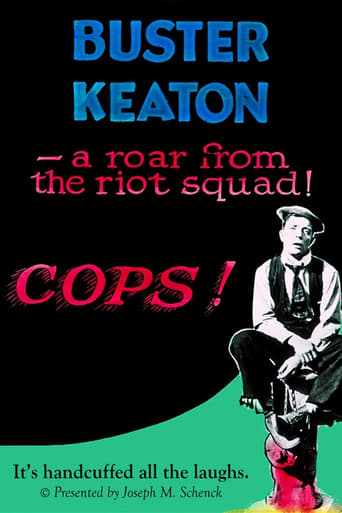
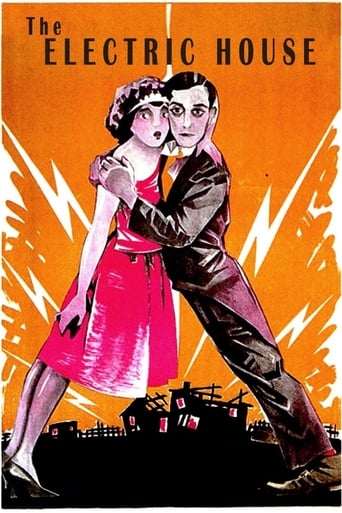

More Comedy films
View all →







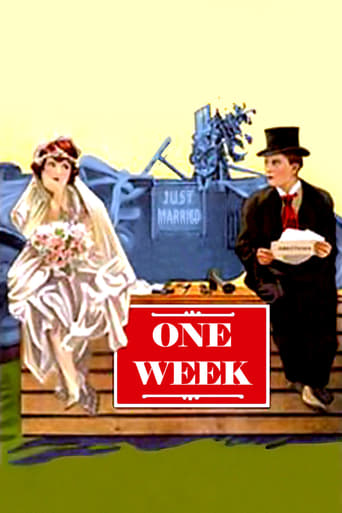
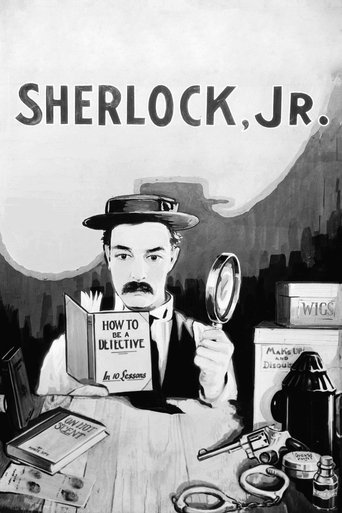
More from Buster Keaton
View all →


More about this film
About the production
Release dateOctober 1921
Box officeUnknown
ProductionBuster Keaton Productions
Filmed inLos Angeles, California
The film is renowned for its groundbreaking special effects, particularly in the opening sequence where Keaton appears as nine different characters simultaneously using multiple exposure techniques. This was achieved through careful blocking and precise timing, with Keaton having to perform each role separately while maintaining exact spatial relationships. The theater set was constructed specifically for this film, allowing for the complex choreography of gags and the multiple character performances. Keaton's perfectionism led to numerous retakes to ensure the timing of the multiple exposure shots was perfect.
Themes
Reality versus illusionTheatrical performanceDreams and subconsciousIdentity and multiple selvesChaos and order
Themes & topics
multiple rolestheaterstagehanddream sequencevaudevillephysical comedyspecial effectsbackstage chaossilent filmslapstick
Historical background
The Play House (1921) emerged during late silent cinema and the transition toward sound, when exhibition habits and national film industries were still taking shape.
Why this film matters
The Play House remains accessible through digital archives, giving modern viewers a direct link to 1921 screen culture.
Making of
The production of The Play House was a technical marvel of its time, requiring innovative camera work and meticulous planning. Keaton collaborated closely with cinematographer Elgin Lessley to perfect the multiple exposure shots, which involved marking the floor with chalk to ensure Keaton could hit his exact marks for each character. The theater set was built with removable sections to accommodate camera movement and the complex gag sequences. Keaton's background in vaudeville proved invaluable, as he understood the mechanics of stage productions and incorporated authentic theatrical elements into the comedy. The film's most challenging sequence involved Keaton performing as a minstrel, which required extensive makeup and careful choreography to maintain the illusion of multiple performers. The production team used early matte painting techniques to enhance the theater's appearance and create depth in the limited studio space.
What critics said
Retrospective notes on The Play House emphasize its value as a transitional sound-era artifact rather than blockbuster reception.
Did you know?
- The opening dream sequence features Keaton playing nine different characters simultaneously, a remarkable technical achievement for 1921
- Keaton used a technique called 'multiple exposure' to create the illusion of multiple versions of himself in the same frame
- The film was inspired by Keaton's own experiences in vaudeville and his deep understanding of theatrical production
- One of the characters Keaton plays is a monkey, demonstrating his commitment to physical comedy and animal impersonation
- The entire film was shot in just a few days, despite the complex technical requirements
- Keaton performed all his own stunts, including dangerous falls and interactions with heavy theater equipment
- The film was considered lost for many years before being rediscovered and restored
- The orchestra sequence required Keaton to actually play multiple instruments, though he wasn't proficient in all of them
- This short film was part of Keaton's series of two-reel comedies produced for Metro Pictures Corporation
- The dream sequence was so technically advanced that it influenced special effects techniques for decades to come
Visual style
The cinematography in The Play House was groundbreaking for its time, featuring innovative multiple exposure techniques that allowed Keaton to appear as multiple characters in the same frame. Cinematographer Elgin Lessley employed precise camera positioning and careful masking to create these effects, requiring mathematical precision in the placement of both actors and camera. The film uses deep focus to maintain clarity across the multiple performances, and the camera movement is minimal to preserve the illusion of simultaneous action. The lighting design had to be consistent across multiple takes to ensure the different characters appeared to occupy the same space. The theater setting allowed for dramatic lighting contrasts, with backstage areas kept in shadow while the stage was brightly lit, creating visual depth and atmosphere.
Innovations
The Play House's most significant technical achievement is its pioneering use of multiple exposure to create the illusion of Keaton playing multiple characters simultaneously. This required exacting precision in both performance and camera work, with each character filmed separately while maintaining consistent lighting and positioning. The film also features complex matte work and careful set design to accommodate the special effects. The seamless integration of these techniques was remarkable for 1921, representing some of the most sophisticated visual effects of the silent era. The film's success in creating believable multiple performances influenced the development of special effects technology and inspired future filmmakers to push the boundaries of what was possible in cinema.
Music
As a silent film, The Play House was originally accompanied by live musical performances in theaters. The score would have been tailored to the on-screen action, with different musical themes for the dream sequence and the reality portions. Typical accompaniment might have included ragtime and popular songs of the era for the vaudeville scenes, with more dramatic or whimsical music for the dream sequence. Modern restorations have been scored by various composers, including organ scores that replicate the theater experience of the 1920s. The musical choices often emphasize the comedic timing and enhance the visual gags, with staccato rhythms matching Keaton's precise physical comedy.
Famous quotes
The entire film is essentially without dialogue, relying on visual storytelling and intertitles such as 'The Dream' and 'The Reality'
Intertitle: 'Every theater has its skeleton crew - and we had ours'
Intertitle: 'The Stagehand - He does everything but act'
Memorable scenes
- The opening dream sequence where Keaton plays every role in the theater simultaneously, including conducting the orchestra, playing multiple instruments, and performing as the entire audience
- The backstage chaos scene where Keaton as the stagehand accidentally drops sandbags on actors, causes scenery to collapse, and creates general mayhem
- The finale where Keaton must perform multiple roles on stage when the actors fail to appear, frantically switching between characters and costumes
What audiences thought
The Play House was well-received by audiences in 1921, who were amazed by the technical wizardry of the multiple exposure sequences and delighted by Keaton's physical comedy. The film's theatrical setting resonated with viewers who were familiar with vaudeville performances, making the behind-the-scenes humor particularly effective. Modern audiences continue to appreciate the film's cleverness and Keaton's extraordinary talent, with the opening dream sequence often eliciting gasps of amazement even from viewers accustomed to modern special effects. The film has maintained its popularity through home video releases and streaming platforms, introducing new generations to Keaton's genius.
Film connections
Influenced by
- Keaton's vaudeville background
- Contemporary stage productions
- Early film comedy techniques
- Surrealist art movements
- Dream sequence conventions
This film influenced
- Sherlock Jr. (1924)
- The General (1926)
- Modern Times (1936)
- Groundhog Day (1993)
- Adaptation (2002)
Film restoration
The Play House has been preserved and restored by various film archives, including the Library of Congress and the Cohen Film Collection. The film was considered lost for many years before a complete print was discovered and restored. High-quality digital restorations are available, preserving the original visual quality and allowing modern audiences to appreciate the technical innovations. The restoration work has maintained the original aspect ratio and frame rate, ensuring the film's comedic timing remains intact.
Where to watch
- The Criterion Channel
- Kino Lorber DVD/Blu-ray releases
- The Buster Keaton Collection on various streaming platforms
- YouTube (official uploads)
- Archive.org
- TCM (Turner Classic Movies) broadcasts