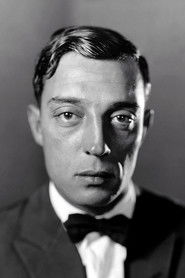
Buster Keaton
Actor & Director
Born: October 4, 1895 in Piqua, Kansas, USA Died: February 1, 1966 Active: 1917-1966 Birth Name: Joseph Frank Keaton
Films
53 films
One Week
1920
The Goat
1921
Go West
1925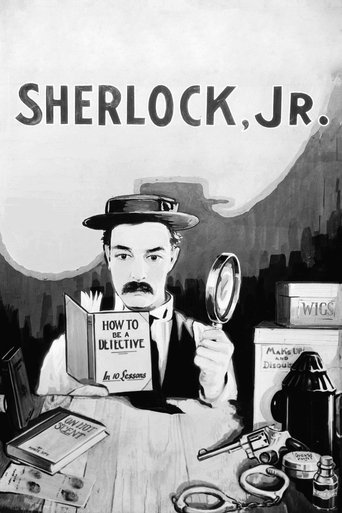
Sherlock Jr.
1924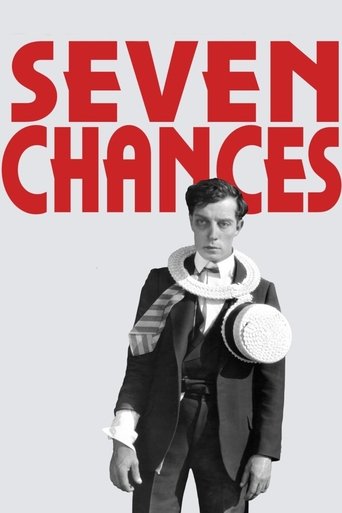
Seven Chances
1925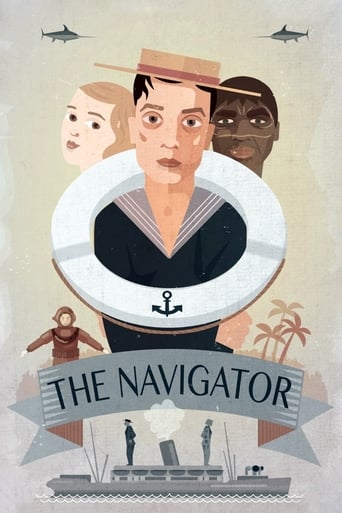
The Navigator
1924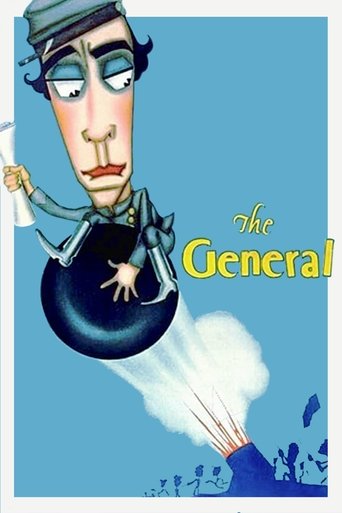
The General
1926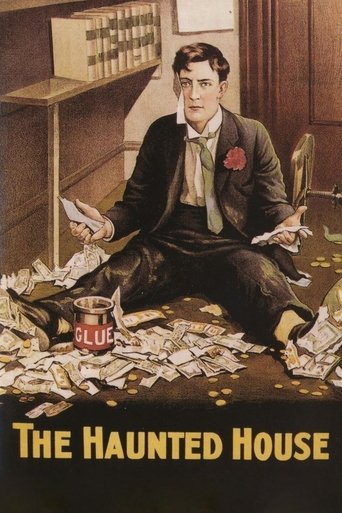
The Haunted House
1921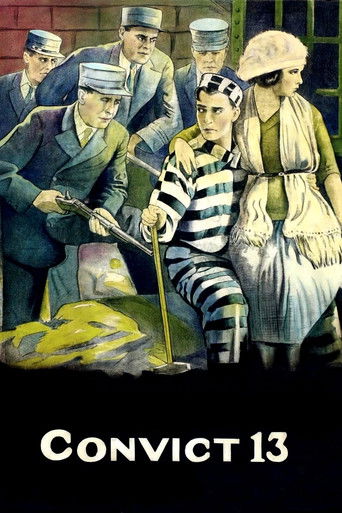
Convict 13
1920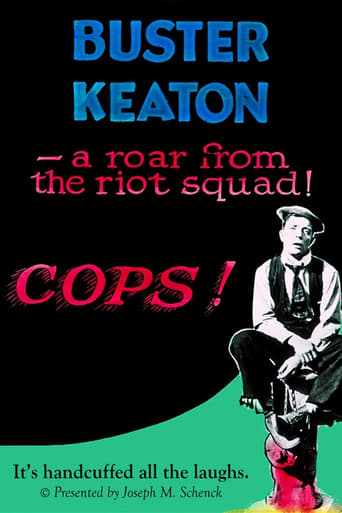
Cops
1922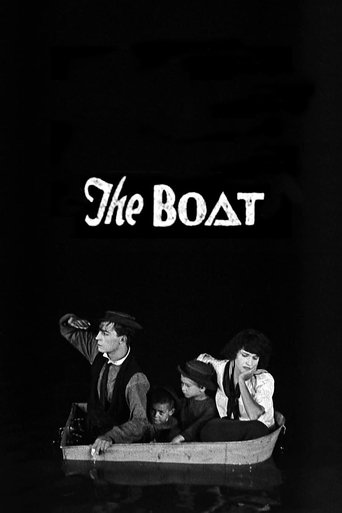
The Boat
1921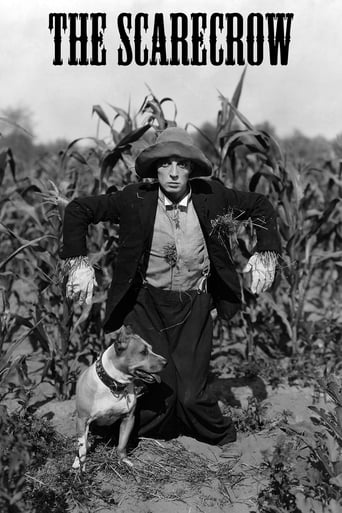
The Scarecrow
1920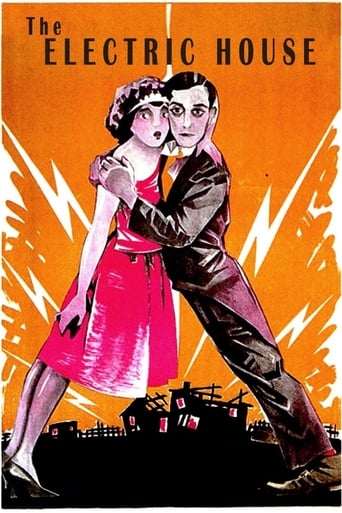
The Electric House
1922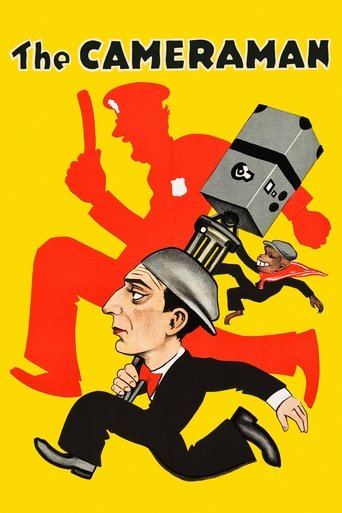
The Cameraman
1928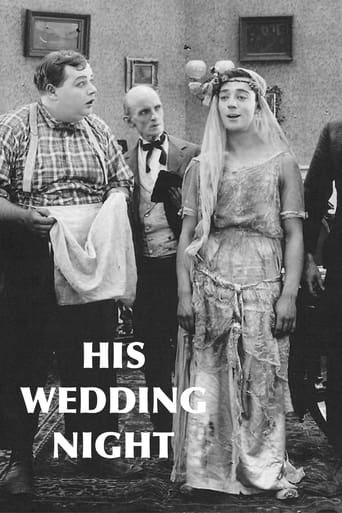
His Wedding Night
1917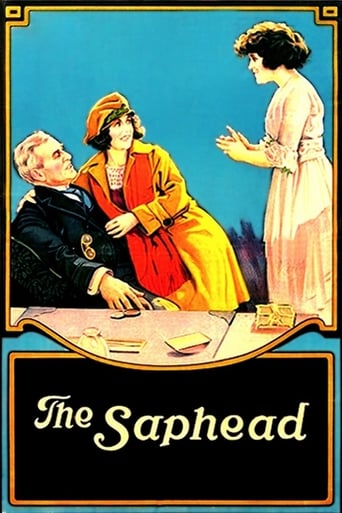
The Saphead
1920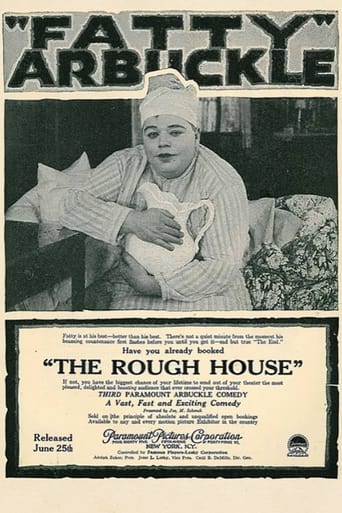
The Rough House
1917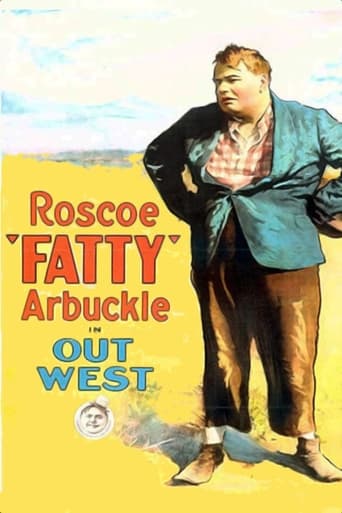
Out West
1918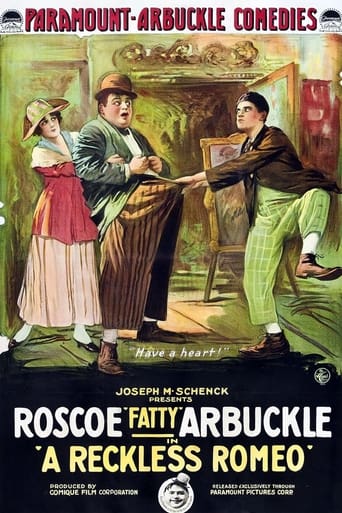
A Reckless Romeo
1917
Oh, Doctor!
1917
The Bell Boy
1918
Neighbors
1920
The Garage
1920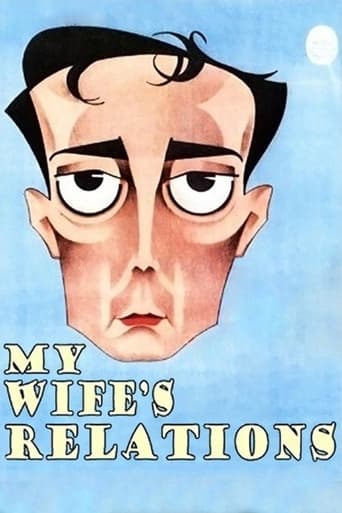
My Wife's Relations
1922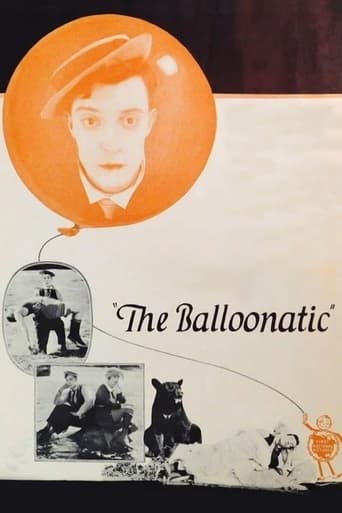
The Balloonatic
1923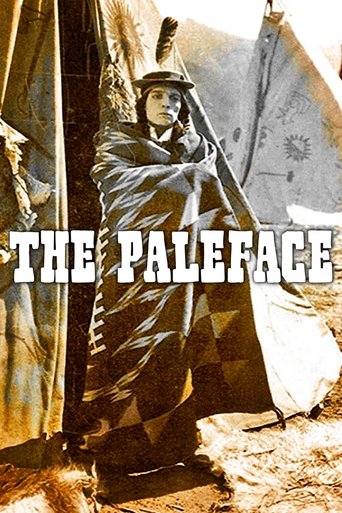
The Paleface
1922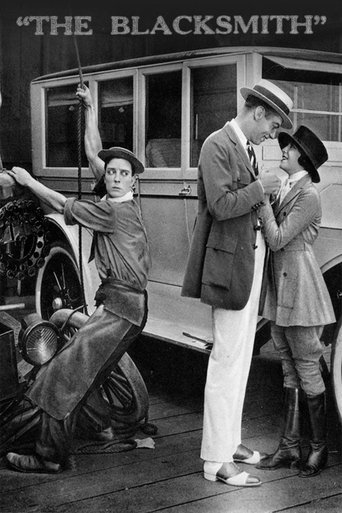
The Blacksmith
1922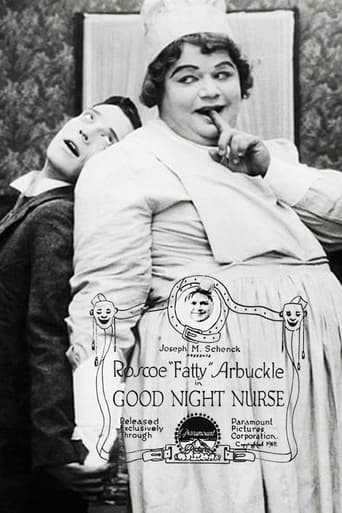
Good Night, Nurse!
1918
Coney Island
1917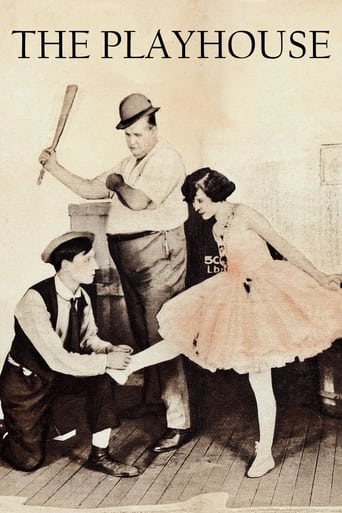
The Play House
1921
The Frozen North
1922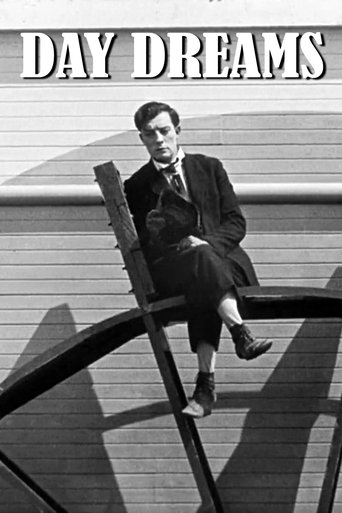
Day Dreams
1922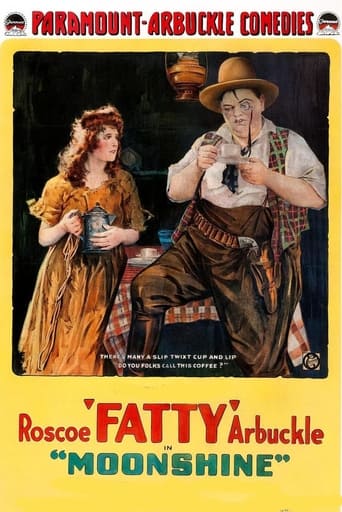
Moonshine
1918
Hard Luck
1921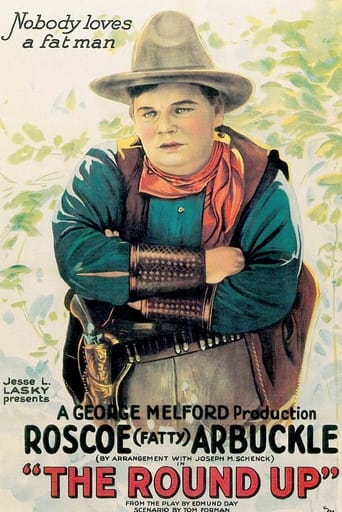
The Round-Up
1920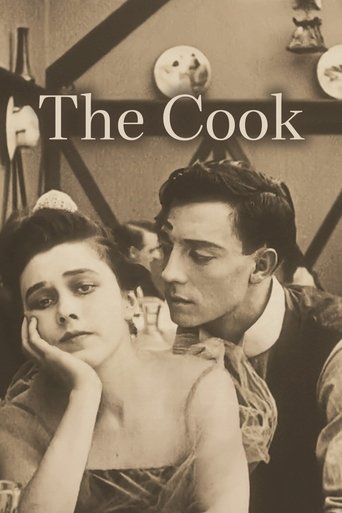
The Cook
1918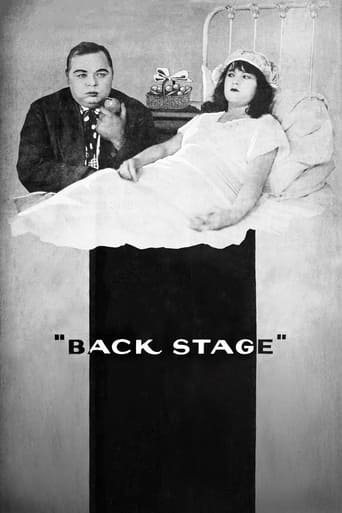
Back Stage
1919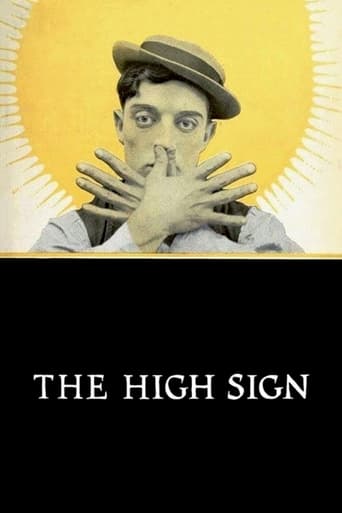
The High Sign
1921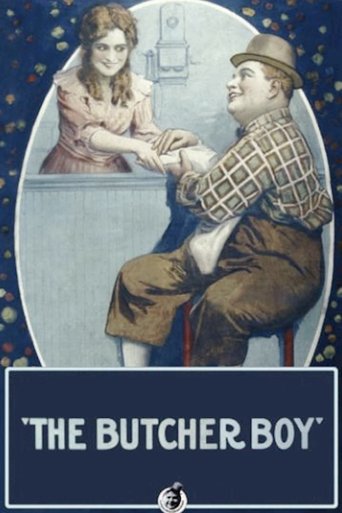
The Butcher Boy
1917
Battling Butler
1926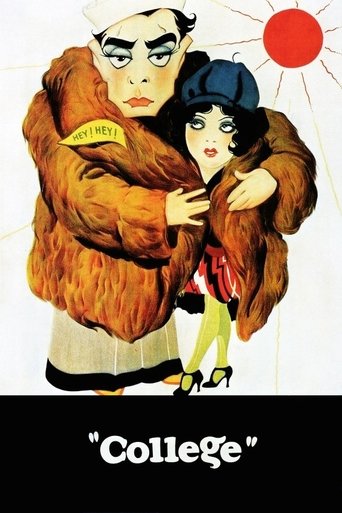
College
1927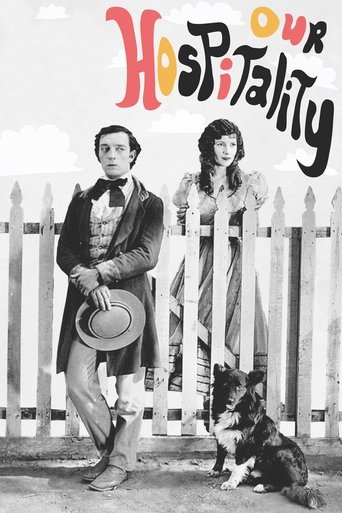
Our Hospitality
1923
Three Ages
1923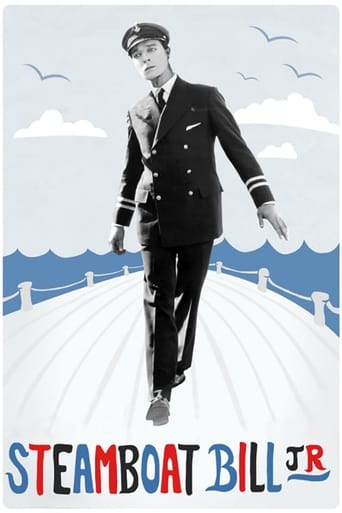
Steamboat Bill, Jr.
1928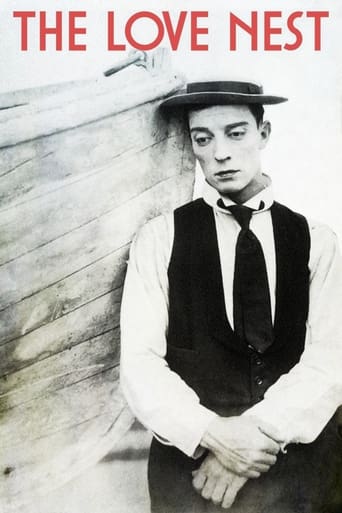
The Love Nest
1923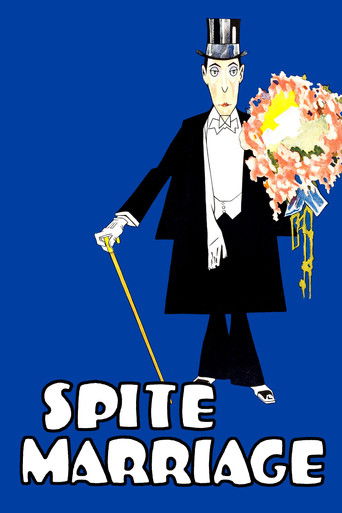
Spite Marriage
1929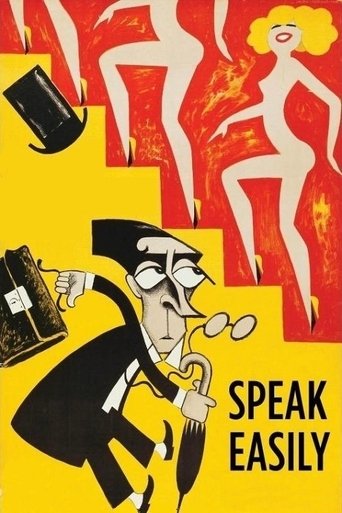
Speak Easily
1932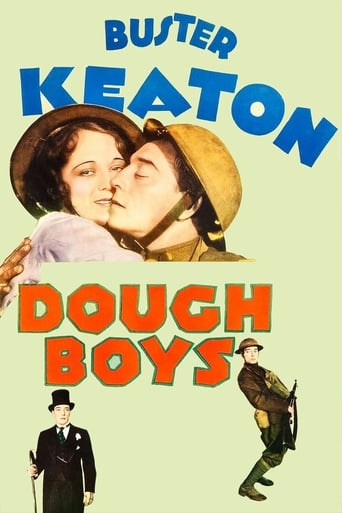
Doughboys
1930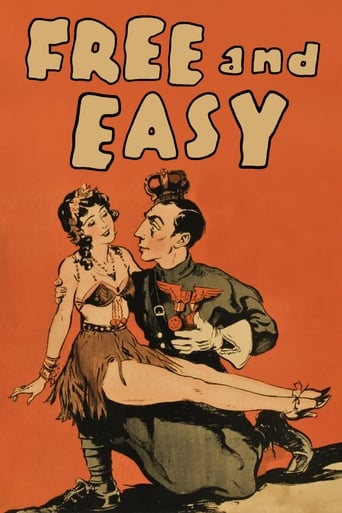
Free and Easy
1930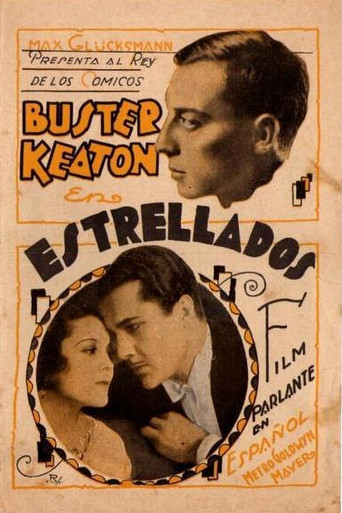
Estrellados
1930
Seeing Stars
1922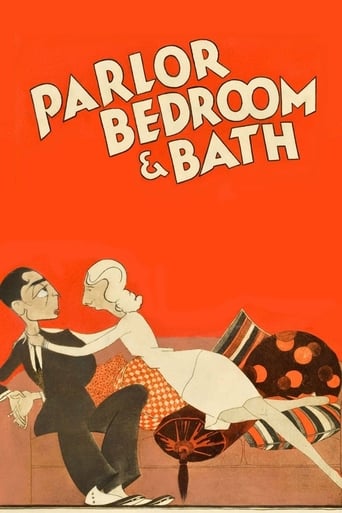
Parlor, Bedroom and Bath
1931About Buster Keaton
Buster Keaton was born Joseph Frank Keaton into a vaudeville family and began performing as a child as part of 'The Three Keatons' with his parents. He transitioned to films in 1917, first working with Roscoe 'Fatty' Arbuckle before becoming a star in his own right. Throughout the 1920s, he wrote, directed, and starred in a series of brilliant comedy shorts and features that showcased his innovative filmmaking and breathtaking stunts. His most creative period was from 1920-1928 when he had complete creative control over his films at First National, producing masterpieces like 'The General' and 'Sherlock Jr.' After losing his independence when he signed with MGM in 1928, his career declined due to personal problems and studio interference. Though he made fewer films in the 1930s and beyond, he experienced a career revival in the 1940s and 1950s, appearing in films and television shows. He received an honorary Academy Award in 1959 and continued performing until his death in 1966, leaving behind a legacy of some of cinema's greatest comedic masterpieces.
The Craft
On Screen
Keaton developed a unique deadpan expression that earned him the nickname 'The Great Stone Face.' His comedy was characterized by incredible physical stunts, precise timing, and a stoic demeanor that made his character's misfortunes even funnier. Unlike other comedians of his era who mugged for the camera, Keaton maintained his composure even in the most absurd situations, creating a contrast between his emotionless face and the chaos around him. His athletic background allowed him to perform dangerous stunts himself, often involving elaborate machinery, collapsing buildings, and daring physical feats that still astonish viewers today. His approach to comedy was more subtle and nuanced than his contemporaries, relying on visual gags and physical predicaments rather than broad gestures.
Behind the Camera
As a director, Keaton — innovator who pushed the boundaries of cinematic technique during the silent era. He excelled in visual storytelling, using complex camera movements, elaborate tracking shots, and precise editing to create comedic situations. His films often featured intricate gags that required mathematical precision in their setup and execution. Keaton was particularly skilled at using architecture and mechanical devices as comic elements, with his characters frequently battling against inanimate objects. He pioneered techniques like the long-take sequence, as seen in his famous camera work in films like 'Sherlock Jr.' and 'The General,' where he seamlessly blended reality with fantasy. His directing style combined technical innovation with emotional depth, creating films that were both hilarious and genuinely moving.
Milestones
- Development of his deadpan 'Stone Face' persona in early films
- Independently produced his most famous films at First National (1920-1928)
- Created masterpiece 'The General' (1926) now considered one of cinema's greatest films
- Signed with MGM losing creative control (1928)
- Career decline during early sound era due to alcoholism
- Career revival in 1940s-1950s with television appearances
- Received honorary Academy Award (1959)
Best Known For
Iconic Roles
Must-See Films
Accolades
Won
- Honorary Academy Award for Lifetime Achievement (1959)
Special Recognition
- Hollywood Walk of Fame star (1960)
- AFI's 100 Greatest American Films: 'The General' ranked #18 (1998)
- AFI's 100 Greatest American Comedians: Ranked #7 (2000)
- National Film Registry: Multiple films preserved including 'The General', 'Sherlock Jr.', 'The Navigator'
- Cannes Film Festival: Special Tribute (1965)
- New York Film Critics Circle: Special Award (1959)
Working Relationships
Worked Often With
Studios
Why They Matter
Impact on Culture
Buster Keaton revolutionized physical comedy and filmmaking techniques during the silent era, creating a body of work that continues to influence cinema today. His innovative use of camera movement, editing, and special effects influenced generations of filmmakers, from Charlie Chaplin to contemporary directors like Wes Anderson. The 'Keatonesque' style of deadpan comedy became a staple of humor that continues to appear in modern comedy. His films have been preserved and studied as masterpieces of cinematic art, with 'The General' consistently ranked among the greatest films ever made. Keaton's influence extends beyond film to theater, television, and even digital media, where his precise visual comedy continues to inspire creators. His ability to blend humor with genuine emotion and technical innovation created a unique cinematic language that transcends time.
Lasting Legacy
Buster Keaton's legacy endures as one of cinema's greatest innovators and comedians, with his films regularly screened at film festivals and studied in film schools worldwide. The preservation of his works by organizations like The Criterion Collection has introduced new generations to his genius. His techniques have been analyzed and emulated by countless filmmakers, from Charlie Chaplin to contemporary directors like Wes Anderson and Christopher Nolan. Keaton's ability to blend comedy with genuine emotion and technical innovation created a body of work that remains as impressive today as it was nearly a century ago. His honorary Academy Award in 1959 recognized not just his entertainment value but his lasting contribution to the art of cinema. Today, he is widely regarded as one of the three great silent comedians alongside Chaplin and Harold Lloyd, with many critics considering his visual innovations the most influential of the trio.
Who They Inspired
Keaton influenced countless comedians and filmmakers with his unique approach to physical comedy and visual storytelling. His deadpan style influenced comedians like Jacques Tati, Rowan Atkinson (Mr. Bean), and Stephen Wright. His innovative camera techniques inspired directors like Orson Welles, Alfred Hitchcock, and Stanley Kubrick. Action stars and stunt performers, including Jackie Chan, have cited Keaton as a major influence for his daring physical comedy. His approach to blending humor with pathos influenced filmmakers like Charlie Chaplin and later directors like Jim Jarmusch and the Coen Brothers. Contemporary comedians and filmmakers continue to reference and pay homage to Keaton's work, demonstrating the enduring nature of his contributions to cinematic art.
Off Screen
Keaton married three times and had a turbulent personal life marked by alcoholism during his career decline. His first marriage to actress Natalie Talmadge in 1921 ended in divorce in 1933 and resulted in him losing access to his two sons for many years. His second marriage to Mae Scriven (1933-1940) also ended in divorce. He found happiness with his third wife, Eleanor Norris (1940-1966), who was 23 years younger and helped him overcome his drinking problems and revive his career. Keaton had two sons from his first marriage who were estranged from him for years before reconciling in his later years. He was also known for his heavy gambling, particularly on horse races, which contributed to his financial difficulties during his career slump.
Education
Keaton had little formal education as he began performing in vaudeville as a very young child. He attended school briefly but his family's traveling show business life prevented consistent attendance. His real education came from the school of hard knocks in vaudeville theaters across the country, where he learned timing, physical comedy, and performance skills that would later define his film career.
Family
- Natalie Talmadge (1921-1933)
- Mae Scriven (1933-1940)
- Eleanor Norris (1940-1966)
Did You Know?
- Got the nickname 'Buster' after falling down a flight of stairs as a toddler and magician Harry Houdini exclaimed 'That was a real buster!'
- Was a child star in his family's vaudeville act, where his father would throw him across the stage as part of their act
- Served in the U.S. Army during World War I, stationed in France with the 40th Infantry Division
- His famous 'Stone Face' expression was partly due to his belief that comedy was funnier when the performer didn't acknowledge the humor
- Performed his own stunts, including a dangerous scene in 'Steamboat Bill, Jr.' where a 2-ton house facade fell around him, missing him by inches
- Was an avid baseball player and often incorporated baseball into his films
- Lost creative control over his films after signing with MGM in 1928, which led to his career decline
- Suffered from alcoholism during the 1930s but overcame it in the 1940s with help from his third wife
- Made a successful transition to television in the 1950s, appearing on shows like 'The Ed Wynn Show' and 'Cavalcade of Stars'
- His films were nearly lost but were rediscovered and restored in the 1950s and 1960s, leading to his critical rehabilitation
- Was a heavy gambler, particularly on horse races, which contributed to his financial problems
- His third wife Eleanor Norris was 23 years younger than him and helped revive his career and personal life
- The famous cyclone scene in 'Steamboat Bill, Jr.' was filmed during an actual hurricane, adding to the danger and authenticity
- His film 'The General' was a commercial failure upon release but is now considered one of the greatest films ever made
- Was colorblind, which sometimes created challenges in his filmmaking but didn't stop him from creating visually stunning films
In Their Own Words
A comedian does funny things. A good comedian does things funny.
Tragedy is a close-up; comedy, a long-shot.
No man can be a genius in slapshoes and a flat hat.
I'm more afraid of being a fool than of anything else.
I don't believe in God, but I'm afraid of him.
The public is the only critic whose opinion is worth anything at all.
In the movies, I had to do all my own stunts. The stuntmen wouldn't let me do theirs.
I was a star in my pictures. If I didn't like a script, I'd change it.
The secret to comedy is surprise, and the secret to surprise is honesty.
I've had a lot of worries in my life, most of which never happened.
Frequently Asked Questions
Who was Buster Keaton?
Legendary American actor, comedian, and on YTB.my. Known for his deadpan expression and incredible physical stunts, he created some of the most innovative and influential comedies in cinema history. His nickname was 'The Great Stone Face' due to his stoic demeanor during comedic situations.
What films is Buster Keaton best known for?
Titles linked here include The General (1926), Sherlock Jr. (1924).
When was Buster Keaton born and when did he die?
Born October 4, 1895; died February 1, 1966.
What awards did Buster Keaton win?
Keaton received an Honorary Academy Award in 1959 for his unique talents and his invaluable contribution to the art of motion pictures. He also received a star on the Hollywood Walk of Fame in 1960, and his films have been preserved in the National Film Registry. 'The General' was ranked #18 on AFI's list of 100 greatest American films.
What was Buster Keaton's acting/directing style?
Keaton developed a unique deadpan acting style that earned him the nickname 'The Great Stone Face.' As a director, he was an innovator who used complex camera movements, elaborate tracking shots, and precise editing. His comedy was characterized by incredible physical stunts, mathematical precision in gags, and a stoic demeanor that made his character's misfortunes even funnier.
How did Buster Keaton get his nickname?
Keaton got his nickname 'Buster' when he was about 18 months old. After falling down a long flight of stairs without injury, family friend and magician Harry Houdini remarked, 'That was a real buster!' The name stuck, and he was known as Buster Keaton for the rest of his life.
What happened to Buster Keaton's career in the 1930s?
Keaton's career declined significantly in the 1930s after he signed with MGM in 1928, losing creative control over his films. He developed alcoholism, his marriage ended in divorce, and he made mostly forgettable films. However, he experienced a career revival in the 1940s and 1950s, appearing in films and television shows.
Did Buster Keaton perform his own stunts?
Yes, Keaton performed almost all his own stunts, which were often extremely dangerous. He was an exceptional athlete with incredible timing and coordination. His most famous stunt was in 'Steamboat Bill, Jr.' where a 2-ton house facade fell around him, missing him by mere inches. He continued performing stunts well into his later years, even on television shows.