
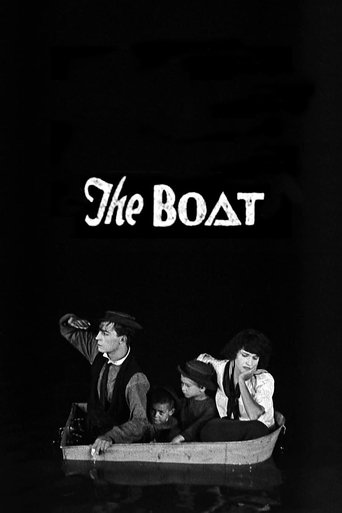
The Love Nest
"Pirates interrupt a sea voyage"
Keys: Space play/pause · ←/→ 10s · F fullscreen · M mute · </> speed
About this film
Heartbroken Buster Keaton sets out to sea, only to be captured by pirates who complicate his attempt to forget a lost love.
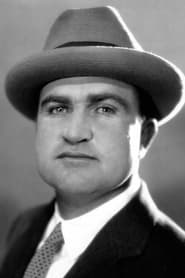
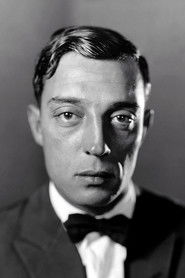
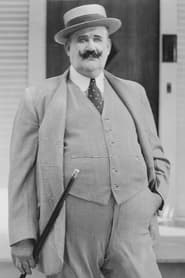
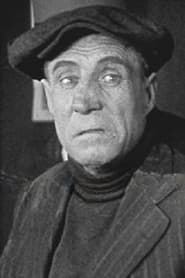
Cast & crew
More films like this

More Comedy films
View all →







More from Edward F. Cline
View all →

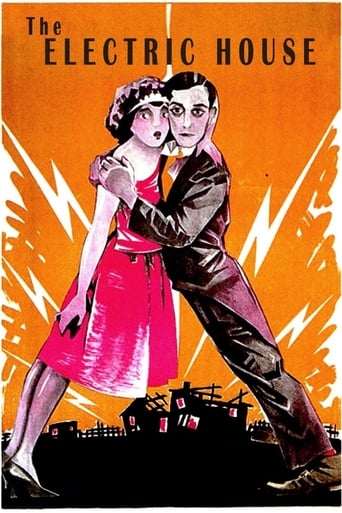
More about this film
About the production
Release dateDecember 3, 1923
ProductionBuster Keaton Productions
Filmed inCalifornia coast, Studio backlot in Los Angeles
The Love Nest was Buster Keaton's final short film before transitioning to feature-length productions. The ship sequences were filmed on a specially constructed set with a gimbal system to simulate ocean movement. The film's production was rushed to meet Keaton's contract obligations with First National. The dangerous stunts performed by Keaton, including being dragged through the water and nearly drowning, were done without stunt doubles or safety equipment typical of the era.
Themes
Heartbreak and emotional recoveryAuthority and rebellionSurvival against overwhelming oddsThe illusion of escapeViolence lurking beneath civilization
Themes & topics
piratessea voyagestowawayrum-runningmurderescapedisguiserevengephysical comedyslapstickchaseshipcaptaincrew
Historical background
Keaton's 1923 short was among the last films he made under the Comique banner before moving to feature production.
Why this film matters
Its miniature ship effects and deadpan reaction gags exemplify Keaton's engineering-minded approach to slapstick.
Making of
The production of The Love Nest was particularly challenging due to the extensive maritime sequences. Keaton and his team built a massive ship set on a special platform that could tilt and rock to simulate ocean conditions. The water scenes were filmed in a large tank on the studio lot, with Keaton insisting on performing his own water stunts, much to the concern of the crew. Director Edward F. Cline, a frequent Keaton collaborator, had to carefully choreograph the complex physical comedy sequences while maintaining the film's dark undertones. The relationship between Keaton and Joe Roberts was particularly strong, with Roberts often improvising his intimidating character during takes. The film's darker tone, including multiple implied murders, was unusual for comedy shorts of the era but reflected Keaton's desire to push boundaries as he moved toward feature films.
What critics said
Programmers paired it with features; today it appears in Keaton anthologies as a concise example of his maritime humor.
Did you know?
- This was Buster Keaton's final two-reel short film before moving exclusively to feature-length productions
- The ship used in filming was a full-scale replica built on a studio lot with mechanical systems to simulate rough seas
- Joe Roberts, who plays the cruel captain, was a frequent collaborator with Keaton but died shortly after 's release
- The film's title refers to the captain's private cabin where he brings women, not to any romantic subplot
- Keaton performed all his own stunts, including a dangerous scene where he was dragged behind the ship
- The film was originally intended to be longer but was cut to two reels (20 minutes) for distribution
- Virginia Fox, who plays the captain's girlfriend, was married to director D.W. Griffith at the time
- The film's pirate theme was partially inspired by the success of Douglas Fairbanks' swashbuckling films
- Keaton's character wears a distinctive sailor suit that became one of his most recognizable costumes
- The film contains one of Keaton's most famous gags involving a revolving door and multiple disguises
Visual style
The cinematography of The Love Nest was particularly innovative for its time, especially in the maritime sequences. The film employed multiple cameras to capture complex action sequences, a technique that was still relatively rare in 1923. The ship scenes utilized innovative camera movements and angles to create the illusion of being at sea, including low-angle shots to emphasize the scale of the vessel and tracking shots to follow Keaton's movements. The cinematographer used special filters and lighting techniques to simulate different times of day and weather conditions on the ocean. The film's visual style combined the clear compositions typical of Keaton's work with more dynamic camera movements to enhance the action sequences. The use of deep focus allowed for complex gags involving multiple characters and props within the same frame.
Innovations
The Love Nest featured several significant technical achievements for 1923. The most notable was the construction of a full-scale ship set on a gimbal system that could tilt up to 30 degrees to simulate ocean motion. The film also employed innovative underwater photography techniques for Keaton's water scenes, using specially designed waterproof camera housings. The production utilized multiple-camera setups for complex action sequences, allowing for more dynamic editing. The film's special effects included matte paintings to extend the ship's appearance and miniatures for long shots. The production team developed new methods for creating realistic water effects in the studio tank, including wave machines and wind machines. The film's editing techniques, particularly in the chase sequences, were considered advanced for the period, featuring rapid cuts and match-action editing.
Music
As a silent film, The Love Nest was originally accompanied by live musical scores performed in theaters. The typical orchestration included nautical themes, jaunty ragtime pieces for comedic moments, and dramatic classical selections during suspenseful sequences. Modern restorations have been scored with period-appropriate music, often featuring compositions by contemporary silent film composers. The film's musical accompaniment typically emphasized the contrast between the comedic elements and the darker undertones of the story. Some modern screenings have featured original compositions specifically written for the film, incorporating maritime instruments and themes. The rhythm and pacing of Keaton's physical comedy were carefully matched to musical accompaniment, with his movements often synchronized to musical beats for maximum comedic effect.
Famous quotes
As a silent film, The Love Nest contains no spoken dialogue, but features several memorable intertitles including: 'He decided to forget his troubles by taking a long trip at sea'
Another notable intertitle: 'The Captain's motto - No work, no food - No food, no work'
The film's closing intertitle: 'And so ended Buster's eventful voyage'
Memorable scenes
- The opening sequence where Buster attempts suicide by various methods, each failing comically before he decides to go to sea
- The revolving door sequence where Buster continuously disguises himself to avoid the murderous captain
- The scene where Buster is dragged behind the ship while tied to a rope, performing incredible underwater stunts
- The climactic chase sequence through the ship's corridors with Buster using his physical comedy skills to outsmart the crew
- The final scene where Buster inadvertently causes the ship's destruction through a series of comedic mishaps
What audiences thought
The Love Nest was well-received by audiences upon its release, who appreciated Keaton's increasingly ambitious stunts and the film's more adventurous tone. The combination of comedy with elements of danger and suspense proved particularly popular with moviegoers of the era. Audiences were especially impressed by the elaborate ship sequences and Keaton's daring water stunts. The film's darker elements, while unusual for comedy shorts, did not deter viewers but rather added to its appeal. Contemporary audience reports indicate that the film received enthusiastic responses in theaters, with particular praise for Keaton's physical comedy and the film's technical achievements. Modern audiences continue to appreciate the film through revival screenings and home video releases, with many considering it a highlight of Keaton's short film career.
Film connections
Influenced by
- Douglas Fairbanks' swashbuckling films
- Charlie Chaplin's early shorts
- Harold Lloyd's comedy films
- Contemporary pirate literature
- Melodramatic adventure serials
This film influenced
- The Navigator (1924)
- Steamboat Bill Jr. (1928)
- The General (1926)
- Modern physical comedy films
- Pirate comedy films
Film restoration
The Love Nest is well-preserved with complete prints held in several film archives, including the Library of Congress and the Museum of Modern Art. The film has been restored multiple times, with the most recent restoration completed in 2010 using original camera negatives. The restoration work included digital cleaning of scratches and damage while preserving the original film grain and tinting. The film is considered one of the best-preserved examples of Keaton's short work, thanks to the careful preservation efforts by film archives and Keaton enthusiasts. Multiple high-quality versions exist on various home video formats, ensuring the film's accessibility for future generations.
Where to watch
- The Criterion Channel
- Kino Lorber DVD/Blu-ray collections
- The Buster Keaton Short Films Collection
- Various streaming services specializing in classic cinema
- Film archive screenings
- Public domain versions available on YouTube and Internet Archive