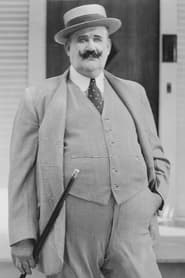
Joe Roberts
Actor
Born: February 2, 1871 in New York City, New York, USA Died: July 28, 1923 Active: 1914-1923 Birth Name: Joseph A. Roberts
Films
20 films

The Goat
1921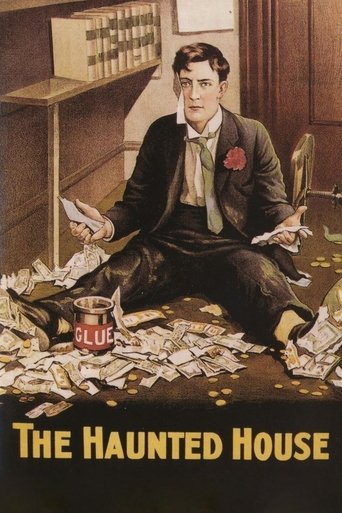
The Haunted House
1921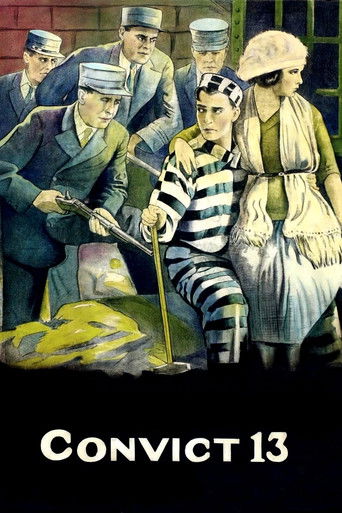
Convict 13
1920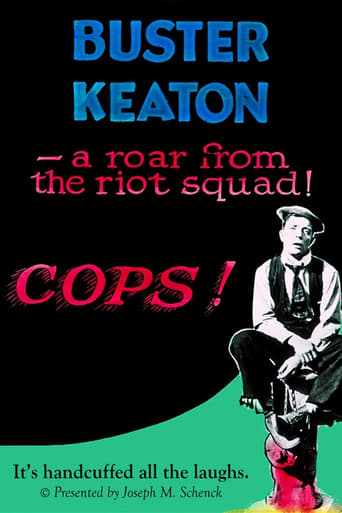
Cops
1922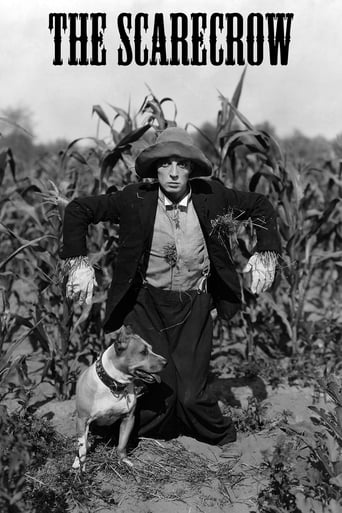
The Scarecrow
1920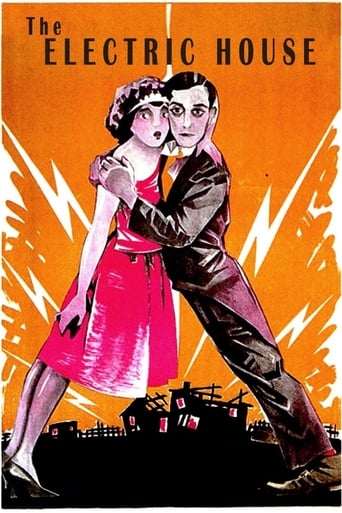
The Electric House
1922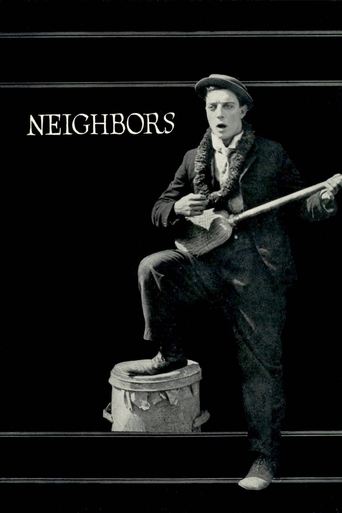
Neighbors
1920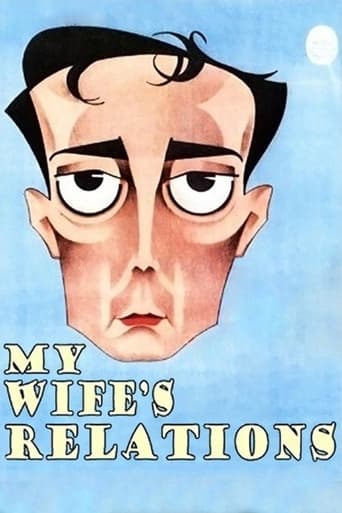
My Wife's Relations
1922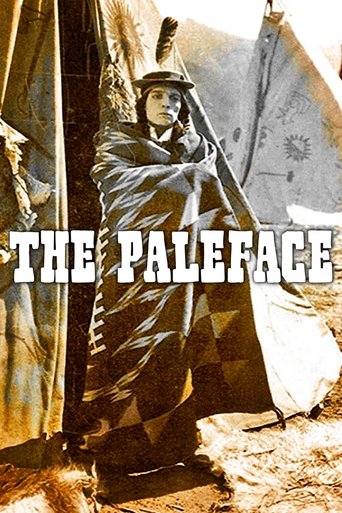
The Paleface
1922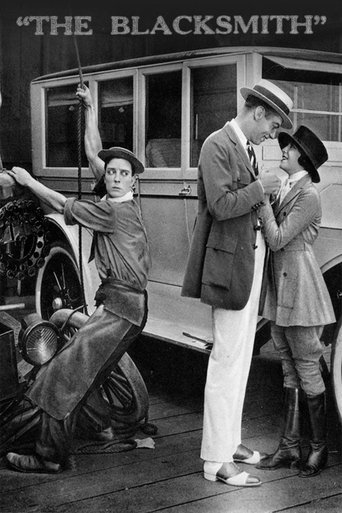
The Blacksmith
1922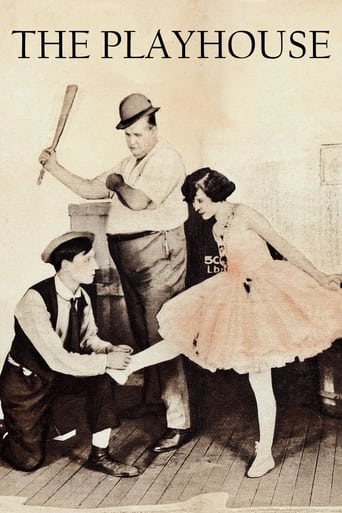
The Play House
1921
The Frozen North
1922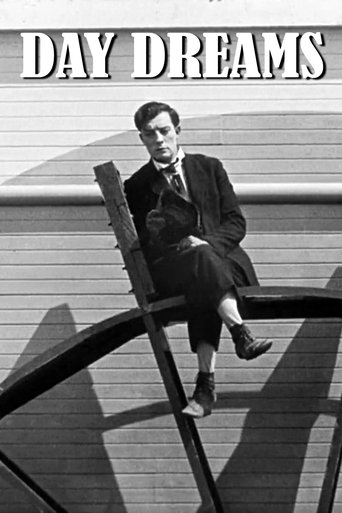
Day Dreams
1922
Hard Luck
1921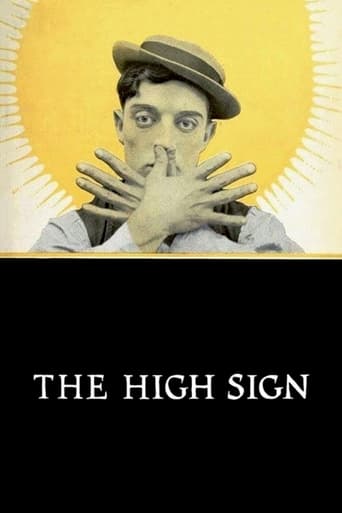
The High Sign
1921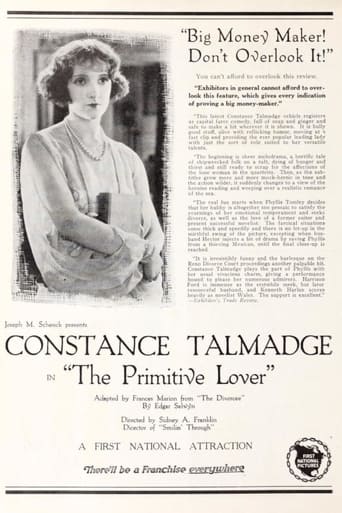
The Primitive Lover
1922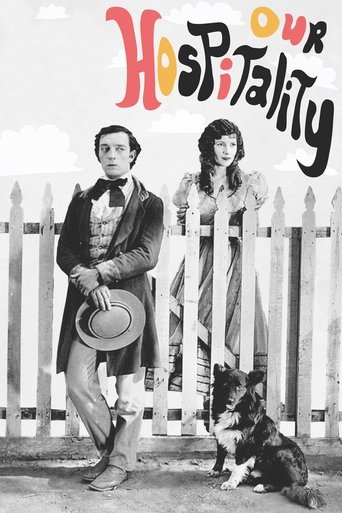
Our Hospitality
1923
Three Ages
1923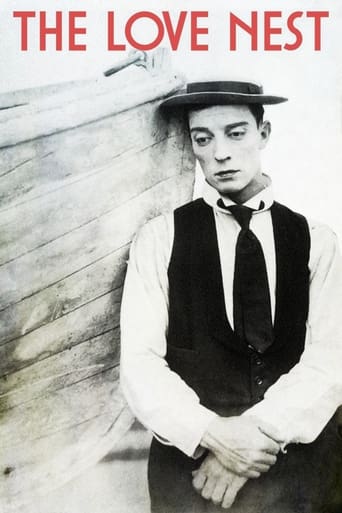
The Love Nest
1923About Joe Roberts
Prominent character actor in silent comedy films, best known for his frequent collaborations with Buster Keaton during the early 1920s. Standing at 6'3" and weighing over 250 pounds, Roberts — imposing physical presence who often played antagonists, authority figures, or comic foils to the much smaller Keaton. Before entering films, Roberts had a career as a professional baseball player, which contributed to his athletic screen presence. Joe appears in more than 20 of Keaton's short films and features between 1920 and 1923, becoming recognizable faces in Keaton's stock company. Roberts' ability to be both menacing and comical made him invaluable to Keaton's films, where he often played the heavy in chase sequences or comic confrontations. Tragically, his career was cut short when he suffered a fatal stroke in 1923 at the age of 46, just as he was reaching the peak of his film popularity. His death left a significant void in Keaton's ensemble, as the comedian had difficulty finding a replacement who could match Roberts' unique combination of physical presence and comic timing.
The Craft
On Screen
Joe Roberts specialized in physical comedy using his imposing 6'3", 250-pound frame to create comic contrast with smaller comedians like Buster Keaton. His style combined menacing presence with surprising agility, allowing him to be both threatening and hilarious in the same sequence. Roberts excelled at playing authority figures, villains, or comic foils who would engage in elaborate chase sequences and physical confrontations. His facial expressions ranged from stern intimidation to comical frustration, and he had remarkable timing for pratfalls and physical gait. Despite his large size, Roberts was quite athletic and could perform his own stunts, making him invaluable to the physically demanding comedy of the silent era.
Milestones
- Regular collaborator with Buster Keaton (1920-1923)
- Appeared in over 20 Keaton films
- Transitioned from professional baseball to acting
- Became Keaton's primary antagonist/foil
- Final film appearance in 'The Love Nest' (1923)
Best Known For
Iconic Roles
Must-See Films
Working Relationships
Worked Often With
Studios
Why They Matter
Impact on Culture
Joe Roberts made a significant impact on silent comedy by establishing the archetype of the 'gentle giant' antagonist in physical comedy films. His work with Buster Keaton helped define the visual language of silent comedy, particularly in the use of physical contrast between performers. Roberts demonstrated that large, imposing actors could be integral to comedy rather than just drama, paving the way for future character actors in comedy. His ability to be both menacing and funny in equal measure influenced how physical comedy would be staged in subsequent decades. The chemistry between Roberts and Keaton created a template for comedy duos based on physical contrast that would be emulated by later performers.
Lasting Legacy
Joe Roberts' legacy lives on through his memorable performances in some of the most celebrated silent comedy shorts ever made. His work in films like 'Cops,' 'One Week,' and 'The Scarecrow' continues to be studied by film scholars and comedy enthusiasts for its perfect timing and physical comedy innovation. Roberts represents the essential but often unheralded character actors who were crucial to the success of silent comedy stars. His premature death at the height of his career has made his surviving performances all the more precious to film historians. Modern comedians and physical performers still study Roberts' technique for balancing menace with humor, and his films remain popular in revival theaters and on home video.
Who They Inspired
Joe Roberts influenced the way physical comedy was performed in silent films by demonstrating how size and physical presence could be used for comic effect rather than just intimidation. His work showed future character actors that supporting roles could be just as memorable as lead performances in comedy. The contrast he created with smaller comedians like Keaton established a visual dynamic that would be copied by countless comedy teams in subsequent decades. Roberts' ability to perform his own stunts despite his size set a standard for physical commitment in comedy that influenced performers like Oliver Hardy and John Wayne in their comic roles. His timing and physical precision continue to be referenced by comedy performers and directors working in physical comedy today.
Off Screen
Joe Roberts married actress Florence Lee in 1915, and they remained married until his death in 1923. The couple had no children together. Roberts was known for his gentle nature off-screen, which contrasted sharply with the menacing characters he often portrayed. His transition from professional baseball to acting was unusual for the time, as most actors came from theatrical backgrounds rather than athletic careers. Roberts was well-liked by his colleagues in the film industry, particularly by Buster Keaton, who considered him an essential part of his creative team.
Education
Limited information available about his formal education, though he was known to be well-read and articulate.
Family
- Florence Lee (1915-1923)
Did You Know?
- Nicknamed 'Tiny' as an ironic joke due to his large size
- Former professional baseball player before entering films
- Appeared in over 50 films during his brief 9-year career
- Died of a stroke at age 46, shortly after completing his final film
- Was 6'3" tall and weighed over 250 pounds
- Often played villains or antagonists but was known as a gentle person off-screen
- Buster Keaton considered him irreplaceable and struggled to find a suitable replacement
- His death occurred during the filming of 'The Love Nest,' which became his final film
- Was one of the highest-paid character actors of his time
- His real first name was Joseph, but he was universally known as Joe
In Their Own Words
(No recorded famous quotes, as he was a silent film actor)
Frequently Asked Questions
Who was Joe Roberts?
Prominent character with credits in this catalog. Standing 6'3" and weighing over 250 pounds, he often played antagonists or comic foils to Keaton, creating memorable physical comedy through their size contrast. Roberts appeared in over 20 Keaton films before his untimely death in 1923 at age 46.
What films is Joe Roberts best known for?
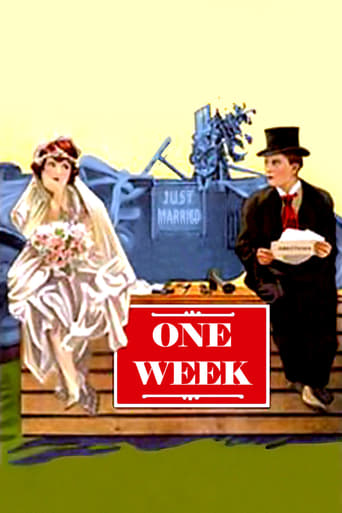
Titles linked here include One Week (1920), Convict 13 (1920).
When was Joe Roberts born and when did he die?
Born February 2, 1871; died July 28, 1923.
What was Joe Roberts' acting style?
Joe Roberts specialized in physical comedy using his large, imposing frame to create comic contrast with smaller performers. His style combined menacing presence with surprising agility, allowing him to be both threatening and hilarious. Roberts excelled at playing authority figures and villains who would engage in elaborate physical confrontations, with remarkable timing for pratfalls and physical comedy.
How did Joe Roberts influence silent comedy?
Joe Roberts influenced silent comedy by establishing the archetype of the 'gentle giant' antagonist and demonstrating how physical contrast between performers could enhance comedy. His work showed that large actors could be integral to comedy rather than just drama, and his chemistry with Buster Keaton created a template for comedy duos based on physical differences that would be emulated by later performers.
What was Joe Roberts' career before acting?
Before entering films, Joe Roberts had a career as a professional baseball player. This athletic background contributed to his physical agility and screen presence, allowing him to perform his own stunts and engage in the demanding physical comedy required in silent films. His transition from sports to entertainment was unusual for the time period.
Why was Joe Roberts important to Buster Keaton's films?
Joe Roberts was crucial to Buster Keaton's films because he provided the perfect physical contrast and comic foil to Keaton's smaller, more agile persona. Roberts could play menacing antagonists while still being genuinely funny, and his timing and physical commitment made chase sequences and confrontations more effective. Keaton considered Roberts irreplaceable and struggled to find a suitable actor to fill his role after Roberts' death.