
Hard Luck
"A down on his luck young man makes several attempts at committing"
Keys: Space play/pause · ←/→ 10s · F fullscreen · M mute · </> speed
About this film
A down on his luck young man makes several attempts at committing suicide but fails them too. He then finds himself becoming more confident through a series of petty adventures, to such an extent that this becomes his undoing.
Cast & crew
More films like this

More Comedy films
View all →







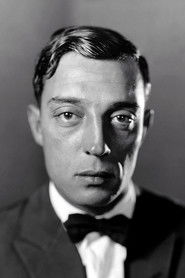
More from Buster Keaton
View all →
More about this film
About the production
Release dateAugust 28, 1921
Box officeUnknown - but was commercially successful as part of Keaton's popular short film series
ProductionBuster Keaton Productions, Joseph M. Schenck Productions
Filmed inLos Angeles, California, Various outdoor locations in California
The film featured one of Keaton's most famous and dangerous stunts - a high dive from a 60-foot platform into a swimming pool. The stunt went wrong and Keaton broke his neck when he hit the water incorrectly, though he didn't realize the severity of the injury until years later. The film also included innovative camera techniques for the time, including slow-motion effects and creative editing to enhance the comedy. The alligator scenes were filmed using real alligators, adding genuine danger to the production.
Themes
Existentialism and the meaning of lifeThe absurdity of fate and coincidenceResilience and perseveranceThe transformation of failure into successThe thin line between comedy and tragedy
Themes & topics
suicide attemptsphysical comedyslapstickdangerous stuntstransformationmisfortunealligatorhuntingdivingresiliencedark comedysilent film
Historical background
Silent-era production in 1921 relied on intertitles, live accompaniment, and studio systems that were rapidly consolidating into national industries.
Why this film matters
Hard Luck remains part of the screen heritage of its era, offering evidence of prevailing genres, production methods, and audience tastes. Later revivals, archive screenings, and digitization have kept such titles accessible to researchers and dedicated viewers long after their first commercial runs.
Making of
The production of 'Hard Luck' exemplified Keaton's commitment to practical effects and dangerous stunts. The most infamous incident involved the final diving sequence, where Keaton performed a 60-foot dive into a shallow pool. The stunt went awry when he hit the water at the wrong angle, fracturing two vertebrae in his neck. Remarkably, Keaton continued filming without realizing the severity of his injury. The film was shot quickly, as was typical for Keaton's shorts, with most scenes requiring multiple takes due to the complex physical comedy. The alligator scenes proved particularly challenging, as the live animals were unpredictable and dangerous. Keaton and his crew developed innovative camera mounting techniques to capture the dynamic action sequences, including early uses of tracking shots that would become hallmarks of his cinematic style.
What critics said
Trade and newspaper reviews from the silent period for Hard Luck survive only in fragments, making precise reception history difficult to reconstruct. Modern assessment tends to emphasize historical value, craft, and cultural context rather than box-office performance.
Did you know?
- The final scene where Keaton jumps from a high platform into a pool resulted in him breaking his neck - an injury he didn't discover until 12 years later during a medical examination.
- This was one of the few Keaton films that was considered lost for decades before a complete copy was discovered in the 1960s.
- The film features Keaton's famous 'stone face' expression throughout, even during life-threatening situations.
- The alligator used in the film was a real, live alligator that had to be carefully controlled during filming.
- The gas leak scene was filmed using actual gas, creating a potentially dangerous situation for the cast and crew.
- The bridge jumping scene was filmed at a real location with minimal safety equipment, typical of Keaton's dedication to authentic stunts.
- The film was one of Keaton's personal favorites among his short works.
- The hunting sequence was filmed on location at a real California ranch, adding authenticity to the outdoor scenes.
- The film's title 'Hard Luck' became a catchphrase associated with Keaton's perpetually unlucky characters.
- The original negative was destroyed in a studio fire in the 1930s, making the discovered print particularly valuable.
Visual style
The cinematography in 'Hard Luck' was innovative for its time, featuring creative camera angles and movement that enhanced the physical comedy. The film utilized multiple camera setups for complex gags, a technique that was still relatively new in 1921. The diving sequence was filmed with both wide shots to establish the height and danger, and closer shots to capture Keaton's reactions. The cinematography employed early forms of slow-motion effects during key moments of physical comedy, allowing audiences to better appreciate the intricacy of the stunts. The outdoor scenes took advantage of natural lighting, creating a more realistic and immersive visual experience compared to studio-bound productions of the era.
Innovations
'Hard Luck' featured several technical innovations for its time, particularly in its approach to filming dangerous stunts. The diving sequence required specially designed camera mounts to capture the fall from multiple perspectives. The film employed creative editing techniques, including match cuts and cross-cutting, to enhance the comedic timing and build suspense during action sequences. The gas leak scene utilized practical effects that were technically sophisticated for the period, creating realistic visual effects without modern CGI. The film's use of location shooting, particularly for the outdoor sequences, was relatively advanced for a short comedy of the era, demonstrating Keaton's commitment to authenticity and visual storytelling.
Music
As a silent film, 'Hard Luck' was originally accompanied by live musical performances in theaters, typically featuring piano or organ accompaniment. The score would have been compiled from popular classical pieces and original compositions tailored to enhance the comedic timing of the visual gags. Modern restorations of the film have been accompanied by newly composed scores by silent film music specialists, who attempt to recreate the musical experience of the 1920s while incorporating contemporary sensibilities. The music typically follows the emotional arc of the film, starting with melancholic themes during the suicide attempts and transitioning to more upbeat compositions as the protagonist's confidence grows.
Famous quotes
As a silent film, 'Hard Luck' contains no spoken dialogue, but Keaton's intertitles include memorable lines such as 'He tried everything - even tried to get a job' and 'His luck was so bad that when he tried to hang himself, the rope broke.'
The film's most famous 'quote' is visual rather than verbal: Keaton's deadpan expression throughout his suicide attempts, which became an iconic representation of stoic comedy.
Memorable scenes
- The opening sequence where Keaton attempts various methods of suicide, each failing comically - the gas scene where he survives because the window blows open, the drowning attempt where he's saved by fishermen, and the bridge jump where he lands safely on a boat.
- The famous diving sequence where Keaton performs a 60-foot dive into a swimming pool, resulting in his broken neck but creating one of cinema's most stunts.
- The alligator hunting scene where Keaton must escape from real alligators, combining genuine danger with comedic timing.
- The transformation sequence where Keaton, having gained confidence, begins performing increasingly daring acts, showing his character's complete reversal from the opening scenes.
What audiences thought
Initial audience response to 'Hard Luck' was overwhelmingly positive, with theaters reporting strong attendance and enthusiastic reactions to the film's comedy sequences. The diving sequence became particularly famous, with audiences often gasping at the apparent danger while simultaneously laughing at the comedic timing. The film's success contributed to Keaton's growing popularity as a major comedy star. Modern audiences, viewing the film through the lens of historical context, have come to appreciate its sophisticated blend of physical comedy and darker themes. The film remains popular among silent film enthusiasts and is frequently shown at classic film festivals, where it continues to elicit strong audience reactions.
Film connections
Influenced by
- The general style of Mack Sennett comedies
- Charlie Chaplin's tramp character
- Harold Lloyd's everyday man comedies
- Circus and vaudeville performance traditions
- Early American slapstick comedy
- European physical comedy traditions
This film influenced
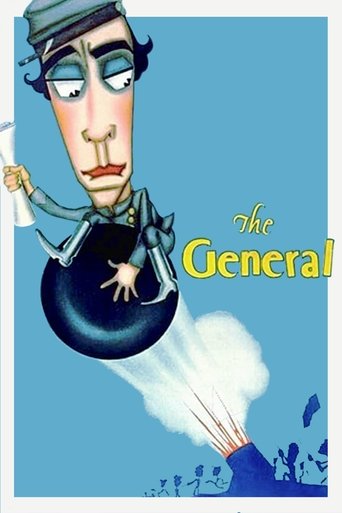
- Later Keaton features including 'The General'
- Jackie Chan's action comedy films
- Jim Carrey's physical comedy performances
- The Coen Brothers' dark comedies
- Modern stunt-based comedy films
Film restoration
The film was considered lost for many years until a complete print was discovered in the 1960s. It has since been restored and preserved by various film archives, including the Library of Congress and the Museum of Modern Art. The restored version is available for viewing and has been included in several Keaton film collections. While some deterioration is visible due to the film's age and the condition of the discovered print, the restoration work has made it viewable for modern audiences.
Where to watch
- Available on The Criterion Channel
- Included in various Buster Keaton DVD and Blu-ray collections
- Available for streaming on some classic film platforms
- Occasionally shown at film festivals and classic cinema screenings
- Available through some public domain film websites