Bull Montana
Actor
Born: May 18, 1887 in Voghera, Italy Died: January 24, 1950 Active: 1917-1926 Birth Name: Luigi Montagnana
Films
10 films


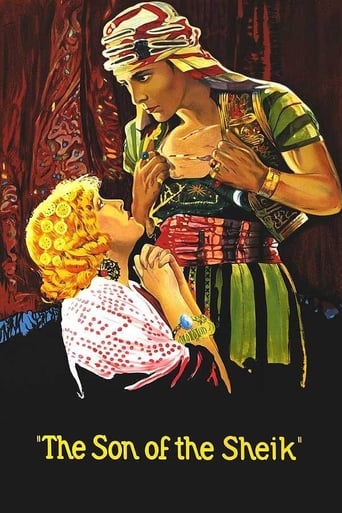
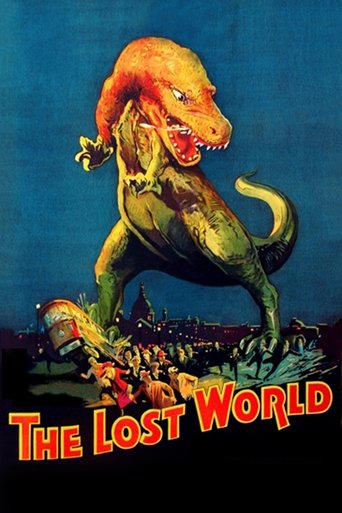
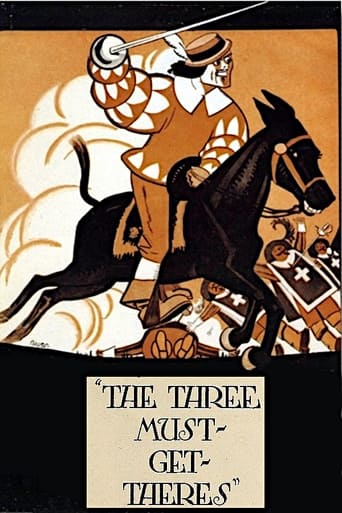
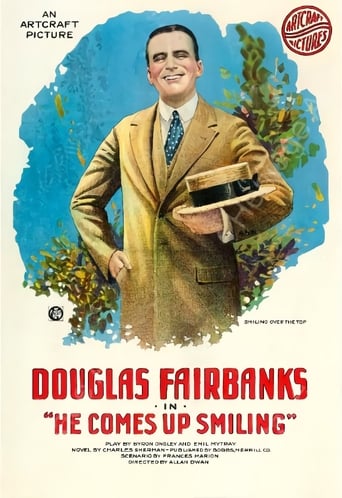
About Bull Montana
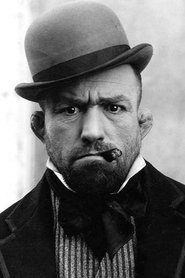
Bull Montana, born Luigi Montagnana, was an Italian-American actor who transitioned from professional wrestling to become recognizable character actors of the silent film era. After immigrating to the United States, he first gained fame as a wrestler in the early 1910s, where his imposing physique and distinctive appearance caught the attention of film producers. He made his film debut in 1917 and quickly became typecast as villains, thugs, and menacing heavies due to his muscular build and intimidating screen presence. Montana worked with some of the biggest stars of the era, including Douglas Fairbanks in films like 'Wild and Woolly' and 'When the Clouds Roll By.' His career peaked during the late 1910s and early 1920s, where he appeared in dozens of films, often uncredited but always memorable. As the silent era gave way to talkies, Montana's career began to wane, though he continued working in smaller roles through the mid-1920s. His final film appearances were in 1926, after which he largely retired from the film industry, leaving behind a legacy as one of silent cinema's most recognizable character actors.
The Craft
On Screen
Bull Montana was known for his physical, imposing acting style that relied heavily on his intimidating presence and athletic abilities. His background in professional wrestling gave him a unique physicality that he brought to his roles, allowing him to perform his own stunts and fight sequences with authenticity. As a silent film actor, he mastered the art of conveying menace and threat through facial expressions and body language, often using his massive frame to dominate scenes. Despite being typecast as villains, Montana brought a certain theatrical flair to his performances that made his characters memorable even in small roles.
Milestones
- Transition from professional wrestling to acting in 1917
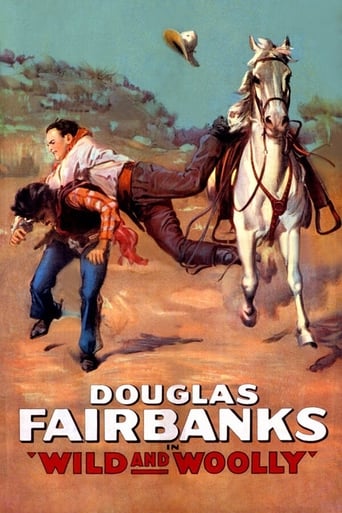
- Breakthrough role in Douglas Fairbanks' 'Wild and Woolly' (1917)
- Frequent collaborations with major stars of the silent era
- Established himself as
- Appeared in over 60 films during his career
Best Known For
Iconic Roles
Must-See Films
Accolades
Special Recognition
- Recognized as
Working Relationships
Worked Often With
Studios
Why They Matter
Impact on Culture
Bull Montana represented an important archetype in early American cinema - the foreign-born, physically imposing villain who embodied the fears and anxieties of the immigrant experience in America. His success as an Italian-American actor helped pave the way for other ethnic actors in Hollywood, though often within the constraints of stereotypical casting. Montana's transition from sports entertainment to film acting also demonstrated the growing interconnectedness between different forms of popular entertainment in the early 20th century. His distinctive appearance and memorable screen presence contributed to the visual language of silent film villainy, influencing how antagonists would be portrayed for decades to come.
Lasting Legacy
Bull Montana's legacy endures as. While never a leading man, his contributions to dozens of classic films helped create the Golden Age Hollywood cinema. His work exemplifies the importance of character actors in supporting the stars and creating memorable cinematic moments. Montana's career trajectory from wrestler to actor also highlights the diverse paths people took to find success in early Hollywood. Today, film historians and silent cinema scholars recognize him as an essential figure in understanding the casting practices and visual storytelling techniques of the silent film era.
Who They Inspired
Montana influenced generations of character actors who specialized in villainous or physically intimidating roles. His ability to create memorable characters with limited screen time demonstrated the importance of supporting players in film narratives. The physicality he brought to his performances helped establish standards for action and fight choreography in early cinema. Later actors who specialized in heavy roles, whether in gangster films, westerns, or adventure movies, owe a debt to pioneers like Montana who established the visual vocabulary of cinematic villainy.
Off Screen
Bull Montana was married and had children, though he kept his personal life relatively private compared to his public persona. After retiring from films, he lived a quiet life away from the Hollywood spotlight. His transition from Italian immigrant to American film star represented the classic American dream story of the early 20th century. Montana maintained connections to his Italian heritage throughout his life while embracing his adopted country.
Education
Limited formal education; trained primarily through his wrestling career and practical experience in films
Family
- Josephine Montagnana (1910-1950)
Did You Know?
- Professional wrestler before entering films, wrestling under the name 'The Italian Lion'
- He stood 6'2" tall and weighed over 250 pounds, making him an imposing figure in silent films
- His real name was Luigi Montagnana, but he adopted 'Bull Montana' as his professional name
- He appeared in Buster Keaton's classic comedy 'Hard Luck' (1921)
- Montana was one of the few character actors of the silent era to consistently receive screen credit
- He performed many of his own stunts due to his athletic background
- Montana worked with Douglas Fairbanks in multiple films, becoming one of Fairbanks' favorite antagonists
- Despite his villainous roles, he was known as a gentle giant off-screen
- He was fluent in both Italian and English, which helped him in early Hollywood
- His distinctive facial features made him
In Their Own Words
In wrestling, as in pictures, the bigger they are, the harder they fall - and I should know, I've been both big and fallen many times.
Douglas Fairbanks taught me that even a villain can be graceful on screen - it's all in how you carry yourself.
Frequently Asked Questions
Who was Bull Montana?
Italian-American with credits in this catalog. Born Luigi Montagnana in Italy, he immigrated to America and transitioned from wrestling to acting in 1917, appearing in dozens of films until his retirement in 1926.
What films is Bull Montana best known for?
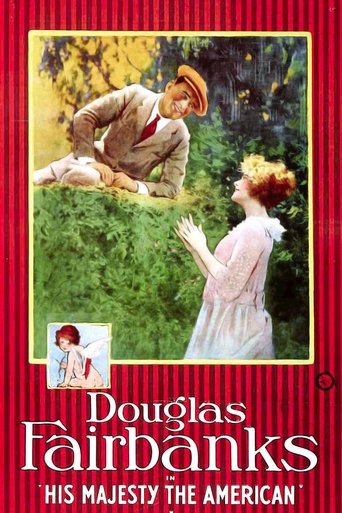
Titles linked here include Wild and Woolly (1917), His Majesty, the American (1919).
When was Bull Montana born and when did he die?
Born May 18, 1887; died January 24, 1950.
What awards did Bull Montana win?
Bull Montana did not receive formal awards during his career, as was common for many character actors of the silent era. However, he was recognized as.
What was Bull Montana's acting style?
Montana's acting style was heavily physical and imposing, leveraging his background as a professional wrestler to create intimidating and memorable villain characters. He excelled at using his massive frame and facial expressions to convey menace in silent films, often performing his own stunts and fight sequences with authentic athletic ability.
How did Bull Montana get into acting?
Montana transitioned into acting from his successful career as a professional wrestler in the early 1910s. His impressive physique and distinctive appearance caught the attention of film producers, leading to his film debut in 1917. Douglas Fairbanks was instrumental in launching his film career, casting him in several of his popular adventure films.
What was Bull Montana's real name?
Bull Montana's real name was Luigi Montagnana. He adopted the stage name 'Bull Montana' when he entered professional wrestling and carried it over into his film career, choosing a name that reflected his powerful physique and Italian heritage.
Why did Bull Montana's career end?
Montana's career began to wane as the silent era gave way to talkies in the late 1920s. While he had been perfect for silent film villainy, the transition to sound films brought new demands and casting preferences. He made his final film appearances in 1926 and retired from the industry, living a relatively quiet life until his death in 1950.