
Victory
"Joseph Conrad's Victory on a South Seas island."
Keys: Space play/pause · ←/→ 10s · F fullscreen · M mute · </> speed
About this film
Axel Heyst, a reclusive Swedish businessman who has withdrawn from society to live alone on a remote island in the Dutch East Indies. After rescuing Alma, a young woman from a traveling orchestra led by the manipulative Mr. Schomberg, Heyst brings her to his isolated paradise. Their peaceful existence is shattered when three criminals arrive, seeking treasure rumored to be hidden on the island. The situation escalates into a violent confrontation as Heyst must confront his isolation and protect Alma from the greed and brutality that have invaded his sanctuary.
Cast & crew
More films like this
More Drama films
View all →







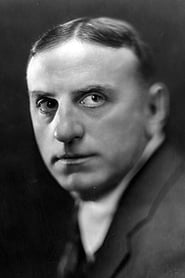
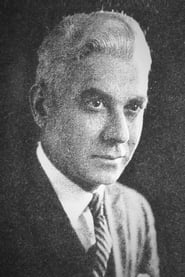
More from Maurice Tourneur
View all →
More about this film
About the production
Release dateMarch 1919
ProductionFamous Players-Lasky Corporation
Filmed inFort Lee, New Jersey, New York City Studios
The film was one of several literary adaptations directed by Maurice Tourneur during his American period. Tourneur was known for his sophisticated visual style and attention to atmospheric detail. The production utilized elaborate sets to recreate the South Seas setting, including detailed jungle environments and beach scenes. The film was made during Tourneur's peak creative period in America before his return to France.
Themes
Isolation and solitudeHuman violence and brutalityThe conflict between civilization and barbarismRedemption through loveGreed and its consequences
Themes & topics
Historical background
Victory (1919) reached screens through Famous Players-Lasky Corporation. Exhibitors of the time built silent-era bills that mixed shorts, features, and live acts, so a clear premise helped Victory travel between cities and exchange markets.
Why this film matters
Archivists and revival programmers still cite Victory (1919) when tracing studio habits, casting pools, and the visual rhetoric audiences once took for granted. Even modest surviving prints help map how Victory fit beside competing releases of its day.
Making of
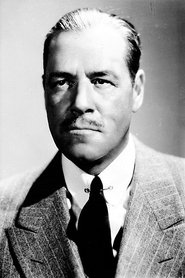
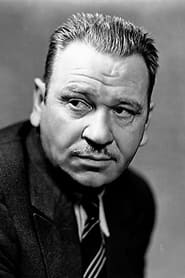
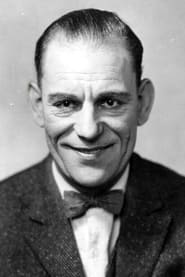
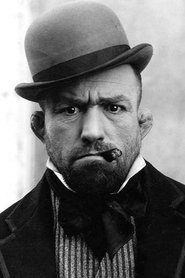
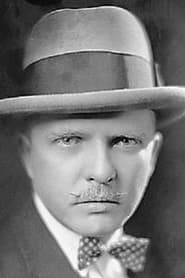
The production of Victory took place during a pivotal moment in cinema history when the industry was shifting from short films to feature-length productions. Director Maurice Tourneur, known for his artistic approach to filmmaking, brought his European sensibilities to this American production. The casting of Jack Holt as the protagonist Axel Heyst was considered an inspired choice, as Holt's intense screen presence perfectly captured the character's isolation and inner turmoil. Wallace Beery, who would later become one of Hollywood's most recognizable character actors, delivered a particularly menacing performance as Schomberg. The production design was elaborate for its time, with detailed sets meant to evoke the exotic atmosphere of the Dutch East Indies. Tourneur's innovative use of lighting and camera movement, learned from his background in French art cinema, was reportedly at its peak in this production.
What critics said
Trade coverage around 1919 discussed Victory for pacing, clarity, and program fit rather than blockbuster grosses. Later writers value it as evidence of period style and as a reference point beside other films from the same era.
Did you know?
- The film is considered lost, with no complete copies known to exist in any archive or private collection
- This was the first film adaptation of Joseph Conrad's 1915 novel 'Victory: An Island Tale'
- Director Maurice Tourneur was particularly proud of this adaptation, considering it one of his finest works
- Wallace Beery's performance as the villainous Schomberg was considered one of his early breakthrough roles
- The film was produced during the transition period when Hollywood was establishing itself as the center of American film production
- Joseph Conrad reportedly expressed interest in the film adaptation, though he never saw the completed work
- The production was
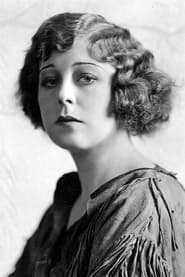
- Seena Owen, who played Alma, was popular actresses of the late 1910s
- The film's South Seas setting was entirely recreated on studio sets and backlots in New Jersey
- This was one of the last major films Tourneur made in America before returning to France
Visual style
Though the film itself is lost, contemporary accounts and production stills indicate that Victory featured Tourneur's characteristic sophisticated visual style. The cinematography reportedly made effective use of lighting to create atmospheric effects, particularly in the jungle and beach scenes. Tourneur was known for his innovative camera movements and composition, and Victory was said to showcase these techniques at their finest. The film employed location-style photography despite being shot on studio sets, using careful lighting and set design to create the illusion of the South Seas environment. The visual storytelling was particularly praised for its ability to convey the psychological states of the characters through imagery rather than relying on intertitles.
Innovations
Victory was noted for its technical sophistication in several areas. The film's production design was particularly advanced for its time, with elaborate sets that convincingly recreated the South Seas environment. Tourneur's use of lighting techniques, learned from his European background, was considered innovative for American cinema of the period. The film also employed relatively complex camera movements and compositions that elevated it above more static productions of the era. The special effects used to create the island setting and some of the action sequences were praised by contemporary reviewers for their realism. The film's editing techniques, particularly in building tension during the climactic scenes, were also considered advanced for 1919.
Music
As a silent film, Victory would have been accompanied by live musical performance during its theatrical run. Theaters typically employed orchestras or organists to provide appropriate musical accompaniment. The score would have followed the dramatic structure of the film, with romantic themes for the scenes between Heyst and Alma, tension-building music for the arrival of the criminals, and dramatic motifs for the violent confrontations. While the specific musical compositions used are not documented, they would have drawn from the standard repertoire of silent film accompaniment, possibly including adaptations of classical pieces and original compositions by the theater's musical director.
Famous quotes
As a silent film, Victory conveyed its dialogue through intertitles, but specific intertitle text has not been preserved with the loss of the film
Memorable scenes
- The dramatic confrontation between Heyst and the three criminals on the beach, described in contemporary reviews as a masterful sequence of tension and violence
- The romantic scenes between Heyst and Alma on the isolated island, praised for their atmospheric beauty
- Schomberg's menacing introduction, which established Wallace Beery's character as a formidable villain
What audiences thought
Audience reception to Victory in 1919 was generally positive, with the film performing well at the box office in major urban markets. The exotic South Seas setting and dramatic storyline appealed to post-war audiences seeking escapist entertainment. Jack Holt's growing popularity as a leading man helped draw audiences to theaters. The film's sophisticated themes and artistic approach were appreciated by the increasingly literate movie-going public of the late 1910s. While not as commercially successful as some simpler melodramas of the era, Victory found its audience among viewers seeking more substantial cinematic fare. The film's reputation among audiences grew over time, particularly as Conrad's literary stature increased throughout the 20th century.
Film connections
Influenced by
- Joseph Conrad's novel 'Victory: An Island Tale'
- European art cinema traditions
- German expressionist visual style
- Literary adaptation movement of the 1910s
This film influenced
- Later adaptations of Conrad's works
- South Seas adventure films of the 1920s and 1930s
- Psychological dramas of the silent era
- Island survival films
Film restoration
Victory (1919) is considered a lost film. No complete copies are known to exist in any film archive or private collection worldwide. Only a few production stills and contemporary reviews survive to document the film's existence. The loss is particularly significant given the film's reputation as one of Maurice Tourneur's finest works and its status as an early adaptation of Joseph Conrad's novel. The film was likely lost due to the deterioration of nitrate film stock, which was common for films of this era, and the lack of preservation efforts in early Hollywood.
Where to watch
- Unfortunately, Victory (1919) cannot be watched as it is a lost film with no known surviving copies. Film enthusiasts can only experience it through contemporary reviews, production stills, and written descriptions of its content.