Films
2 films
About Betty Bouton
Silent film actress who had a brief but notable career during the transitional year of 1919, appearing in two significant productions of the era. She made her mark in the Mary Pickford starrer 'Daddy-Long-Legs,' successful films of 1919, where she played a supporting role alongside the 'America's Sweetheart.' Later that same year, she appeared in 'Victory,' an ambitious adaptation of Joseph Conrad's complex novel, demonstrating her ability to work in sophisticated literary adaptations. Bouton's acting style reflected the dramatic, expressive techniques characteristic of late silent cinema, with exaggerated gestures and facial expressions necessary to convey emotion without dialogue. Despite her promising start in two high-profile productions, her film career appears to have been limited to this single year, making her a representative example of the many actors who briefly passed through Hollywood during its formative period. Her disappearance from film records after 1919 suggests she may have left the industry, married, or pursued other interests, as was common for many early film actresses. Though her time in cinema was brief, her participation in these significant 1919 productions places her within the historical context of early Hollywood's golden age.
The Craft
On Screen
Employed the dramatic, expressive techniques typical of late silent era acting, with emphasis on facial expressions and body language to convey emotion to audiences
Milestones
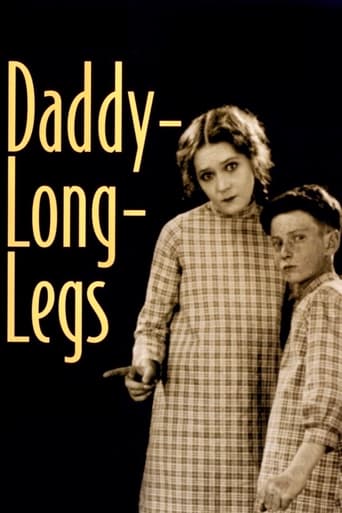
- Appeared in Mary Pickford's 'Daddy-Long-Legs' (1919)
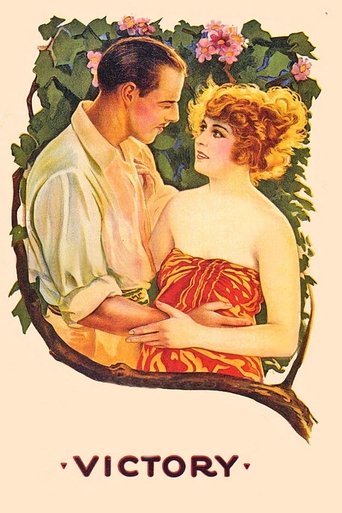
- Featured in the literary adaptation 'Victory' (1919)
- Worked during the pivotal transition year in silent cinema
Best Known For
Iconic Roles
Must-See Films
Working Relationships
Worked Often With
Studios
Why They Matter
Impact on Culture
Betty Bouton represents the countless supporting actors who formed the backbone of early Hollywood's film industry, contributing to significant productions despite their brief careers. Her appearance in 'Daddy-Long-Legs' places her within the orbit of Mary Pickford, one of cinema's first true superstars and a pivotal figure in establishing the star system and studio structure. Her participation in literary adaptations like 'Victory' demonstrates the early film industry's ambition to bring serious literature to the screen, helping establish cinema as a legitimate art form. Though her individual impact was minimal due to her brief career, she contributed to the overall development of silent cinema during its peak creative period.
Lasting Legacy
Betty Bouton's legacy is primarily as a historical footnote representing the ephemeral nature of early film careers and the vast number of actors who passed through Hollywood during its formative years. Her documented appearances in two significant 1919 productions make her a subject of interest for film historians and silent cinema enthusiasts studying the complete casts of important early films. While she did not achieve lasting fame or recognition, her work contributes to our understanding of the ensemble nature of early film production and the supporting players who helped create cinema's most enduring classics.
Who They Inspired
Due to her extremely brief career, Betty Bouton had minimal direct influence on subsequent actors or filmmakers. However, her participation in successful productions during a pivotal year in film history places her within the broader context of cinema's development from novelty to art form. Her work alongside established stars like Mary Pickford would have exposed her to professional standards and techniques that were becoming established in the industry during this period.
Off Screen
Very little is documented about Betty Bouton's personal life, which was typical for many supporting actors of the silent era who did not achieve star status. Her disappearance from film records after 1919 suggests she may have married and changed her name, returned to her hometown, or pursued other career opportunities outside the entertainment industry.
Did You Know?
- Betty Bouton's entire known film career consists of just two films, both released in 1919
- She appeared in 'Daddy-Long-Legs' during Mary Pickford's peak popularity period
- Her film 'Victory' was an early attempt to adapt the complex works of Joseph Conrad to the screen
- 1919 was a significant year in cinema, marking the transition from short films to feature-length productions
- Her active years covered less than 12 months, making her one of Hollywood's briefest film careers
- No photographs or extensive biographical information about her have survived in major film archives
- Her disappearance from film records after 1919 was not uncommon for supporting actors of the era
- She worked during the period when actors were transitioning from stage acting techniques to cinema-specific performance styles
Frequently Asked Questions
Who was Betty Bouton?
Silent film actress active only in 1919, known for appearing in two notable films: 'Daddy-Long-Legs' starring Mary Pickford and 'Victory,' an adaptation of Joseph Conrad's novel. Her career was extremely brief, lasting less than a year, making her representative of many early Hollywood supporting players.
What films is Betty Bouton best known for?
Titles linked here include Daddy-Long-Legs (1919), Victory (1919).
When was Betty Bouton born and when did she die?
Unfortunately, Betty Bouton's birth and death dates are not documented in available film archives or historical records, which was common for many supporting actors of the silent era who did not achieve star status.
What awards did Betty Bouton win?
There are no records of Betty Bouton receiving any major awards or nominations during her brief 1919 film career. The Academy Awards were not established until 1929, well after her acting career had ended.
What was Betty Bouton's acting style?
Based on the period in which she worked, Betty Bouton would have employed the dramatic, expressive techniques typical of late silent era acting, using exaggerated gestures and facial expressions to convey emotion without the benefit of synchronized sound.
Why did Betty Bouton's career end so quickly?
The reasons for Betty Bouton's abrupt departure from films after 1919 are unknown, but this was not uncommon for early cinema actors. Many left the industry due to marriage, the physical demands of filmmaking, or simply moved on to other careers as Hollywood became more professionalized.
Did Betty Bouton work with any famous stars?
Yes, Betty Bouton appeared in 'Daddy-Long-Legs' with Mary Pickford, who was one of the biggest stars of the silent era and a co-founder of United Artists. She also worked with director Marshall Neilan on this production.