Films
5 films


About William Bailey
American actor who worked during the silent film era, primarily appearing in supporting and character roles throughout the 1910s and 1920s. His the transitional period between the height of silent cinema and the emergence of sound films, with his known filmography extending from 1919 to 1928. Bailey appeared in the 1919 adaptation of Joseph Conrad's 'Victory,' demonstrating his involvement in literary adaptations during silent cinema's golden age. He continued working through the 1920s, appearing in films like 'The Way of the Strong' in 1928, which was near the end of the silent era. Like many character actors of his time, Bailey's contributions to early cinema were often uncredited or minimally documented, making comprehensive details about his career challenging to trace. His work represents the typical journey of many supporting actors who formed the backbone of Hollywood's studio system during its formative years.
The Craft
Milestones
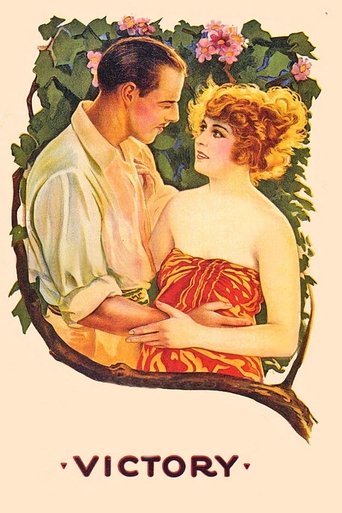
- Appeared in 'Victory' (1919), an adaptation of Joseph Conrad's novel
- Worked during the transition from silent to sound films
- Had a decade-long career during Hollywood's formative years
- Appeared in 'The Way of the Strong' (1928) near the end of the silent era
Best Known For
Iconic Roles
Must-See Films
Why They Matter
Impact on Culture
William Bailey represents the numerous character actors and supporting players who were essential to the functioning of Hollywood's studio system during the silent era. While not a major star, actors like Bailey provided the necessary depth and authenticity to films of the period, often playing various roles that helped establish the narrative and emotional tone of productions. His participation in adaptations of literary works like 'Victory' contributed to the cultural practice of bringing classic literature to the silver screen, helping to make these stories accessible to broader audiences during cinema's early decades.
Lasting Legacy
The legacy of actors like William Bailey lies in their contribution to the foundation of American cinema during its most formative years. While individual performances may not be widely remembered today, the collective work of such actors created the silent film that influenced generations of filmmakers. Bailey's career trajectory, spanning nearly a decade during the silent era's peak and transition to sound, exemplifies the typical career path of many working actors of the time who adapted to the rapidly changing technology and industry standards of early Hollywood.
Who They Inspired
As a supporting actor during the silent era, William Bailey's direct influence on subsequent generations of performers is difficult to trace, as was common for actors who did not achieve star status. However, like all actors of his generation, he contributed to the development of acting techniques specific to silent cinema, where expression and physicality were paramount. The work of actors like Bailey helped establish conventions of film acting that would evolve and influence performers throughout the 20th century.
Off Screen
Limited information is available about William Bailey's personal life, which was common for supporting actors of the silent era who did not achieve major stardom.
Did You Know?
- William Bailey worked during the final decade of the silent film era
- He appeared in 'Victory' (1919), an adaptation of Joseph Conrad's novel
- His known filmography spans exactly nine years, from 1919 to 1928
- Like many silent era actors, detailed records of his career are limited
- His last known film appearance was in 1928, the year before the full transition to sound
- He represents the typical character actor who was essential but often undocumented in early Hollywood
Frequently Asked Questions
Who was William Bailey?
American with credits in this catalog.
What films is William Bailey best known for?
Titles linked here include Victory (1919), The Way of the Strong (1928).
When was William Bailey active in films?
William Bailey was active in the film industry from 1919 to 1928, working during the height of the silent film era and its transition to sound cinema.
What type of roles did William Bailey typically play?
Based on limited documentation, William Bailey appeared to work in supporting and character roles, which was common for many actors of the silent era who were not leading stars.
Why is there limited information about William Bailey?
Limited information about William Bailey is typical of supporting actors from the silent era who did not achieve major stardom, as detailed records were often not maintained for non-leading performers during early Hollywood.