Ruth Renick
Actor
Born: November 23, 1893 in Denver, Colorado, USA Died: January 7, 1965 Active: 1919-1922
Films
5 films

About Ruth Renick
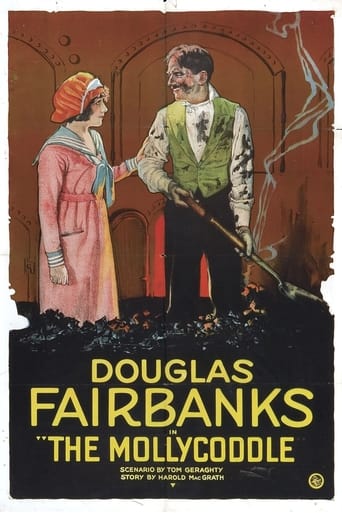
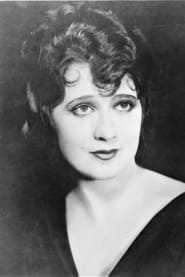
American silent film actress who rose to prominence during the late 1910s and early 1920s. Born in Denver, Colorado, she began her film career in 1919 and quickly secured roles in several notable productions of the era. Her most significant performances included starring opposite Douglas Fairbanks in 'The Mollycoddle' (1920) and appearing in the adaptation of Joseph Conrad's 'Victory' (1919). Renick was known for her natural screen presence and ability to portray both innocent and sophisticated characters. Despite her promising start, her film career was relatively brief, lasting only a few years before she retired from acting. Her work during this transitional period in cinema history represents the typical trajectory of many silent era actresses who found success but did not transition into the sound era. Renick's legacy remains primarily through her preserved silent films that showcase the acting styles and storytelling techniques of early American cinema.
The Craft
On Screen
Ruth Renick embodied the naturalistic acting style that was emerging in the late silent era, moving away from the exaggerated gestures of earlier silent films. Her performances were characterized by subtle facial expressions and a restrained approach that suited the more sophisticated productions of the early 1920s. She had a particular talent for conveying emotion through her eyes, a skill highly valued in silent cinema. Renick's screen presence combined innocence with an underlying sophistication, allowing her to play both naive young women and more complex romantic interests.
Milestones
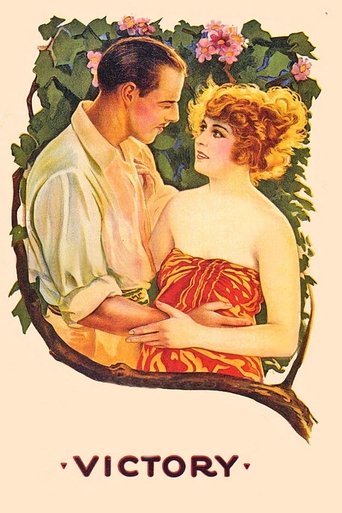
- Starred in 'Victory' (1919), an adaptation of Joseph Conrad's novel
- Appeared alongside Douglas Fairbanks in 'The Mollycoddle' (1920)
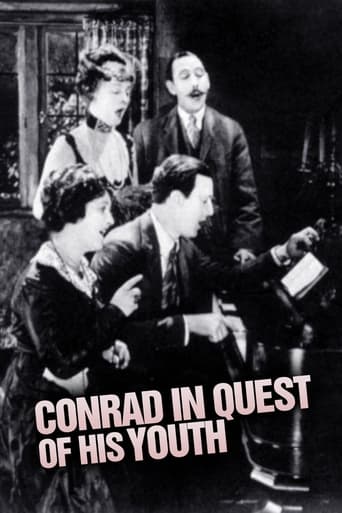
- Featured in 'Conrad in Quest of His Youth' (1920)
- Worked during the pivotal transition years of American silent cinema
Best Known For
Iconic Roles
Must-See Films
Working Relationships
Worked Often With
Studios
Why They Matter
Impact on Culture
Ruth Renick's contribution to cinema, while brief, represents the important transitional period of American silent film from the 1910s to the 1920s. Her work in adaptations of literary works like 'Victory' helped establish the practice of bringing serious literature to the silver screen. Her collaboration with major stars like Douglas Fairbanks placed her within the circle of influential filmmakers who were shaping the language of cinema. Renick's naturalistic acting style was part of the evolution away from theatrical pantomime toward more subtle, film-specific performance techniques that would become standard in the industry.
Lasting Legacy
Ruth Renick's legacy exists primarily through the preserved silent films that feature her performances, which serve as valuable artifacts of early American cinema. Her brief career exemplifies the experience of many silent era actors who found success during the boom years but did not transition into later periods of filmmaking. The films she appeared in, particularly 'The Mollycoddle' and 'Victory,' remain important examples of late silent era production values and storytelling techniques. Film historians and silent cinema enthusiasts continue to study her work as representative of the acting styles and career patterns of women in early Hollywood.
Who They Inspired
As a relatively minor figure in cinema history, Ruth Renick's direct influence on subsequent generations of actors was limited due to her brief career. However, her participation in the evolution of more naturalistic acting styles in silent film contributed to the broader development of film performance techniques. Her work in literary adaptations helped demonstrate the potential for serious dramatic content in cinema, influencing future filmmakers' approach to adapting novels for the screen. The professional path she followed—from regional origins to Hollywood stardom to early retirement—was typical for many women in early cinema and reflected both the opportunities and limitations of the era.
Off Screen
Ruth Renick was born in Colorado and moved to California to pursue her acting career during the silent film boom. She married actor and director James Gordon Edwards in 1920, which may have influenced her career opportunities during her brief time in Hollywood. After her film career ended in the early 1920s, Renick largely disappeared from public life, choosing to focus on her personal life away from the entertainment industry. Her later years were spent away from the spotlight, and she passed away in 1965, having witnessed the dramatic transformation of the film industry she briefly participated in during its formative years.
Family
- James Gordon Edwards (1920-1925)
Did You Know?
- Born in Denver, Colorado, before moving to Hollywood during the silent film boom
- Her film career lasted only about three years, from 1919 to 1922
- Appeared in 'Victory' (1919), which was based on a novel by Joseph Conrad
- Worked with Douglas Fairbanks, one of the biggest stars of the silent era
- Married director James Gordon Edwards, which may have provided career opportunities
- Her career ended before the transition to sound films in the late 1920s
- Like many silent era actors, she largely disappeared from public view after retiring
- Her naturalistic acting style was part of the evolution away from exaggerated silent film gestures
- She was part of the Famous Players-Lasky Corporation roster of actors
- Her films are preserved as important examples of late silent era cinema
Frequently Asked Questions
Who was Ruth Renick?
American silent film actress active in the early 1920s, known for her roles in films like 'Victory' (1919) and 'The Mollycoddle' (1920) alongside Douglas Fairbanks. Her career was brief but significant during the transitional period of American silent cinema.
What films is Ruth Renick best known for?
Titles linked here include Victory (1919), The Mollycoddle (1920).
When was Ruth Renick born and when did she die?
Born November 23, 1893; died January 7, 1965.
What awards did Ruth Renick win?
Ruth Renick did not receive any major awards or nominations during her brief film career. Her work was during an era before the establishment of many formal acting awards in Hollywood.
What was Ruth Renick's acting style?
Ruth Renick was known for her naturalistic acting style that represented the evolution away from exaggerated silent film gestures. She used subtle facial expressions and restrained performances that suited the more sophisticated productions of the early 1920s.