The Mollycoddle
"Fairbanks from dandy to fighter"
Keys: Space play/pause · ←/→ 10s · F fullscreen · M mute · </> speed
About this film
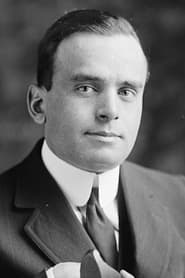
Douglas Fairbanks plays a soft cosmopolitan expatriate who returns to Arizona and must shed his manners to fight a diamond-smuggling ring.
Cast & crew
More films like this
More Adventure films
View all →
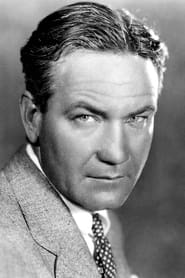
More from Victor Fleming
View all →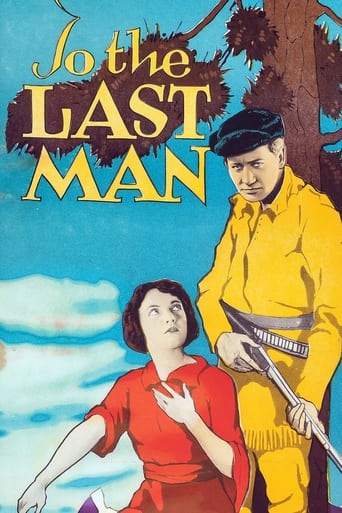

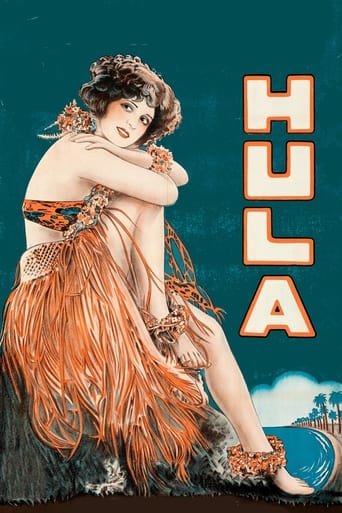
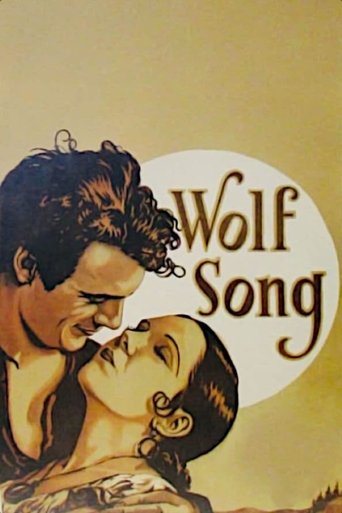
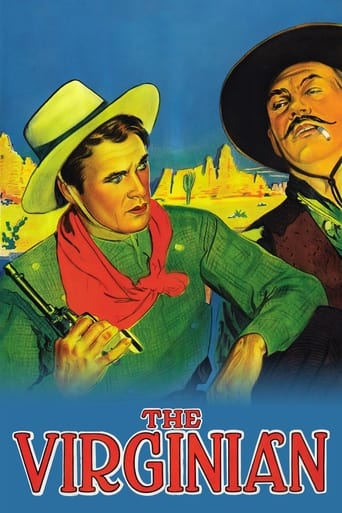
More about this film
About the production
Release dateMay 16, 1920
BudgetApproximately $250,000 (substantial for 1920, typical of Fairbanks' prestige productions)
Box officeHighly successful, grossing over $1 million domestically, making it one of the year's top earners
ProductionDouglas Fairbanks Pictures Corporation, United Artists (distributor)
Filmed inGrand Canyon, Arizona, Sedona, Arizona, Fairbanks Studio, Hollywood, California
This was one of the first major Hollywood productions to shoot extensively on location in Arizona, taking advantage of the state's dramatic landscapes. The production faced challenges with the remote filming locations, requiring the crew to transport equipment by mule trains to reach certain canyon locations. Fairbanks insisted on performing many of his own stunts, including dangerous sequences along canyon cliffs. The film's production coincided with Fairbanks' formation of United Artists with Charlie Chaplin, Mary Pickford, and D.W. Griffith, making it one of the new studio's early prestige releases.
Themes
American identity vs. European sophisticationTransformation and personal growthMasculinity and heroismNature vs. civilizationPatriotism and nationalism
Themes & topics
Historical background
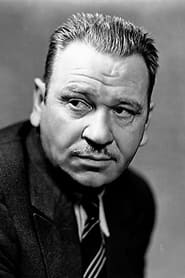
Made in 1920, The Mollycoddle belongs to the Jazz Age and carries the visual and narrative habits of its time. Beery plays an ice-cold villain brawling with Fairbanks' character all the way down the side of a steep mountain in one sequence. A copy of the film is in the Museum of Modern Art and in other film collections.
Why this film matters
For collectors of early and classic cinema, The Mollycoddle illustrates the range of subjects and styles that reached theaters in 1920.
Making of
The production of 'The Mollycoddle' marked a significant moment in Douglas Fairbanks' career as he transitioned from pure comedy to adventure films. Fairbanks was deeply involved in every aspect of production, from script development to location scouting. The decision to film on location in Arizona was groundbreaking for the time, as most studios preferred controlled studio environments. The cast and crew spent nearly two months in Arizona, facing extreme weather conditions and logistical challenges. Fairbanks, known for his dedication to physical fitness, trained extensively for the role, particularly for the climbing and action sequences. Director Victor Fleming, still early in his directorial career, brought his technical expertise as a former cameraman to capture the spectacular Arizona landscapes effectively. The film's success convinced Fairbanks to continue making adventure films, leading to his famous swashbuckling roles like 'The Mark of Zorro' and 'Robin Hood.'
What critics said
Critics writing near 1920 focused on how The Mollycoddle compared with rival titles in the same season.
Did you know?
- This was the first of five collaborations between Douglas Fairbanks and director Victor Fleming, who would later direct 'Gone with the Wind' and 'The Wizard of Oz.'
- The film's title 'Mollycoddle' was a popular term in the 1920s for an overprotected or effeminate man, reflecting post-WWI American masculinity concerns.
- Wallace Beery, who plays the villain, would later win an Academy Award for 'The Champ' (1931) and become one of MGM's highest-paid actors.
- The Arizona location filming was so extensive that the production company had to build temporary camps for cast and crew in the Grand Canyon.
- Fairbanks performed a dangerous stunt where he had to leap across a canyon gap, which was filmed without safety nets or modern equipment.
- The film was one of the first to feature the transformation of a 'sissy' character into an action hero, a trope that would become common in American cinema.
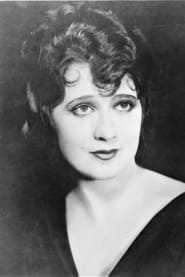
- Ruth Renick, the female lead, was discovered by Fairbanks and this was her breakthrough role, though she would retire from acting a few years later.
- The film's success helped establish the American West as a viable location for major Hollywood productions, leading to more location shooting in the region.
- Contemporary reviewers particularly praised Fairbanks' athletic performance and the authentic Arizona scenery.
- The film's themes of Americanism versus European sophistication reflected the isolationist sentiment prevalent in post-WWI America.
Awards & recognition
- Photoplay Magazine Medal of Honor (1920) - Winner
Visual style
The cinematography of 'The Mollycoddle' was groundbreaking for its time, particularly in its use of location photography in Arizona. Cinematographers William C. McGann and Ira H. Morgan captured the dramatic landscapes of the Grand Canyon and Sedona with a sense of scale and majesty that was rare in 1920 cinema. The film employed innovative camera techniques for its action sequences, including dynamic tracking shots during chase scenes and carefully composed wide shots that emphasized the vastness of the American West. The contrast between the refined, European-style interior shots and the rugged outdoor sequences was deliberately crafted to highlight the protagonist's transformation. The film also featured some of the earliest examples of cliff-side photography, with cameras positioned at dangerous angles to capture Fairbanks' stunt work. The visual storytelling effectively used light and shadow to create mood and tension, particularly in the scenes involving the smugglers' operations.
Innovations
The Mollycoddle featured several technical innovations for its time, most notably in its extensive use of location photography. The production employed portable cameras and lighting equipment that could be transported to remote Arizona locations, a significant logistical achievement in 1920. The film's cliff-side sequences required innovative camera mounting techniques to safely capture the dangerous stunt work. The production also utilized early forms of process photography for certain effects shots. The film's editing was particularly advanced for its era, featuring dynamic cross-cutting between parallel action sequences that heightened tension and excitement. The costume design by George Hopkins included quick-change elements that facilitated Fairbanks' on-screen transformation from mollycoddle to action hero. The film also featured some of the earliest examples of miniature work for certain long shots, creating a sense of scale that was technically impressive for the period.
Music
As a silent film, 'The Mollycoddle' was accompanied by live musical performances during its theatrical run. The original score was composed by James Bradford, who created a musical program that reflected the film's dual nature - refined European melodies for the opening sequences and more robust, American-themed compositions for the Western portions. The music included popular songs of the era as well as original compositions designed to enhance the emotional impact of key scenes. The score featured prominent use of brass instruments during action sequences and more delicate string arrangements for romantic moments. Many theaters employed full orchestras for the film's premiere engagements, while smaller venues used piano or organ accompaniment. The musical accompaniment was carefully synchronized with the on-screen action, a practice that was becoming increasingly sophisticated by 1920. The soundtrack helped bridge the narrative gaps inherent in silent cinema and contributed significantly to the film's emotional impact.
Famous quotes
'A man who can't stand up for himself isn't worthy of standing up for his country!'
'In America, we don't bow to anyone - we stand tall and face our challenges head-on!'
'The desert has a way of burning away everything that isn't essential, leaving only the true man beneath.'
'You can take the boy out of America, but you can't take America out of the boy!'
Memorable scenes
- The dramatic cliff-climbing sequence where Fairbanks' character scales a sheer rock face to escape the villains, performing his own stunts without safety equipment. The scene was filmed on location in the Grand Canyon and remains among the leading impressive stunt sequences of the silent era. Another iconic moment is the transformation scene where Fairbanks sheds his European clothing and adopts Western attire, symbolizing his rejection of foreign affectation and embrace of American values. The final showdown between Fairbanks and Wallace Beery's character, featuring elaborate choreography and spectacular location photography, represents the climax of the mollycoddle's complete transformation into an American hero.
What audiences thought
Audiences in 1920 embraced 'The Mollycoddle' with tremendous enthusiasm, making it one of the year's biggest box office successes. Moviegoers were particularly drawn to Fairbanks' physical prowess and the film's exciting action sequences, which were enhanced by the authentic Arizona locations. The transformation of the protagonist from a refined Europeanized American to a rugged Western hero resonated strongly with post-WWI audiences who were embracing American values and identity. The film's blend of comedy, romance, and adventure appealed to a broad demographic, from young audiences who loved the action to adults who appreciated the patriotic themes. Contemporary newspaper reports described packed theaters and enthusiastic audience reactions, with viewers often applauding during Fairbanks' stunt sequences. The film's success reinforced Fairbanks' status as one of the era's most popular stars and helped establish United Artists as a viable competitor to the established studios.
Film connections
Influenced by
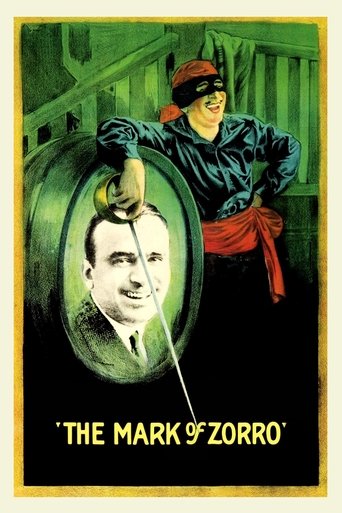
- The Mark of Zorro (1920) - Fairbanks' subsequent swashbuckler that built on this film's action formula
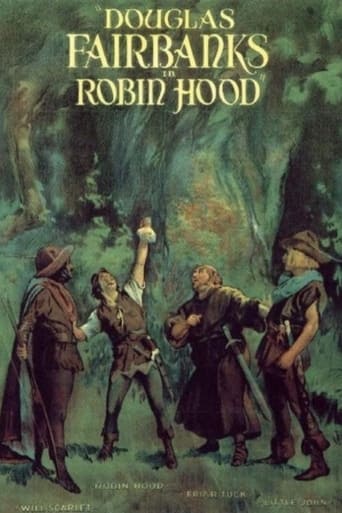
- Robin Hood (1922) - Extended the transformation theme and action sequences
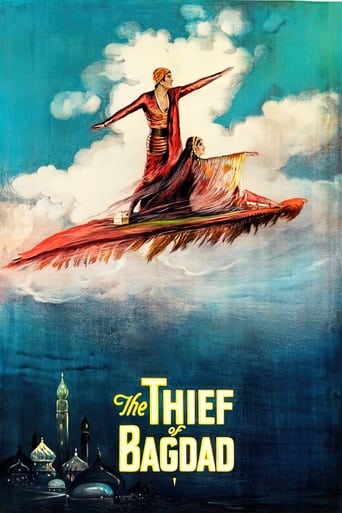
- The Thief of Bagdad (1924) - Further developed Fairbanks' action hero persona
This film influenced
- Don Q, Son of Zorro (1925) - Continued the theme of American heroes in exotic locations
- The Black Pirate (1926) - Expanded on the action-adventure formula established here
- Modern action films featuring character transformation arcs
- Western films emphasizing American values and individualism
Film restoration
The Mollycoddle survives in complete form with prints held at several major film archives, including the Library of Congress, the Museum of Modern Art, and the UCLA Film & Television Archive. The film underwent restoration in the 1990s as part of a broader effort to preserve Douglas Fairbanks' filmography. While some minor deterioration is evident in existing prints, particularly in the Arizona location footage, the film remains largely intact and viewable. A restored version with new musical accompaniment was released on DVD as part of the Douglas Fairbanks collection. The film's survival is notable given that approximately 75% of American silent films have been lost, making its preservation particularly valuable for cinema history.
Where to watch
- The film is available on DVD through Kino Lorber's Douglas Fairbanks collection
- Streaming on The Criterion Channel (periodically featured in silent film programming)
- Available for digital purchase or rental on Amazon Prime Video
- Can be viewed at film archives and museums during special screenings
- Occasionally broadcast on Turner Classic Movies during silent film festivals
- Accessible through some university film studies programs and library collections