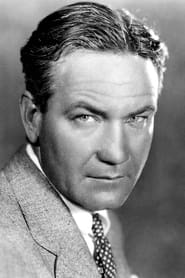
Victor Fleming
Actor & Director
Born: February 23, 1889 in Pasadena, California, USA Died: January 6, 1949 Active: 1915-1949 Birth Name: Victor Lonzo Fleming
Films
7 films

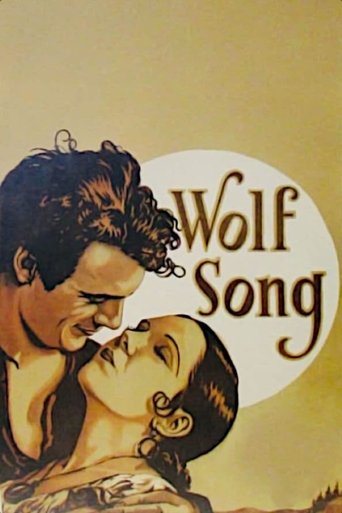
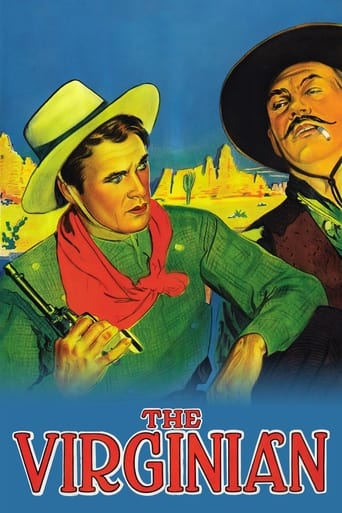
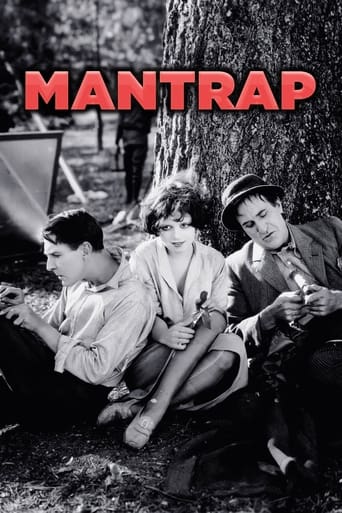
About Victor Fleming
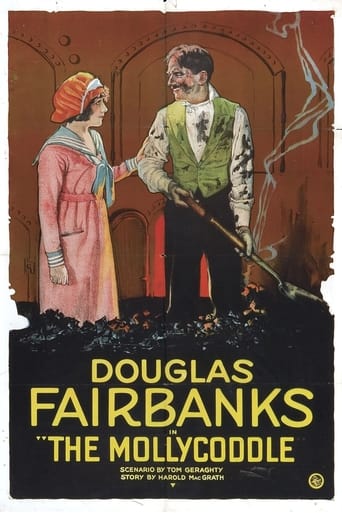
American film director: the transition from silent cinema to the Golden Age of Hollywood. Beginning as a stuntman and cinematographer, he worked with D.W. Griffith before becoming a director in his own right during the 1910s. Fleming established himself as a versatile director capable of handling multiple genres, from comedies and romances to adventure films and dramas. His early career included directing silent films like 'When the Clouds Roll By' (1919) starring Douglas Fairbanks, where he also appeared as an actor. Fleming's reputation grew throughout the 1920s and 1930s, leading to his most celebrated period in the late 1930s when he directed two of cinema's most beloved classics. His 1939 was, helming both 'The Wizard of Oz' and taking over 'Gone with the Wind' after George Cukor's departure. Fleming's career continued successfully through the 1940s with films like 'Dr. Jekyll and Mr. Hyde' and 'Adventure' before his untimely death in 1949.
The Craft
On Screen
Fleming's acting appearances were minimal and primarily in his early career. He typically took small cameo roles or background parts in his own films, with his focus remaining firmly behind the camera. His most notable acting credit was in 'When the Clouds Roll By' (1919), but he never pursued acting as a primary career path.
Behind the Camera
Victor Fleming was known for his robust, masculine directing style that emphasized action, adventure, and strong character dynamics. He excelled at creating visually spectacular sequences while maintaining emotional depth in performances. Fleming was particularly adept at handling large-scale productions and complex action scenes, bringing a sense of energy and momentum to his films. His approach combined technical proficiency with an understanding of star power, consistently bringing out memorable performances from leading actors like Clark Gable, Judy Garland, and Vivien Leigh.
Milestones
- Directed Douglas Fairbanks in 'When the Clouds Roll By' (1919)
- Transitioned successfully from silent to sound films
- Directed 'The Wizard of Oz' (1939)
- Took over direction of 'Gone with the Wind' (1939)
- Won Academy Award for Best Director for 'Gone with the Wind'
- Directed Clark Gable in multiple films including 'Red Dust' and 'Test Pilot'
- Served as a combat photographer during World War II
Best Known For
Iconic Roles
Must-See Films
Accolades
Won
- Academy Award for Best Director for 'Gone with the Wind' (1939)
- New York Film Critics Circle Award for Best Director for 'Gone with the Wind' (1939)
- Directors Guild of America Award for Outstanding Directorial Achievement in Motion Pictures for 'Gone with the Wind' (1939)
Nominated
- Academy Award nomination for Best Director for 'Captains Courageous' (1937)
- Venice Film Festival Golden Mussolini Cup nomination for 'The Wizard of Oz' (1939)
- Academy Award nomination for Best Picture as producer for 'Gone with the Wind' (1939)
Special Recognition
- Hollywood Walk of Fame star at 6901 Hollywood Boulevard
- American Film Institute's 'Greatest American Directors' ranking
- Multiple films preserved in the National Film Registry
- Inducted into the Directors Guild of America Hall of Fame
Working Relationships
Worked Often With
Studios
Why They Matter
Impact on Culture
Victor Fleming's impact on cinema is monumental, having directed two of the most influential and beloved films in history. 'The Wizard of Oz' revolutionized the use of Technicolor and fantasy storytelling, while 'Gone with the Wind' set new standards for epic filmmaking and box office success. His ability to balance spectacle with emotional resonance influenced generations of filmmakers. Fleming's work helped establish the Hollywood studio system's golden age, demonstrating how commercial cinema could achieve artistic excellence. His films continue to be referenced, parodied, and celebrated in popular culture decades after their release.
Lasting Legacy
Victor Fleming's legacy endures through his timeless classics that remain cultural touchstones. His 1939 double achievement of directing both 'The Wizard of Oz' and 'Gone with the Wind' remains unparalleled in cinema history. Fleming's directorial style influenced the development of the Hollywood blockbuster and demonstrated how popular entertainment could achieve lasting artistic significance. His films have been preserved in the National Film Registry and continue to be studied in film schools worldwide. The emotional depth and technical innovation in his work set standards that filmmakers still aspire to today.
Who They Inspired
Fleming influenced countless directors through his mastery of combining commercial appeal with artistic merit. His techniques for handling large-scale productions and working with star performers became industry standards. Directors like Steven Spielberg, George Lucas, and Peter Jackson have cited Fleming's epic storytelling as an influence. His approach to visual storytelling, particularly in fantasy and historical epics, paved the way for modern blockbuster cinema. Fleming's ability to work across genres demonstrated the versatility that would become essential for successful Hollywood directors.
Off Screen
Victor Fleming had a colorful personal life marked by multiple marriages and relationships with Hollywood stars. He was known as a charismatic and sometimes volatile figure in Hollywood, with a reputation for being a ladies' man. Fleming served as a commander in the U.S. Naval Reserve during World War II, filming combat footage for the Navy. His health declined in the late 1940s, and he died of a heart attack while filming 'Joan of Arc' in 1949.
Education
Attended public schools in Pasadena, California; largely self-taught in filmmaking through hands-on experience starting as a stuntman and camera operator
Family
- Clara West Strouse (1910-1916)
- Wendy Oakie (1917-1920)
- Lucrecia del Llano (1921-1929)
- Eleanor 'Elly' Whelan (1933-1940)
- Mary Louise 'Lolly' Babb (1940-1949)
Did You Know?
- Fleming — accomplished aviator and owned several airplanes
- He was a close friend of Howard Hughes and occasionally flew for him
- During WWII, he was wounded while filming combat footage in the Pacific
- He was one of the few directors to successfully transition from silent films to talkies
- Fleming replaced George Cukor as director of 'Gone with the Wind' after filming began
- He directed both films that won Judy Garland and Vivien Leigh their only Academy Awards
- Fleming was known for his practical approach to filmmaking and dislike of excessive rehearsal
- He was an excellent horseman and often performed his own stunts in early films
- Fleming's 'The Wizard of Oz' was not initially a box office success but became a classic through television broadcasts
- He was one of the highest-paid directors in Hollywood during the 1930s and 1940s
In Their Own Words
I don't make art. I make money. And I'm damn good at it.
The secret to directing is knowing when to say 'Action!' and when to say 'Cut!'
A picture should be like a good meal - leave them hungry for more.
I'd rather have a good actor in a bad picture than a bad actor in a good picture.
Technicolor is like a beautiful woman - you have to know how to treat her right.
Frequently Asked Questions
Who was Victor Fleming?
Highly influential American on YTB.my. He is best known for directing two of cinema's most beloved classics, 'The Wizard of Oz' (1939) and 'Gone with the Wind' (1939), for which he won the Academy Award for Best Director.
What films is Victor Fleming best known for?
Titles linked here include Gone with the Wind (1939), The Wizard of Oz (1939).
When was Victor Fleming born and when did he die?
Born February 23, 1889; died January 6, 1949.
What awards did Victor Fleming win?
Fleming won the Academy Award for Best Director for 'Gone with the Wind' (1939), along with the Directors Guild of America Award and New York Film Critics Circle Award for the same film. He also received an Academy Award nomination for Best Director for 'Captains Courageous' (1937).
What was Victor Fleming's directing style?
Fleming was known for his robust, masculine directing style that emphasized action, adventure, and strong character dynamics. He excelled at handling large-scale productions, creating visually spectacular sequences while maintaining emotional depth. His approach combined technical proficiency with an understanding of star power, consistently bringing out memorable performances from leading actors.
Did Victor Fleming act in films?
While Fleming was primarily known as a director, he did appear in a few early films, most notably in 'When the Clouds Roll By' (1919), which he also directed. However, his acting appearances were minimal and he never pursued acting as a primary career path, focusing instead on his successful directing career.
How did Victor Fleming influence cinema?
Fleming influenced cinema through his mastery of combining commercial appeal with artistic merit, particularly in epic and fantasy films. His techniques for handling large-scale productions and working with star performers became industry standards. His 1939 films set new benchmarks for visual storytelling and demonstrated how popular entertainment could achieve lasting artistic significance.