
Hula
"The daughter of a pineapple plantation owner in Hawaii sets her."
Keys: Space play/pause · ←/→ 10s · F fullscreen · M mute · </> speed
About this film
The daughter of a pineapple plantation owner in Hawaii sets her sights on a married English engineer.
Cast & crew
More films like this
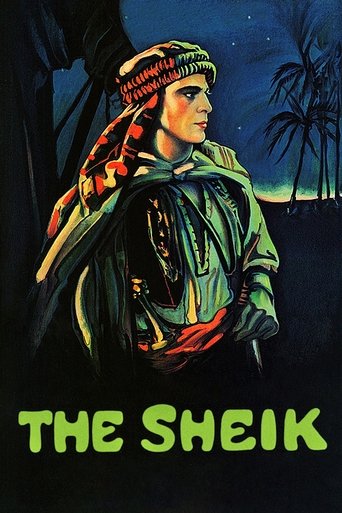

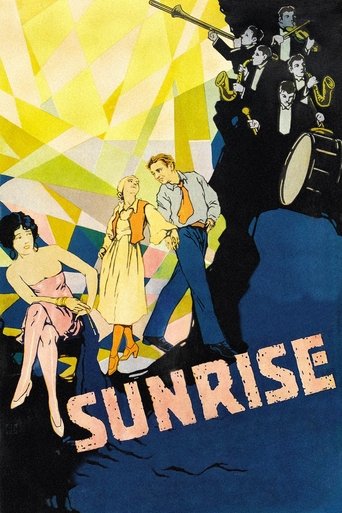
More Romance films
View all →

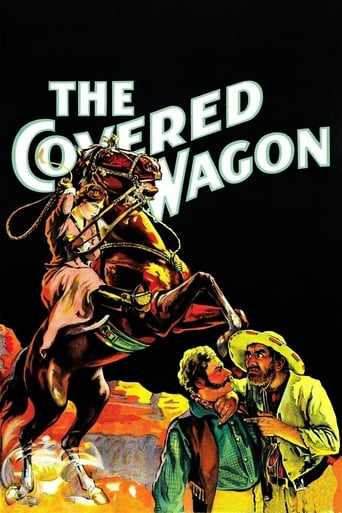

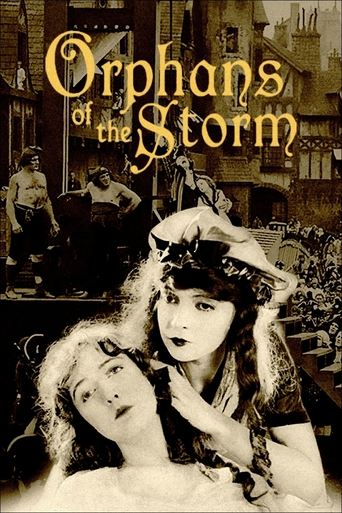


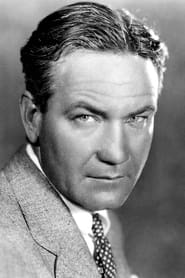
More from Victor Fleming
View all →

More about this film
About the production
Release dateMay 21, 1927
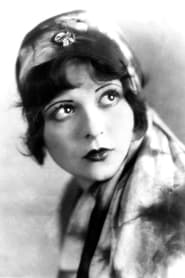
Box officeSuccessful, contributed to Clara Bow's rising star status
ProductionParamount Pictures
Filmed inSanta Catalina Island, California, Paramount Studios, Hollywood
The film was shot primarily on Santa Catalina Island to stand in for Hawaii, as location shooting in Hawaii was prohibitively expensive in 1927. Clara Bow performed her own hula dances after extensive training, though some scenes used body doubles for more complex choreography. The production faced challenges with the tropical setting, including dealing with marine life during water scenes and maintaining period-appropriate costumes in the heat.
Themes
Sexual liberation and female agencyCultural collision between East and WestThe power of natural vs. civilized behaviorMarriage vs. desireExoticism and colonial attitudes
Themes & topics
Hawaiipineapple plantationengineerseductionhula dancingadulterytropical romancesilent filmClara Bow1920s
Historical background
The 1927 release of Hula belongs to its era's exhibition habits rather than today's franchise model.
Why this film matters
Historians treat Hula as evidence of what typical 1927 audiences could see in a program slot.
Making of
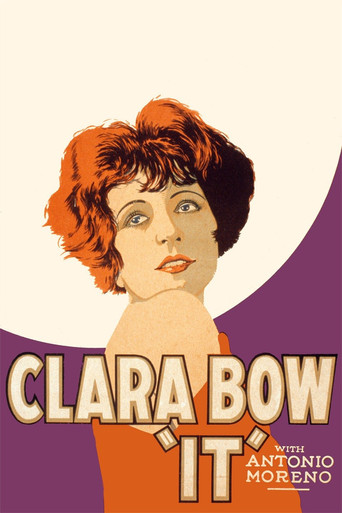
The production of 'Hula' was part of Paramount's strategy to capitalize on Clara Bow's exploding popularity following her success in 'It'. Director Victor Fleming, known for his ability to handle action and romance, was chosen to guide Bow through what was essentially a star vehicle designed to showcase her magnetic screen presence and sex appeal. The studio invested significantly in creating an authentic Hawaiian atmosphere without the expense of actual location shooting, constructing elaborate sets and importing tropical plants to Santa Catalina Island. Bow, who had a reputation for being difficult on set, was reportedly enthusiastic about the role and worked closely with choreographers to learn the hula dances that would become central to the film's most memorable scenes. The production team faced unique challenges in filming the water sequences, requiring early underwater photography techniques and careful coordination with safety divers.
What critics said
Press files from 1927 mention Hula in roundup columns of what played that week.
Did you know?
- This was one of Clara Bow's first major roles after her breakthrough in 'It' (1927), cementing her status as Hollywood's 'It Girl'
- The film's title refers both to the Hawaiian dance and to the main character's name, Hula Calhoun
- Victor Fleming, who later directed 'The Wizard of Oz' and 'Gone with the Wind', was relatively early in his directorial career when he made this film
- The pineapple plantation featured in the film was a set construction, as actual Hawaiian locations were not used for principal photography
- Clara Bow's hula costumes were considered quite daring for 1927, showing more of her body than was typical in mainstream films of the era
- The film was one of the first to portray Hawaii as an exotic romantic destination in American cinema
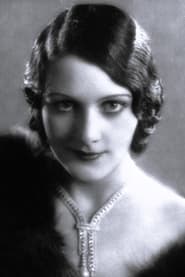
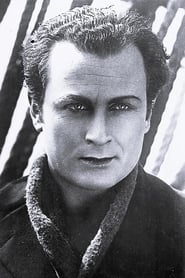
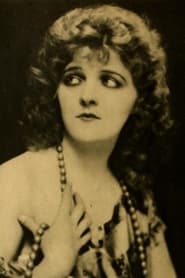
- Arlette Marchal, who played the wronged wife, was a French actress who had a brief Hollywood career during the silent era
- The movie's success led to a wave of tropical-themed romances in late 1920s Hollywood
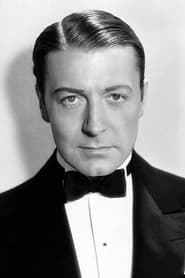
- Clive Brook's character represented the stiff-upper-lip English gentleman, a popular archetype in American films of the period
- The film's underwater sequences were considered technically advanced for their time
Visual style
The cinematography, handled by James Wong Howe and Charles Lang, utilized the natural beauty of the coastal California locations to create an exotic atmosphere. The film featured innovative underwater photography for its time, particularly in the scenes where Hula swims to attract Haldane's attention. The camera work emphasized Bow's expressive face and dynamic movement, especially during the dance sequences. The tropical lighting and careful composition of scenes helped create the illusion of a Hawaiian paradise despite being filmed in California. The visual style combined the glamour of Hollywood studio production with location-style authenticity.
Innovations
The film featured pioneering underwater photography techniques for its time, using specialized camera housing to capture scenes beneath the water's surface. The production also employed innovative methods for creating tropical environments on location, including the transportation and maintenance of exotic plants. The hula dance sequences required careful choreography and camera coordination to capture the movements effectively within the constraints of 1920s filming equipment. The film's special effects, particularly in the swimming accident sequence, were considered sophisticated for the period.
Music
As a silent film, 'Hula' was originally presented with musical accompaniment provided by theater orchestras or organists. The score would have typically included popular songs of the era, Hawaiian-themed music, and classical pieces appropriate to the romantic and dramatic moments. While no original score survives, contemporary orchestras have reconstructed appropriate musical accompaniments for modern screenings. The film's transition to sound was never completed, as it was released during the brief period when silent films were still being produced alongside early talkies.
Famous quotes
I'm Hula Calhoun, and I get what I want!
You can't resist the islands, and you can't resist me!
In Hawaii, we don't wait for what we want - we dance for it!
Memorable scenes
- Clara Bow's seductive hula dance on the beach at sunset, performed to captivate Clive Brook's character
- The dramatic swimming sequence where Hula pretends to be in distress to attract Haldane's attention
- The confrontation scene between Hula and Haldane's wife Margaret, representing the clash between free-spirited passion and conventional marriage
What audiences thought
The film was popular with audiences and performed well at the box office, capitalizing on Clara Bow's immense popularity following her breakthrough in 'It'. Moviegoers were particularly drawn to Bow's energetic performance and the film's exotic Hawaiian setting. The hula dance sequences became talking points among audiences and were frequently mentioned in contemporary accounts of the film's appeal. The movie helped solidify Bow's status as one of the biggest box office draws of the late silent era, though its impact was somewhat overshadowed by the rapid transition to sound films that began later in 1927.
Film connections
Influenced by
- The tropical romance genre established by earlier films like 'Bird of Paradise' (1932)
- The 'vamp' character archetype from silent cinema
- Contemporary flapper culture and the 'New Woman' movement
This film influenced
- Bird of Paradise (1932)
- Mutiny on the Bounty (1935)
- South Pacific (1958)
- Blue Hawaii (1961)
Film restoration
The film survives in complete form and has been preserved by major film archives. A restored version is available through various film preservation organizations and has been screened at classic film festivals. While not considered lost, some prints show signs of deterioration typical of films from this era. The movie has been released on DVD by specialty labels specializing in silent cinema.
Where to watch
- Available on DVD from Kino Lorber and other classic film distributors
- Streaming on The Criterion Channel (periodically)
- Available for viewing at film archives and preservation centers
- Occasionally screened at classic film festivals and revival theaters
- Some public domain versions may be available on internet archives