Duke Kahanamoku
Actor
Born: August 24, 1890 in Honolulu, Kingdom of Hawaii Died: January 22, 1968 Active: 1927-1929 (film career) Birth Name: Duke Paoa Kahinu Mokoe Hulikohola Kahanamoku
Films
2 films
About Duke Kahanamoku
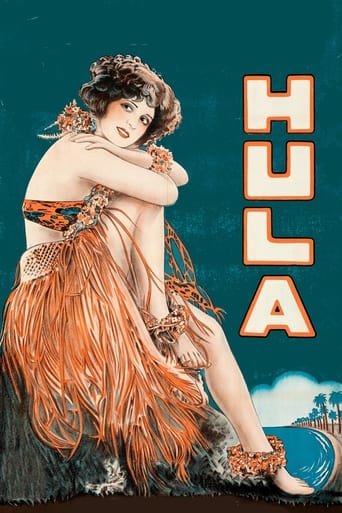
Duke Paoa Kahanamoku — Hawaiian athlete who transitioned briefly into Hollywood acting during the late silent era. Born into Hawaiian royalty in 1890, he first gained international fame as an Olympic swimming champion, winning multiple gold medals across five Olympic Games. His athletic prowess and charismatic presence caught the attention of Hollywood studios, leading to his film debut in 1927's 'Hula' opposite Clara Bow. Duke appears in several films throughout the late 1920s, often typecast in exotic or Polynesian roles that capitalized on his authentic Hawaiian heritage. Despite his brief acting career spanning only 1927-1929, Kahanamoku's film appearances helped introduce authentic Hawaiian culture to mainstream American audiences. After his Hollywood stint, he returned to his primary passions of swimming and surfing, where he made his most enduring cultural impact. His legacy encompasses both his Olympic achievements and his role in popularizing surfing worldwide, making him Hawaiian figures of the 20th century.
The Craft
On Screen
Natural and authentic, drawing from his real-life persona as a Hawaiian waterman. His performances were characterized by a dignified presence and physical grace, though limited by the stereotypical roles available to actors of Pacific Islander descent during the silent era.
Milestones
- Olympic gold medalist in swimming (1912, 1920)
- Pioneered modern surfing
- Film debut in 'Hula' (1927)
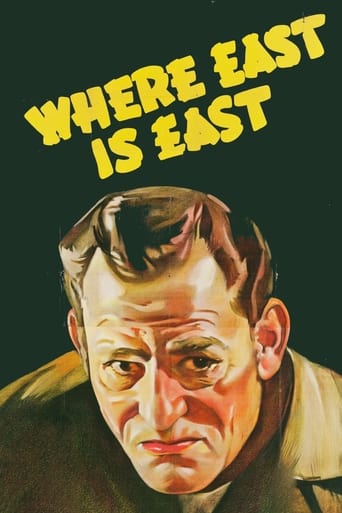
- Starred opposite Lon Chaney in 'Where East Is East' (1929)
- Inducted into both Olympic and Surfing Halls of Fame
Best Known For
Iconic Roles
Must-See Films
Accolades
Won
- Olympic Gold Medal - 100m Freestyle (1912)
- Olympic Gold Medal - 100m Freestyle (1920)
- Olympic Gold Medal - 4x200m Freestyle Relay (1920)
- Olympic Silver Medal - 100m Freestyle (1924)
- Olympic Bronze Medal - 100m Freestyle (1912)
- Olympic Silver Medal - 4x200m Freestyle Relay (1924)
Nominated
- International Swimming Hall of Fame (1965)
- Surfing Walk of Fame (1994, posthumous)
Special Recognition
- Hawaii Sports Hall of Fame
- U.S. Olympic Hall of Fame
- International Surfing Hall of Fame
- Statue at Waikiki Beach
- Duke Kahanamoku Beach named in his honor
Working Relationships
Worked Often With
Studios
Why They Matter
Impact on Culture
Duke Kahanamoku's brief Hollywood career helped introduce authentic Hawaiian representation to American cinema during a period of widespread stereotyping. While his film roles were limited by the conventions of the era, his presence as a genuine Hawaiian athlete and cultural ambassador brought unprecedented visibility to Pacific Islander culture in mainstream media. His transition from Olympic champion to film star represented one of the earliest examples of an athlete successfully crossing over into entertainment, paving the way for future sports figures in film.
Lasting Legacy
Though primarily remembered for his athletic achievements, Kahanamoku's film appearances represent an important chapter in the history of Pacific Islander representation in Hollywood. His dignified portrayal of Hawaiian characters challenged the caricatures prevalent in silent cinema. Beyond his acting legacy, he is universally recognized as the father of modern surfing, having introduced the sport to Australia, California, and the world. His life bridged traditional Hawaiian culture and global modernity, making him.
Who They Inspired
Kahanamoku influenced future generations of Pacific Islander actors by demonstrating that authentic representation was possible in Hollywood. His success as both an athlete and entertainer created a template for multi-hyphenate celebrities. In the surfing world, his demonstrations and teachings directly inspired the global surfing revolution of the 1950s and 1960s, which in turn created the beach culture that would dominate Hollywood films of that era.
Off Screen
Duke Kahanamoku married Nadine Alexander in 1940, and their marriage lasted until his death in 1968. Despite his international fame, he remained deeply connected to his Hawaiian roots and culture throughout his life. He served as the Sheriff of Honolulu for 13 years (1932-1945), demonstrating his commitment to public service in his home community. He was known for his humble demeanor and dedication to promoting Hawaiian culture and water sports globally.
Education
Attended McKinley High School in Honolulu, Hawaii
Family
- Nadine Alexander (1940-1968)
Did You Know?
- He was named 'Duke' after his father, who was named 'Duke' in honor of Prince Alfred, Duke of Edinburgh's visit to Hawaii
- He could hold his breath for over 4 minutes underwater
- He once used his surfing skills to rescue eight fishermen from a capsized boat, an act that earned him a medal
- He was the first person to be inducted into both the Swimming Hall of Fame and Surfing Hall of Fame
- His swimming technique, the 'Kahanamoku Kick', revolutionized freestyle swimming
- He was instrumental in popularizing the term 'Aloha' globally
- His full birth name contains 38 letters
- He served as a 'Goodwill Ambassador' for Hawaii throughout his life
- He appeared in over 20 films, though many were uncredited roles
- He was a direct descendant of Hawaiian royalty
In Their Own Words
The best surfer out there is the one having the most fun.
Aloha is the key to everything. It's the spirit of Hawaii.
When you're out in the water, you're one with nature. That's the beauty of surfing.
Every wave is different, and that's what makes it so special.
Hawaii is not just a place, it's a state of mind.
Frequently Asked Questions
Who was Duke Kahanamoku?
Legendary Hawaiian athlete, Olympic swimming champion, and with credits in this catalog. He appeared in several Hollywood films during the late 1920s while also revolutionizing water sports worldwide.
What films is Duke Kahanamoku best known for?
Titles linked here include Hula (1927), Where East Is East (1929).
When was Duke Kahanamoku born and when did he die?
Born August 24, 1890; died January 22, 1968.
What awards did Duke Kahanamoku win?
He won multiple Olympic medals including five gold medals in swimming across three Olympic Games (1912, 1920, 1924). He was also inducted into numerous halls of fame including the International Swimming Hall of Fame and International Surfing Hall of Fame.
What was Duke Kahanamoku's acting style?
His acting style was natural and authentic, drawing from his real-life persona as a Hawaiian waterman. He brought physical grace and dignity to his roles, though he was often typecast in stereotypical Polynesian characters typical of the era.
How did Duke Kahanamoku influence surfing?
He introduced modern surfing to Australia and California, demonstrating the sport during international exhibitions. His teachings and demonstrations directly inspired the global surfing revolution, earning him the title 'Father of Modern Surfing'.