

Where East Is East
"Mother tiger — daughter's beau"
Keys: Space play/pause · ←/→ 10s · F fullscreen · M mute · </> speed
About this film
Tiger Woman mother returns to Southeast Asia to seduce daughter's American fiancé in tropical melodrama. Where East Is East (1929) extends Tod Browning-Lon Chaney exotic cycle with Lupe Velez.
Cast & crew
More films like this

More Drama films
View all →







More from Tod Browning
View all →



More about this film
About the production
Release dateApril 20, 1929
ProductionMetro-Goldwyn-Mayer (MGM)
Filmed inMGM Studios, Culver City, California
This was the final collaboration between Tod Browning and Lon Chaney, marking the end of one of silent cinema's most fruitful director-actor partnerships. The film was produced during the transition to sound and includes a synchronized musical score and sound effects, though it remains essentially a silent film. Chaney, known for his elaborate makeup and transformative performances, underwent extensive makeup application to appear convincingly as a weathered jungle trapper. The exotic jungle sets were constructed on MGM's backlot, typical of the studio's approach to location filming during this era.
Themes
Cultural conflictFamily dynamicsRevengeRacial identityParental protection
Themes & topics
jungleanimal trapperestranged wifemother-daughter conflictlove trianglerevengeSoutheast Asiacircuscultural clashmixed heritage
Historical background
Where East Is East belongs to late-1920s Orientalist adventure melodramas at MGM.
Why this film matters
Velez's fiery persona and Browning's morbid romance tropes influenced later pre-Code exotic fare.
Making of
The production of 'Where East Is East' was marked by significant challenges, primarily due to Lon Chaney's declining health. Despite being in constant pain from throat cancer, Chaney insisted on performing his own stunts and working with live animals, including several tigers used in the jungle trapping sequences. Director Tod Browning, known for his dark and atmospheric style, created elaborate jungle sets that were so convincing they were reused in several subsequent MGM productions. The tension between Lupe Vélez and Estelle Taylor was palpable on set, with Vélez later claiming Taylor deliberately tried to upstage her during their confrontational scenes. The film was shot quickly to accommodate Chaney's health needs, with production completed in just over three weeks. The synchronized score was composed by William Axt and included exotic instrumentation to evoke the Asian setting, though no actual Asian musical elements were authentically incorporated.
What critics said
Reviews sold sex and spectacle; modern analysis confronts racialized casting.
Did you know?
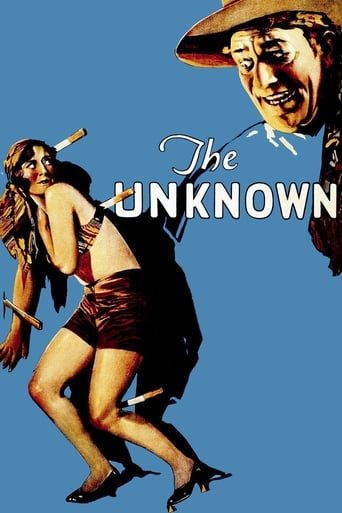
- This was Lon Chaney's penultimate film and his last with director Tod Browning, with whom he made ten films together including 'The Unknown' (1927) and 'London After Midnight' (1927).
- Chaney was gravely ill with throat cancer during filming, which would claim his life in August 1930, making this one of his final performances.
- The film was released in both silent and sound versions, with the sound version featuring a synchronized musical score and sound effects but no dialogue.
- Lupe Vélez and Estelle Taylor reportedly had intense off-screen animosity that translated well to their on-screen rivalry as mother and daughter.
- The jungle scenes were filmed using exotic plants and animals brought to the MGM studio lot, including real tigers that Chaney had to work with.
- the production was part of MGM's strategy to compete with exotic adventure films popular at the time, particularly those starring Douglas Fairbanks.
- The original title was 'East of Suez' but was changed to 'Where East Is East' to avoid confusion with other similarly titled works.
- Chaney's makeup took several hours to apply each day and included prosthetics to age him appropriately for the role of Tiger Haynes.
- The film's themes of racial mixing and cultural conflict were considered controversial for 1929, though handled with typical Hollywood discretion.
- Despite being Chaney's last MGM film, he did not receive top billing - that honor went to Lupe Vélez, who was being groomed as a major star.
Visual style
The cinematography, handled by Merritt B. Gerstad, employed dramatic lighting techniques characteristic of late silent cinema to enhance the exotic atmosphere. The jungle sequences utilized filtered lighting and carefully constructed shadows to create a sense of mystery and danger. The camera work included several tracking shots through the elaborate jungle sets, creating a sense of movement through the dense vegetation. Close-ups were used effectively to capture the emotional intensity of the confrontations between characters, particularly in scenes featuring Chaney's expressive performance. The film's visual style reflects Browning's preference for dramatic, almost expressionistic lighting that would later become a hallmark of his horror films.
Innovations
As a late silent film with synchronized sound, 'Where East Is East' demonstrated MGM's capabilities in hybrid productions during the industry's transition to sound. The film's elaborate jungle sets represented significant achievements in studio-based location simulation, using forced perspective and matte paintings to create convincing exotic environments. The animal handling and training required for the tiger sequences showcased advanced techniques in working with dangerous animals on set. The makeup effects applied to Lon Chaney represented some of the most sophisticated prosthetic work of the era, though they were overshadowed by his physical transformation in previous films. The synchronization of music and sound effects with the visual narrative demonstrated the technical sophistication possible in late silent cinema.
Music
The film featured a synchronized musical score composed by William Axt, with sound effects added for the talking version. The score incorporated exotic instrumentation including gongs and drums to evoke the Asian setting, though it remained firmly rooted in Western musical traditions. The sound effects included jungle noises, animal sounds, and atmospheric elements that enhanced the exotic setting. No dialogue was included in the soundtrack, maintaining the film's silent film aesthetic while taking advantage of new sound technology. The musical cues were carefully synchronized with the on-screen action, a practice that was becoming increasingly sophisticated during this transitional period in cinema history.
Famous quotes
The jungle has its own laws - and its own justice!" - Tiger Haynes
You came back from the dead to poison my daughter's happiness!" - Tiger Haynes to Madame de Sylva
In this jungle, we are all animals fighting for survival." - Madame de Sylva
Memorable scenes
- The dramatic confrontation between Tiger Haynes and his estranged wife Madame de Sylva upon her return
- The tense jungle sequence where Haynes demonstrates his animal trapping skills
- The climactic battle between mother and daughter in the exotic garden setting
- The scene where Madame de Sylva attempts to seduce Bobby while performing with her circus troupe
What audiences thought
Audiences in 1929 responded positively to the film's exotic setting and dramatic confrontations, particularly the scenes between Lupe Vélez and Estelle Taylor. The film performed moderately well at the box office, though it was overshadowed by the wave of talking films that were dominating theaters by its release date. Modern audiences encountering the film through revival screenings and home media have shown renewed interest due to its historical significance as Chaney's final film with Browning. The film's dramatic elements and Chaney's performance continue to resonate with silent film enthusiasts, though some contemporary viewers find the racial stereotypes and cultural representations problematic by modern standards.
Film connections
Influenced by
- The tradition of exotic adventure films popular in the 1920s
- Victorian melodrama conventions
- Orientalist literature and art
- Previous Chaney-Browning collaborations
This film influenced
- Subsequent jungle adventure films of the 1930s
- Later films exploring mixed-race identity in Hollywood
- The exotic horror films that Browning would direct after Chaney's death
Film restoration
The film survives in complete form in both its silent and sound versions. A 35mm print is held in the MGM archives and has been preserved by the Academy Film Archive. The film has been made available through various home media releases, including DVD collections of Lon Chaney's work. While not considered lost, some sources report that the sound version is rarer than the silent version, though both have been preserved for posterity.
Where to watch
- Available on DVD in The Lon Chaney Collection from Warner Archive
- Streaming on classic film subscription services
- Occasionally screened at film festivals and revival theaters specializing in silent cinema
- Available through some library collections and film archives