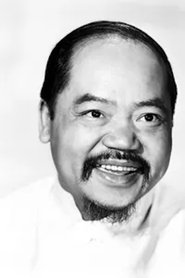
Willie Fung
Actor
Born: 1896 in Guangzhou, China Died: May 16, 1945 Active: 1925-1945 Birth Name: Fung Wah
Films
2 films

About Willie Fung
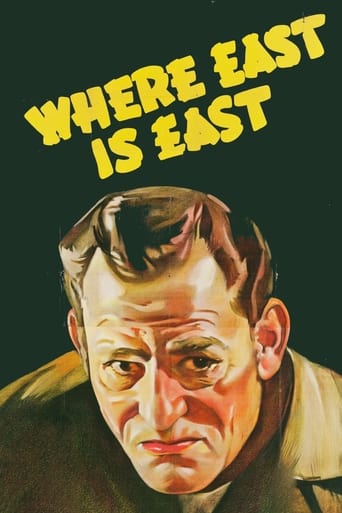
Chinese-American actor who worked in Hollywood during the silent film era and early sound period. Born in China, he immigrated to the United States and began his film career in the mid-1920s, appearing in numerous productions that often cast him in stereotypical Asian roles typical of the era. His filmography included appearances in notable films such as 'The Way of the Strong' (1928) starring Lon Chaney and 'Where East Is East' (1929), also featuring Chaney. Fung was part of a small but significant group of Asian actors in early Hollywood who, despite limited opportunities, helped pave the way for future generations of Asian performers. His the crucial transitional period from silent films to talkies, though like many character actors of his era, his opportunities diminished as the industry evolved. Fung's performances, while often constrained by the racial stereotypes of the time, demonstrated a remarkable presence and contributed to the visual tapestry of early American cinema. He continued working in films throughout the 1930s, appearing in both major productions and smaller B-movies until his death.
The Craft
On Screen
Willie Fung's acting style was typical of character actors of the silent era, relying heavily on facial expressions and physical gestures to convey emotion and character. Due to the limited roles available to Asian actors during his time, he often portrayed stereotypical characters such as servants, merchants, or villains. Despite these constraints, Fung brought a certain dignity and authenticity to his roles that elevated them beyond mere caricature. His performances were marked by a subtle intensity and a remarkable screen presence that made him memorable even in small parts.
Milestones
- Appeared in two films with Lon Chaney Sr.
- Transitioned successfully from silent films to talkies
- One of the few working Chinese actors in Hollywood during the 1920s-1930s
- Appeared in over 80 films during his career
Best Known For
Iconic Roles
Must-See Films
Working Relationships
Worked Often With
Studios
Why They Matter
Impact on Culture
Willie Fung's career represents an important chapter in the history of Asian representation in American cinema. As one of the few Chinese actors working in Hollywood during the 1920s and 1930s, he helped establish a presence for Asian performers in an industry that was overwhelmingly white. While often confined to stereotypical roles, Fung's consistent work provided visibility for Asian faces on screen during a period of extreme racial discrimination in Hollywood. His appearances alongside major stars like Lon Chaney Sr. Helped normalize the presence of Asian actors in mainstream American films, albeit within the limiting framework of the era's prejudices. Fung's active years covered the crucial transition from silent films to talkies, demonstrating his adaptability and perseverance in an industry that was constantly evolving.
Lasting Legacy
Willie Fung's legacy lies in his role as a trailblazer for Asian actors in Hollywood. Despite the limitations imposed by the racial attitudes of his time, he built a substantial career spanning two decades and appearing in dozens of films. His work helped pave the way for future generations of Asian-American actors who would eventually break free from the stereotypical roles that constrained performers like Fung. Film historians recognize him as an important figure in the history of Asian representation in cinema, and his filmography serves as a valuable document of how Asian characters were portrayed in early Hollywood. While he may not have achieved the fame of leading actors, his contribution to the diversity of early American cinema is significant and worthy of recognition.
Who They Inspired
Willie Fung influenced subsequent generations of Asian actors by demonstrating that it was possible to maintain a career in Hollywood despite the severe limitations and prejudices of the era. His professionalism and dedication to his craft set an example for character actors of all backgrounds. While direct protégés are not documented, his body of work provided inspiration for Asian-American actors who would follow in his footsteps. The perseverance he showed in working continuously for two decades in a discriminatory environment shows the resilience required of minority performers in early Hollywood.
Off Screen
Willie Fung immigrated to the United States from China in the early 1920s, settling in Los Angeles to pursue opportunities in the burgeoning film industry. He became part of the small Chinese-American community in Hollywood during a time when Asian actors faced significant discrimination and typecasting. Despite the challenges, Fung maintained a steady career and was respected among his peers for his professionalism and dedication. He never married and had no children, dedicating his life entirely to his craft. Fung passed away in Los Angeles in 1945 at the age of 49, leaving behind a legacy as one of Hollywood's Asian character actors.
Education
No formal education records available, likely educated in China before immigrating to the United States
Did You Know?
- Appeared in over 80 films during his 20-year career
- Worked with horror icon Lon Chaney Sr. In two films
- Was one of the few Chinese actors to have a steady career in 1920s Hollywood
- Often credited simply as 'Willie Fung' or 'Willy Fung' in film credits
- His real name was Fung Wah, which he occasionally used in credits
- Appeared in both silent films and talkies, successfully making the transition
- Often played servants, merchants, or villainous roles due to racial typecasting
- Was part of Hollywood's small Chinese-American film community in the 1920s-30s
- His final film appearance was in 'The Shanghai Gesture' (1941)
- Died in Los Angeles at age 49, just as World War II was ending
In Their Own Words
No documented famous quotes are available from Willie Fung, as was common for character actors of his era who rarely gave interviews or had their words recorded for posterity
Frequently Asked Questions
Who was Willie Fung?
Chinese-American with credits in this catalog. He was one of the few Asian actors working in Hollywood during his time, often playing stereotypical roles alongside major stars like Lon Chaney Sr.
What films is Willie Fung best known for?
Titles linked here include The Way of the Strong (1928), Where East Is East (1929).
When was Willie Fung born and when did he die?
Born 1896; died May 16, 1945.
What awards did Willie Fung win?
Willie Fung did not receive any major awards or nominations during his career, which was common for character actors of his era, particularly minority actors who were often overlooked by the industry's recognition systems.
What was Willie Fung's acting style?
Willie Fung's acting style was typical of silent era character actors, relying on expressive facial gestures and physical presence. Despite being confined to stereotypical roles, he brought dignity and authenticity to his performances, creating memorable characters even in small parts.