Films
2 films
About Mademoiselle Kithnou
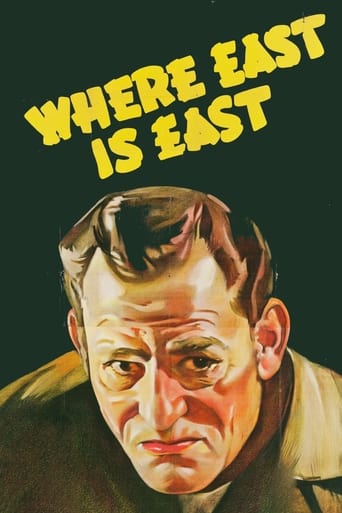
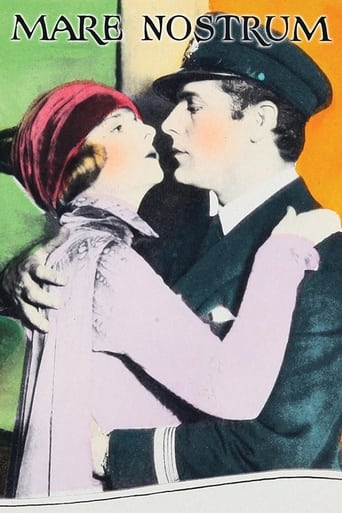
Mademoiselle Kithnou worked on silent films during the late 1920s, primarily in supporting roles that capitalized on her distinctive appearance and foreign persona. She made her film debut in Rex Ingram's epic maritime drama 'Mare Nostrum' in 1926, where her exotic looks helped establish her as a character actress specializing in ethnic roles. Her most notable appearance came in 1929 when she was cast in Tod Browning's 'Where East Is East' alongside the Lon Chaney, playing a role that required the kind of exotic presence that had become her trademark. Like many character actors of the silent era who specialized in ethnic roles, her career was brief and largely coincided with the transition period from silent films to sound. Little is known about her life before or after her brief film career, as she appears to have been one of the many performers who briefly graced the silver screen during Hollywood's fascination with exoticism in the late 1920s before disappearing from the public eye as the industry evolved and casting practices changed.
The Craft
On Screen
Known for her exotic screen presence and ability to portray ethnic characters, Mademoiselle Kithnou's acting style was typical of character actors in the silent era who relied heavily on visual impact and distinctive appearance rather than nuanced performance. Her roles capitalized on Hollywood's fascination with the exotic and mysterious during the late 1920s.
Milestones
- Film debut in 'Mare Nostrum' (1926)
- Appearance in Tod Browning's 'Where East Is East' (1929)
- Specialized in exotic character roles during late silent era
Best Known For
Iconic Roles
Must-See Films
Working Relationships
Worked Often With
Why They Matter
Impact on Culture
Mademoiselle Kithnou represents a fascinating aspect of silent era cinema - the practice of casting actors based on their exotic appearance to fulfill Hollywood's appetite for foreign and mysterious characters during the late 1920s. Her brief career coincided with a period when American films frequently featured stories set in exotic locations and relied on character actors who could visually embody the 'otherness' that audiences found intriguing. While her impact was limited to a few films, she exemplifies the type of performer who helped create the international flavor of late silent cinema.
Lasting Legacy
Mademoiselle Kithnou's legacy is primarily that of an obscure but intriguing footnote in silent film history, representing the many character actors who briefly appeared in Hollywood films during the industry's fascination with exoticism in the late 1920s. Her work in films with notable directors like Rex Ingram and Tod Browning ensures her place in film archives, though she remains largely unknown to modern audiences. She serves as an example of how many performers from the silent era have been lost to history despite their contributions to major productions.
Who They Inspired
Due to the brevity of her career and the specialized nature of her roles, Mademoiselle Kithnou's influence on other actors or filmmakers appears to have been minimal. However, her work in the late silent era contributes to our understanding of how Hollywood represented foreign cultures and characters during this period, and how casting practices evolved with the coming of sound.
Off Screen
Very little is known about Mademoiselle Kithnou's personal life, as she appears to have been a transient figure in Hollywood history who left behind few records or biographical details. Like many character actors of the silent era who specialized in ethnic roles, her background remains largely undocumented.
Did You Know?
- Appeared in two films with major directors of the silent era
- Worked with horror icon Lon Chaney in 'Where East Is East'
- Her stage name 'Mademoiselle' suggests French connections
- Active years covered only three years during the transition from silent to sound films
- Specialized in exotic character roles that were popular in late 1920s cinema
- Like many character actors of her era, her real identity remains unknown
- Her filmography consists entirely of silent films
- Both of her known films were major productions of their time
Frequently Asked Questions
Who was Mademoiselle Kithnou?
Silent film actress active from 1926 to 1929 who specialized in exotic character roles. She appeared in two notable films: 'Mare Nostrum' (1926) directed by Rex Ingram and 'Where East Is East' (1929) directed by Tod Browning.
What films is Mademoiselle Kithnou best known for?
Titles linked here include Mare Nostrum (1926), Where East Is East (1929).
When was Mademoiselle Kithnou born and when did she die?
The birth and death dates of Mademoiselle Kithnou are unknown, as is common with many character actors from the silent era who left behind limited biographical records.
What awards did Mademoiselle Kithnou win?
There are no records of Mademoiselle Kithnou receiving any major awards or nominations for her film work, which was typical for character actors in supporting roles during the silent era.
What was Mademoiselle Kithnou's acting style?
Her acting style was typical of silent era character actors who specialized in exotic roles, relying heavily on visual presence and distinctive appearance rather than dialogue. She was cast primarily for her exotic looks that fit Hollywood's fascination with foreign characters in the late 1920s.