
Mare Nostrum
"Love and espionage on the Mediterranean"
Keys: Space play/pause · ←/→ 10s · F fullscreen · M mute · </> speed
About this film
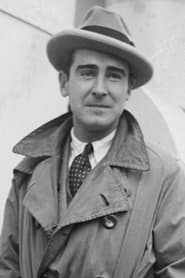
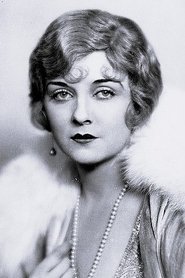
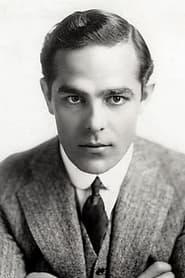
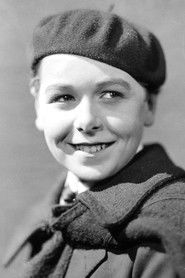
Spanish sea captain Ulysses Ferragut, played by Antonio Moreno, is drawn into the orbit of Freya Talberg, a German spy portrayed by Alice Terry in Rex Ingram's adaptation of Vicente Blasco Ibáñez's novel. Set during World War I on the Mediterranean that Ibáñez called Mare Nostrum, the romance turns deadly when Ferragut discovers Freya's espionage work aboard his submarine. Ingram made the picture in Nice after leaving Hollywood, blending naval spectacle with a sacrifice ending in which Freya chooses loyalty to her country over escape.
Cast & crew
More films like this
More War films
View all →


More from Rex Ingram
View all →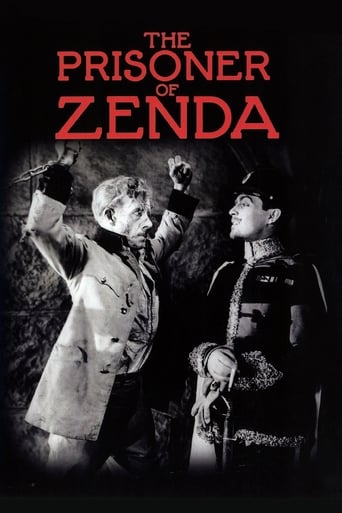
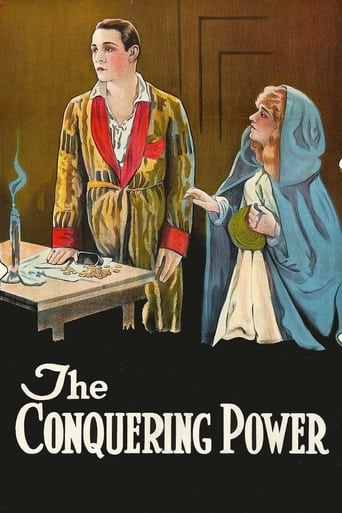
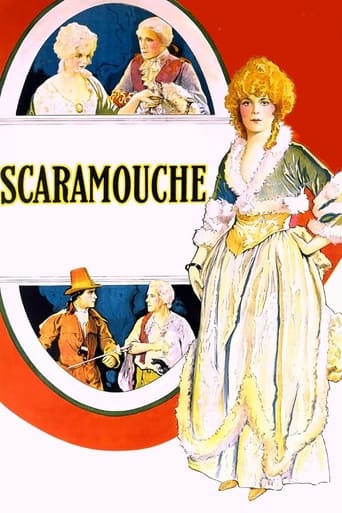
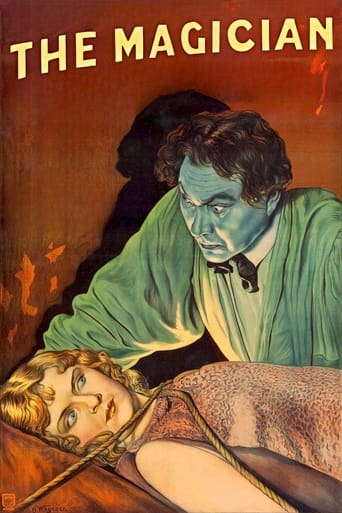
More about this film
About the production
Release dateDecember 26, 1926
BudgetApproximately $500,000 (a substantial budget for a silent film of the era)
Box officeModerately successful, though exact figures are not well-documented
ProductionRex Ingram Productions, Metro-Goldwyn-Mayer
Filmed inMarseille, France, Mediterranean Sea locations, MGM Studios, Culver City, California
Director Rex Ingram insisted on authentic maritime sequences, actually filming on the Mediterranean Sea. The production faced significant challenges including dangerous weather conditions at sea and the logistical difficulties of coordinating large-scale naval battle scenes. Ingram's meticulous attention to detail extended to the period costumes and military uniforms, which were historically accurate for the World War I setting.
Themes
Patriotism vs. Personal MoralitySacrifice and RedemptionThe Futility of WarInternational ConflictRomantic Love vs. Duty
Themes & topics
World War ISpyMerchant MarineMediterranean SeaHospital ShipGerman EspionageNaval WarfareTragic RomanceSelf-SacrificePatriotism
Historical background
Silent-era production in 1926 relied on intertitles, live accompaniment, and studio systems that were rapidly consolidating into national industries. Archival sources describe Mare Nostrum as 1926 film by rex ingram. Contemporary context can be traced through sources such as the Wikipedia article on Mare Nostrum (1926 film).
Why this film matters
Mare Nostrum remains part of the screen heritage of its era, offering evidence of prevailing genres, production methods, and audience tastes. Later revivals, archive screenings, and digitization have kept such titles accessible to researchers and dedicated viewers long after their first commercial runs.
Making of
Rex Ingram, known for his perfectionism and artistic vision, spent months preparing for this maritime epic. He insisted on filming actual ocean sequences rather than relying on studio tanks, leading to a production that was both ambitious and dangerous. The cast and crew spent weeks aboard ships in the Mediterranean, often working in challenging weather conditions. Alice Terry, playing the German spy Freya, had to perform her own stunts in several scenes, including dramatic sequences on the ship's rigging. Ingram's collaboration with cinematographer John F. Seitz resulted in some of the most sophisticated visual effects of the silent era, particularly in the naval battle sequences that combined full-scale ships with expertly crafted miniatures. The production was also notable for its international cast and crew, reflecting the film's pan-European setting.
What critics said
Trade and newspaper reviews from the silent period for Mare Nostrum survive only in fragments, making precise reception history difficult to reconstruct. Modern assessment tends to emphasize historical value, craft, and cultural context rather than box-office performance.
Did you know?
- The film is based on the 1918 novel of the same name by Spanish author Vicente Blasco Ibáñez, who also wrote 'The Four Horsemen of the Apocalypse'
- Director Rex Ingram was married to his leading lady Alice Terry, who played Freya Talberg, marking their fifth collaboration together
- The title 'Mare Nostrum' is Latin for 'Our Sea,' referring to how the Romans called the Mediterranean Sea
- The film featured groundbreaking miniature work for the naval battle sequences, considered highly advanced for 1926
- Despite being an American production, most of the film was shot on location in Europe, unusual for the time
- The film's original running time was approximately 140 minutes, but it was cut for various releases
- MGM promoted the film heavily as an epic romance, though it contains significant anti-war undertones
- The ship used for filming was an actual merchant vessel that had served during World War I
- The film was one of the last major silent epics before the transition to sound began in earnest
- Contemporary critics praised the film's visual scope but some found the romantic elements melodramatic
Awards & recognition
- Photoplay Medal of Honor (1926) - Winner
Visual style
John F. Seitz's cinematography in Mare Nostrum was groundbreaking for its time, particularly in the maritime sequences. The film features stunning location photography on the Mediterranean Sea, with dramatic shots of ships battling stormy weather and engaging in naval warfare. Seitz employed innovative techniques including multiple camera setups on moving vessels and the use of filters to enhance the ocean's dramatic appearance. The battle sequences skillfully combined full-scale photography with miniature effects, creating seamless and convincing action scenes. The interior lighting, particularly in the hospital ship scenes, demonstrates the sophisticated use of natural and artificial light that characterized late silent era cinematography.
Innovations
Mare Nostrum was technically innovative for its time, particularly in its approach to filming maritime sequences. The production team developed new techniques for mounting cameras on moving ships, allowing for dynamic shots that had rarely been achieved before. The miniature effects work for the naval battles was considered state-of-the-art, with detailed ship models and sophisticated pyrotechnic effects. The film also featured advanced matte painting techniques for creating the illusion of expansive ocean vistas. Ingram's use of deep focus photography in certain scenes was ahead of its time, creating more visually complex compositions than typical of the era.
Music
As a silent film, Mare Nostrum would have been accompanied by live musical performances in theaters. The original score was composed by William Axt and David Mendoza, who created a sweeping orchestral composition that emphasized the film's romantic and dramatic elements. The score featured leitmotifs for the main characters and incorporated martial themes for the war sequences. For the European releases, local musicians often adapted the score to include regional musical elements. Modern screenings of restored versions typically feature newly commissioned scores that attempt to capture the spirit of the original while utilizing contemporary orchestral arrangements.
Famous quotes
'Our sea... and our destiny' (opening title card)
'In war, love is the first casualty' (intertitle)
'I serve my country, but my heart serves you' (Freya's declaration)
'The Mediterranean claims her own, in love and in death' (closing title card)
Memorable scenes
- The dramatic naval battle sequence where miniature ships and full-scale vessels create a convincing wartime engagement
- Freya's emotional farewell scene on the ship's deck as she accepts her fate
- The storm sequence where the Mare Nostrum battles Mediterranean waters, showcasing innovative camera work
- The hospital ship scenes highlighting the human cost of war with authentic period details
- The final execution scene, powerfully conveyed through silent acting and visual composition
What audiences thought
Initial audience reception was generally positive, with the film performing well in major cities. The romantic storyline between Alice Terry and Antonio Moreno resonated with audiences of the time, though some found the pacing slow by modern standards. The spectacular naval sequences were particularly popular with moviegoers. However, the film's release came just before the sound revolution, and like many late silent epics, it was quickly overshadowed by the new technology. Today, the film is primarily seen by silent film enthusiasts and cinema historians, though those who discover it often praise its visual beauty and emotional depth.
Film connections
Influenced by
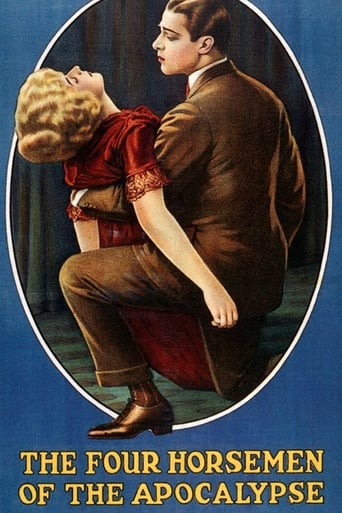
- The Four Horsemen of the Apocalypse (1921) - also based on Blasco Ibáñez
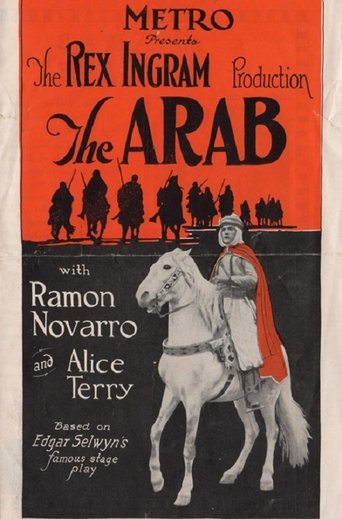
- The Arab (1924) - previous Rex Ingram film
- War Bride (1925) - similar wartime romance themes
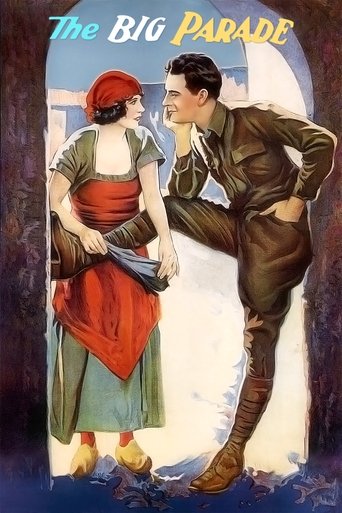
- The Big Parade (1925) - contemporary WWI film
This film influenced
- Morocco (1930) - similar exotic romance themes
- Casablanca (1942) - wartime romance with moral complexity
- The African Queen (1951) - maritime adventure romance
- Das Boot (1981) - submarine warfare elements
Film restoration
Mare Nostrum survives in complete form, though some scenes remain lost or incomplete. The film has been preserved by the Museum of Modern Art and the Library of Congress. A restored version was released in the 1990s, combining elements from various prints to create the most complete version available. The restoration work revealed the film's impressive visual quality, particularly in the maritime sequences. Some original tinting has been preserved, adding to the film's visual impact. The film occasionally screens at silent film festivals and special cinema events, often with live musical accompaniment.
Where to watch
- Available on DVD from Warner Archive Collection
- Streaming on The Criterion Channel (occasionally featured in silent film programming)
- Can be viewed at film archives including the Museum of Modern Art
- Occasionally broadcast on Turner Classic Movies during silent film showcases
- Available through some educational film distribution services