
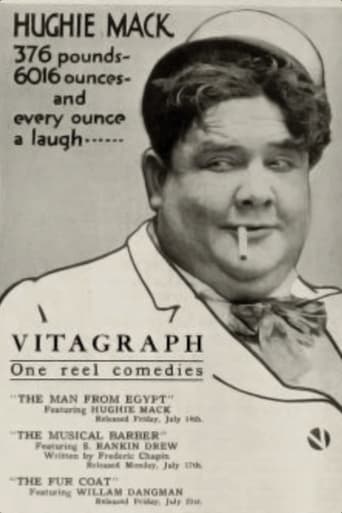
Hughie Mack
Actor
Born: November 13, 1884 in Brooklyn, New York, USA Died: October 13, 1927 Active: 1916-1927 Birth Name: Hugh McKeen
Films
5 films
About Hughie Mack
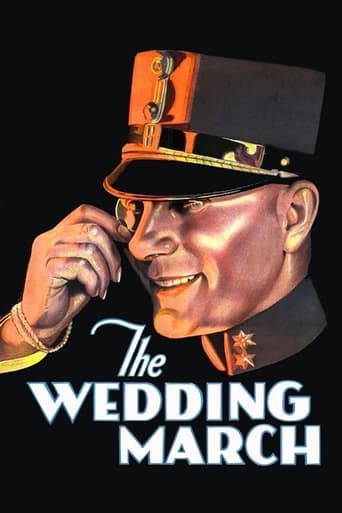
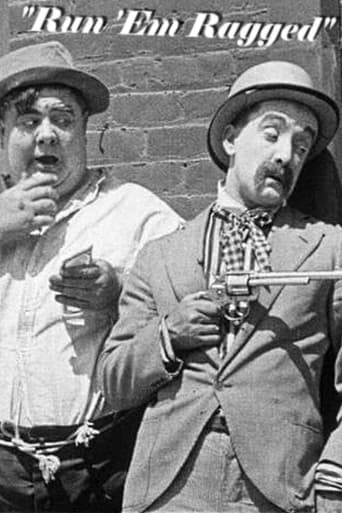
Hughie Mack, born Hugh McKeen, was a prolific American silent film actor and comedian who enjoyed a decade-long career during the golden age of silent cinema. Beginning his film career in 1916 with 'The Man from Egypt,' Mack quickly established himself as a reliable character actor and comic relief performer, appearing in numerous short comedies and feature films throughout the late 1910s and early 1920s. His work during this period included titles like 'Rips and Rushes' (1917) and 'Run 'Em Ragged' (1920), where he developed his signature style of physical comedy and expressive facial gestures that translated well to the silent medium. Mack reached the pinnacle of his career in 1926 with appearances in two major productions: Erich von Stroheim's acclaimed drama 'The Wedding March' and the epic 'Mare Nostrum,' demonstrating his versatility beyond pure comedy. Despite his success and extensive filmography of over 150 appearances, Mack's career was cut short by his untimely death in 1927 at the age of 42, just as the transition to sound films was beginning. His legacy represents the countless character actors who formed the backbone of Hollywood's silent era, providing essential support to leading stars and contributing to the early American cinema.
The Craft
On Screen
Mack specialized in physical comedy and expressive pantomime, utilizing exaggerated facial expressions and body language to convey humor and emotion in silent films. His performances were characterized by broad gestures and timing that made him an effective supporting comedian, often playing the loyal sidekick or bumbling friend to leading characters. His style was typical of the silent era's emphasis on visual storytelling, where actors had to communicate entire narratives through movement and expression alone.
Milestones
- Film debut in 'The Man from Egypt' (1916)
- Prolific career with over 150 film appearances
- Featured role in Erich von Stroheim's 'The Wedding March' (1926)
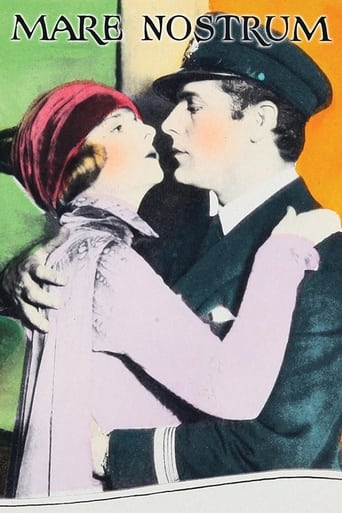
- Appearance in major production 'Mare Nostrum' (1926)
- Established reputation as reliable character actor and comic performer
Best Known For
Iconic Roles
Must-See Films
Working Relationships
Worked Often With
Studios
Why They Matter
Impact on Culture
Hughie Mack represents the essential but often overlooked character actors who formed the foundation of silent era cinema. While never a leading star, his consistent work across hundreds of films contributed significantly to the entertainment value and narrative structure of early American movies. His ability to provide comic relief and support to main storylines helped establish the template for supporting actors in Hollywood, demonstrating how crucial secondary characters were to the success of silent films. Mack's career trajectory from short comedies to major feature films also illustrates the professional paths available to character actors during this formative period of cinema.
Lasting Legacy
Hughie Mack's legacy lies in his contribution to the silent era entertainment, representing the thousands of working actors who brought life and humor to early cinema. Though his name is not widely remembered today, his extensive filmography serves as a valuable record of the types of performances and characterizations that audiences enjoyed during the 1910s and 1920s. His work in major productions like 'The Wedding March' ensures that at least some of his performances survive for film historians and silent cinema enthusiasts to study and appreciate.
Who They Inspired
Mack influenced subsequent generations of character actors through his demonstrated reliability and versatility in supporting roles. His approach to physical comedy and expressive performance techniques provided a model for other actors working in silent films, particularly those specializing in comedic supporting parts. While he didn't pioneer new techniques, his consistent professionalism and ability to adapt to different types of productions set a standard for character actors in the studio system that would follow.
Off Screen
Hughie Mack was born Hugh McKeen in Brooklyn, New York, and rose from humble beginnings to become a recognizable face in silent cinema. He married actress Louise Fazenda, though the marriage ended in divorce, and he later married actress Grace Cunard. His personal life was marked by the typical pressures of Hollywood during the silent era, and his career was tragically cut short when he died of a heart attack in Hollywood at the age of 42, just as the film industry was transitioning to sound.
Education
Limited formal education; likely self-taught in acting through vaudeville and early film experience
Family
- Louise Fazenda (1917-1920)
- Grace Cunard (1921-1927)
Did You Know?
- Appeared in over 150 films during his decade-long career
- Changed his professional name from Hugh McKeen to Hughie Mack for better marketability
- Was married to two prominent actresses of the silent era
- Died just as Hollywood was transitioning to sound films, potentially limiting his career evolution
- Worked with acclaimed director Erich von Stroheim on 'The Wedding March'
- His death at age 42 cut short what could have been a longer career in talkies
- Specialized in both short comedies and supporting roles in feature films
- Began his career during the early boom years of American film production
- His filmography includes many lost films from the silent era
- Represented the typical working actor's experience in early Hollywood
In Their Own Words
No documented famous quotes from Hughie Mack are available, which was common for supporting actors of the silent era who primarily communicated through performance rather than dialogue
Frequently Asked Questions
Who was Hughie Mack?
Screen credits include over 150 films between 1916 and 1927. Born Hugh McKeen, he specialized in character roles and comic performances, working in both short comedies and major feature films during the golden age of silent cinema.
What films is Hughie Mack best known for?
Titles linked here include The Wedding March (1926), Mare Nostrum (1926).
When was Hughie Mack born and when did he die?
Born November 13, 1884; died October 13, 1927.
What awards did Hughie Mack win?
Hughie Mack did not receive any major awards during his career, which was common for supporting character actors of the silent era. The Academy Awards were not established until 1929, two years after his death, and recognition for character actors was limited during his active period.
What was Hughie Mack's acting style?
Mack specialized in physical comedy and expressive pantomime, using exaggerated facial expressions and body language to convey humor and emotion in silent films. His style was characterized by broad gestures and timing that made him an effective supporting comedian, often playing loyal sidekicks or bumbling friends to leading characters.
Was Hughie Mack married?
Yes, Hughie Mack was married twice during his lifetime. His first marriage was to actress Louise Fazenda from 1917 to 1920, and his second marriage was to actress Grace Cunard from 1921 until his death in 1927.
How many films did Hughie Mack appear in?
Hughie Mack appeared in over 150 films during his decade-long career from 1916 to 1927. His filmography included numerous short comedies and feature films, though many of these silent films have been lost over time.
What was Hughie Mack's real name?
Hughie Mack's birth name was Hugh McKeen. He changed his professional name to Hughie Mack for better marketability in the film industry, a common practice among actors of the silent era.