
The Man from Egypt
"Ruby of Ammet, hotel bellhop"
Keys: Space play/pause · ←/→ 10s · F fullscreen · M mute · </> speed
About this film
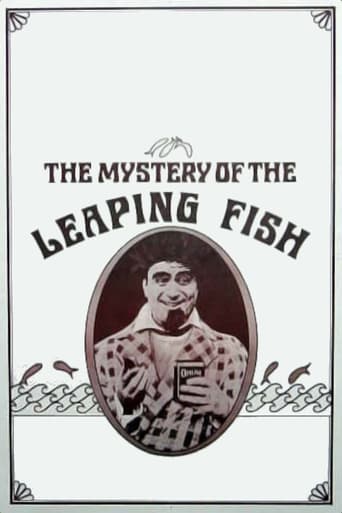
Hotel bellhop Hughey steals the ruby eye of god Ammet and courts a millionaire's daughter until divine wrath intervenes. A 1916 Egyptian-curse comedy.
Cast & crew
More films like this

More Comedy films
View all →







More from Larry Semon
View all →

More about this film
About the production
Release dateMarch 27, 1916
ProductionVitagraph Company of America
Filmed inLos Angeles, California
The Man from Egypt was produced during the height of the silent comedy era when Larry Semon was establishing himself as a prominent comedy director. The film capitalized on the contemporary fascination with Egyptology that had swept America following archaeological discoveries in Egypt. The production utilized elaborate sets designed to mimic Egyptian temples and opulent hotel interiors, typical of Vitagraph's commitment to visual spectacle in their comedy shorts.
Themes
Theft and consequencesCultural appropriation and stereotypesPursuit and escapeSocial climbingDivine retribution
Themes & topics
Historical background
Released in 1916, The Man from Egypt belongs to the silent feature period and reflects production norms of its release season.
Why this film matters
The Man from Egypt contributes to understanding regional output and audience tastes around 1916.
Making of
The production of The Man from Egypt took place during a transitional period in Hollywood when studios were moving from New York to California. Larry Semon, known for his energetic visual gags and elaborate chase sequences, incorporated his signature style into this Egyptian-themed comedy. The film's sets were designed to create the illusion of both Egyptian temples and luxurious hotel interiors, showcasing Vitagraph's commitment to production value even in short films. The chase sequences required extensive coordination between the actors and stunt performers, with Hughie Mack performing many of his own physical comedy stunts. The film was shot on the Vitagraph studio lot in Hollywood, which had recently been expanded to accommodate the growing demand for feature films and quality shorts.
What critics said
Review records for The Man from Egypt are typical of 1916: brief for shorts, more sustained for features.
Did you know?
- Larry Semon, who directed the release, was especially prolific comedy directors of the silent era, directing over 100 films in his career
- The film was released during the peak of Egyptomania in America, a cultural fascination with ancient Egypt that influenced fashion, architecture, and popular culture
- Hughie Mack, the star, was a popular comedy actor who often played bumbling, good-hearted characters in silent comedies
- The Eye of Ammet was a fictional creation, but it drew inspiration from real Egyptian mythology and the concept of cursed artifacts
- the release is one of many silent comedies that used the 'stolen artifact' trope as a plot device to generate chase sequences and physical comedy
- Jewell Hunt, who played the millionaire's daughter, was a frequent collaborator with Larry Semon and appeared in many of his films
- The sheik character in the film was part of a broader Hollywood trend of stereotypical Middle Eastern characters in early cinema
- Vitagraph Company of America, the production company, was one of the pioneering film studios in early American cinema
Visual style
The cinematography in The Man from Egypt was typical of Vitagraph productions in 1916, featuring relatively static camera positions with occasional tracking shots during chase sequences. The film used natural lighting for outdoor scenes and artificial lighting for interior sets, which was standard practice for the era. The Egyptian temple scenes employed dramatic lighting techniques to create mysterious atmospheres, while the hotel interiors were brightly lit to emphasize the comedy. The film's visual style prioritized clarity over artistic experimentation, ensuring that audiences could easily follow the physical gags and narrative action.
Innovations
The Man from Egypt employed standard filmmaking techniques for its era but demonstrated Vitagraph's commitment to production quality in their short comedies. The film's set design was more elaborate than typical comedy shorts of the period, featuring detailed Egyptian temple facades and well-appointed hotel interiors. The chase sequences required careful choreography and timing, showcasing the growing sophistication of action staging in silent comedies. The film also utilized cross-cutting techniques to build suspense during the pursuit scenes, a technique that was becoming increasingly sophisticated in 1916.
Music
As a silent film, The Man from Egypt would have been accompanied by live musical performances during its theatrical run. The typical score would have included popular songs of the period, classical pieces adapted for comedic effect, and original improvisations by theater musicians. The chase sequences likely featured fast-paced, lively music to enhance the action, while the romantic scenes would have been accompanied by more melodic, romantic themes. The Egyptian scenes probably incorporated 'exotic' sounding music to evoke the setting, possibly using instruments associated with Middle Eastern music.
Famous quotes
Beware the ire of the sacred God Ammett, or any other of those Egyptian Gods for that matter
For every ruby or other gem stolen from an Egyptian shrine, there is a bearded sheik who has taken a vow never to eat, drink or sleep until the talisman has been returned
Memorable scenes
- The climactic chase sequence where Hughie Mack desperately tries to evade the vengeful sheik while protecting the ruby, featuring elaborate physical comedy and rapid movement through various hotel and Egyptian-themed locations
What audiences thought
Audiences in 1916 responded favorably to The Man from Egypt, as it provided the escapist entertainment that moviegoers sought during the tense period of World War I. The combination of physical comedy, exotic settings, and a straightforward plot made it accessible to a broad audience. The film's release as part of a program of shorts meant it was seen by a wide range of theater patrons, from working-class nickelodeon attendees to more sophisticated theater-goers.
Film connections
Influenced by
- Earlier Keystone comedies
- Chaplin's tramp characterizations
- Egyptian-themed popular culture
- Slapstick traditions from vaudeville
This film influenced
- Later Larry Semon comedies
- 1920s chase comedies
- Other Egyptian-themed silent films
Film restoration
The preservation status of The Man from Egypt is uncertain. Many silent films from this period, particularly comedy shorts, have been lost due to the decomposition of nitrate film stock and lack of systematic preservation efforts in the early 20th century. If copies survive, they would likely be held in film archives such as the Library of Congress or the Museum of Modern Art's film collection.
Where to watch
- Due to its age and uncertain preservation status, The Man from Egypt is not currently available on mainstream streaming platforms. If preserved, it may occasionally be screened at silent film festivals or special retrospectives. Film archives and specialized silent film collections may hold prints for academic research purposes.