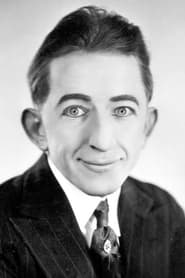
Larry Semon
Actor & Director
Born: July 6, 1889 in St. Louis, Missouri, USA Died: October 8, 1928 Active: 1916-1927 Birth Name: Lawrence Semon
Films
17 films
Underworld
1927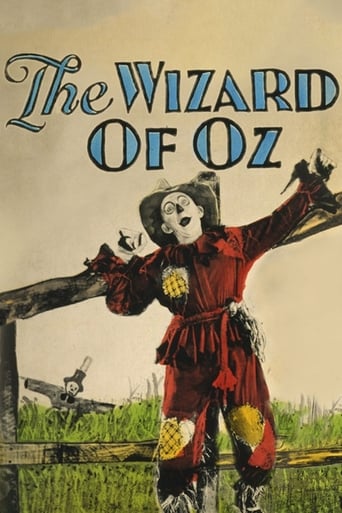
The Wizard of Oz
1925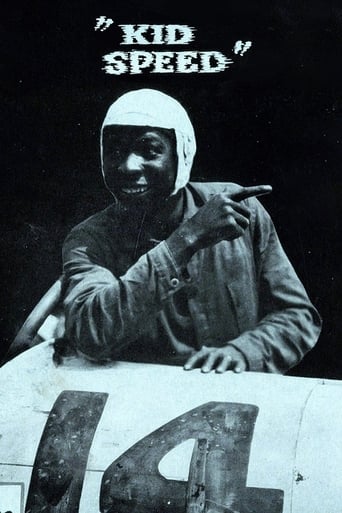
Kid Speed
1924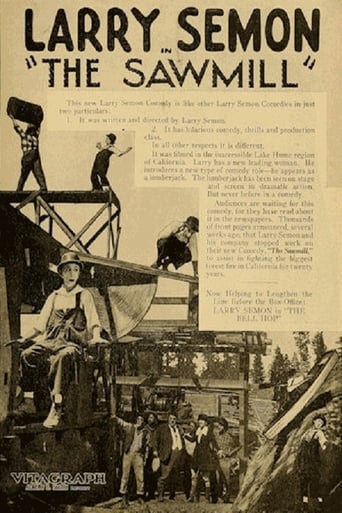
The Sawmill
1922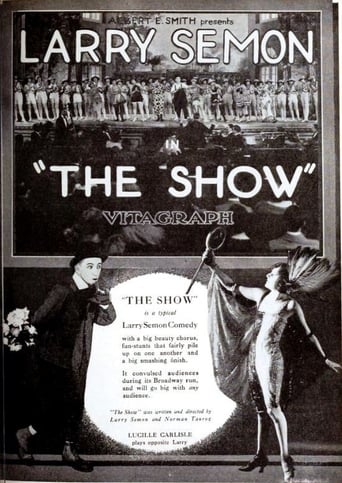
The Show
1922
Bears and Bad Men
1918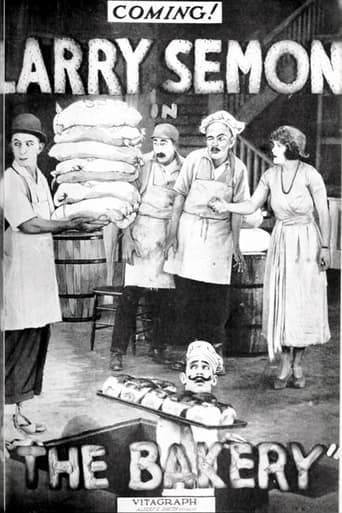
The Bakery
1921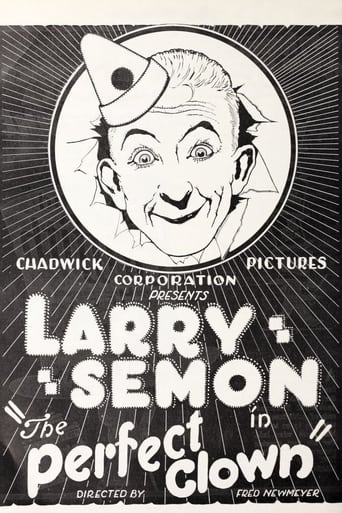
The Perfect Clown
1925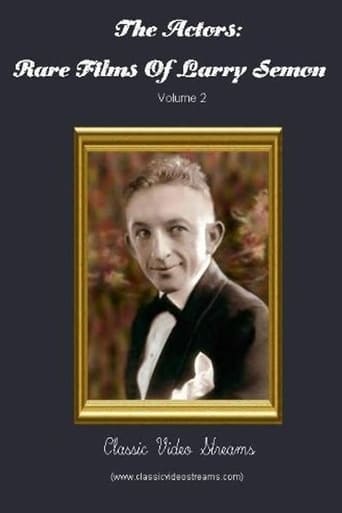
Dunces and Dangers
1918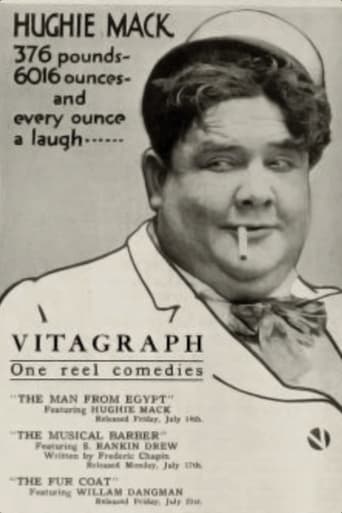
The Man from Egypt
1916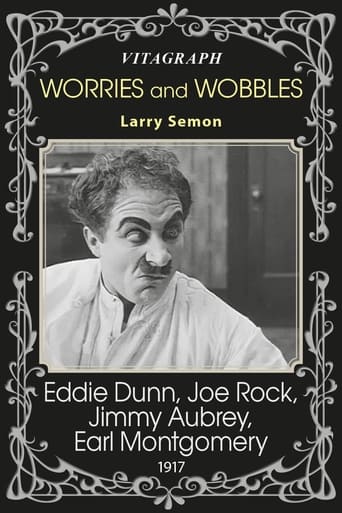
Worries and Wobbles
1917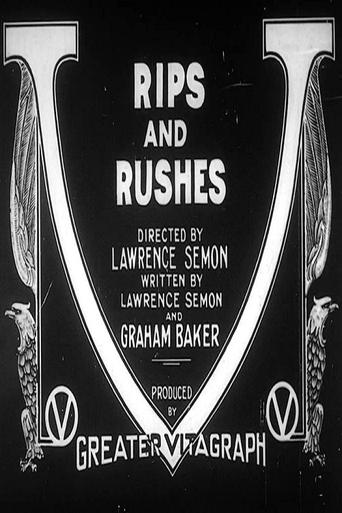
Rips and Rushes
1917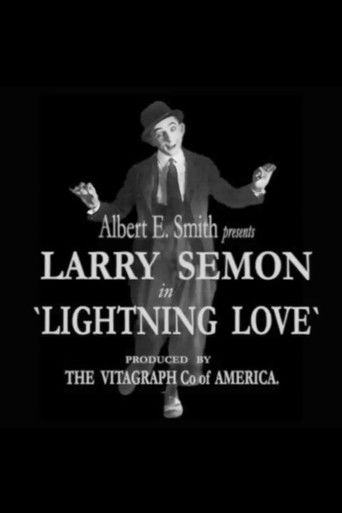
Lightning Love
1923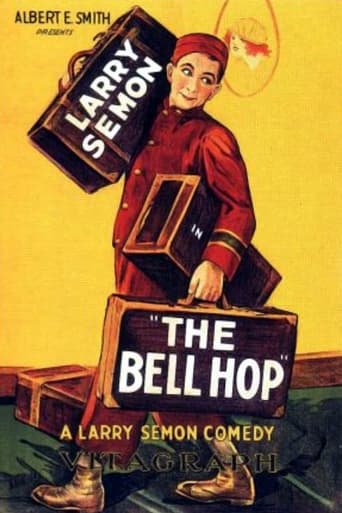
The Bell Hop
1921
Tough Luck and Tin Lizzies
1917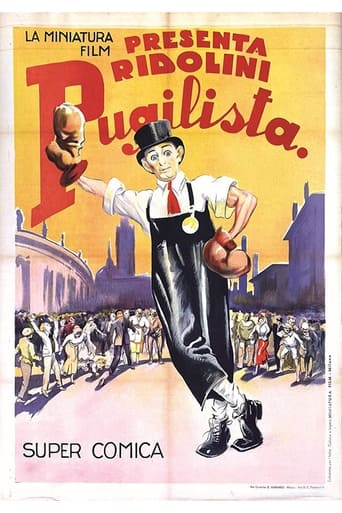
Horseshoes
1923About Larry Semon
Larry Semon was popular and inventive silent film comedians of the 1910s and 1920s, known for his frantic energy, elaborate sight gags, and daredevil stunts. Born Lawrence Semon in St. Louis, Missouri, he began his career as a cartoonist before transitioning to film comedy, where he quickly established himself as a major star at Vitagraph Studios. Semon wrote, directed, and starred in hundreds of short comedies between 1916 and 1927, developing a distinctive style characterized by rapid-fire pacing, surreal visual humor, and increasingly dangerous stunt work. His peak popularity came in the early 1920s when he was one of the highest-paid comedians in Hollywood, commanding salaries comparable to Chaplin and Keaton. However, his career was irreparably damaged by the catastrophic failure of his 1925 feature The Wizard of Oz, a bizarre adaptation that bankrupted him and destroyed his reputation. Despite attempts to revive his career with smaller productions, Semon's health deteriorated due to alcoholism and tuberculosis, leading to his premature death at age 39 in 1928. Today, while largely forgotten by mainstream audiences, film historians recognize Semon as an innovative comedy pioneer whose influence can be seen in later physical comedians.
The Craft
On Screen
Semon's acting style was characterized by hyperkinetic physical comedy, exaggerated facial expressions, and a frantic energy that set him apart from his contemporaries. He employed a distinctive rubber-faced approach to comedy, with his features contorting in impossible ways during his most intense comic moments. Unlike the more methodical pacing of Keaton or the pathos of Chaplin, Semon's comedy was relentless and explosive, often featuring him in a state of perpetual motion. His signature look typically involved a comically small hat perched precariously on his head and a perpetually bewildered expression that telegraphed his confusion in increasingly absurd situations.
Behind the Camera
As a director, Semon was known for his elaborate and technically ambitious approach to visual gags, often employing complex machinery, elaborate sets, and dangerous stunts that pushed the boundaries of what was possible in silent comedy. His films featured rapid editing and a breakneck pace that kept audiences in a constant state of comic anticipation. Semon was particularly innovative in his use of special effects and camera tricks to create surreal, dreamlike sequences that defied the laws of physics. His directing philosophy emphasized spectacle over subtlety, with each successive film attempting to outdo the previous one in terms of scale and inventiveness.
Milestones
- Signed with Vitagraph Studios in 1916 and became their top comedy star
- Created over 200 comedy shorts during his peak years (1916-1925)
- Established his own production company, Larry Semon Productions
- Released The Wizard of Oz (1925), his most ambitious but disastrous project
- Was one of the highest-paid comedians of the early 1920s
Best Known For
Iconic Roles
Must-See Films
Accolades
Special Recognition
- Star on the Hollywood Walk of Fame (motion pictures)
Working Relationships
Worked Often With
Studios
Why They Matter
Impact on Culture
Larry Semon represented the peak of spectacular, stunt-driven silent comedy that prioritized visual spectacle over character development. His films reflected the post-WWI appetite for escapist entertainment and technological marvel, with each new short attempting to outdo previous ones in terms of scale and inventiveness. Semon's work embodied the excess and ambition of the Roaring Twenties, with his elaborate gags and dangerous stunts serving as a metaphor for the decade's disregard for limits. While his style fell out of favor as comedy evolved toward more character-driven narratives, Semon's influence can be seen in the work of later physical comedians who embraced his philosophy of bigger and more elaborate gags.
Lasting Legacy
Despite being largely forgotten by mainstream audiences, Larry Semon's legacy endures among film historians and silent comedy enthusiasts as an innovator who pushed the boundaries of visual comedy. His hundreds of short films serve as a valuable record of the technical and artistic possibilities of silent era filmmaking, particularly in the realm of special effects and stunt work. Semon's tragic story of meteoric rise and catastrophic fall has become a cautionary tale in Hollywood history, illustrating the dangers of artistic ambition unchecked by practical considerations. His work has experienced modest revival through home video releases and film preservation efforts, allowing new generations to appreciate his unique contributions to comedy cinema.
Who They Inspired
Larry Semon's influence on subsequent comedy filmmakers is evident in the work of The Three Stooges, who adopted similar timing and gag structures in their own shorts. His elaborate visual style can be seen in the films of Jerry Lewis and Jacques Tati, who similarly prioritized physical spectacle and technical innovation in their comedy. The tradition of comedians performing their own dangerous stunts, popularized by Semon, continued through stars like Jackie Chan, who acknowledged the debt early physical comedians owed to pioneers like Semon. His approach to comedy as a form of visual art rather than merely entertainment influenced later filmmakers who saw comedy as a medium for technical and artistic experimentation.
Off Screen
Larry Semon's personal life was marked by professional success overshadowed by personal tragedy and decline. He married actress Dorothy Dwan in 1925, who co-starred with him in The Wizard of Oz, but their marriage was strained by his mounting debts and alcoholism. The couple had one daughter, Vanessa, before divorcing in 1928. Semon's later years were plagued by financial troubles, health issues including tuberculosis, and severe alcohol dependency that contributed to his early death. Despite his enormous popularity and earnings during his peak, he died virtually penniless, with his funeral expenses paid by friends in the industry.
Education
Attended Washington University in St. Louis, studied art and engineering
Family
- Dorothy Dwan (1925-1928)
Did You Know?
- Semon began his career as a cartoonist for newspapers before entering films
- He was one of the highest-paid stars of the early 1920s, earning over $3,000 per week
- His disastrous 1925 adaptation of The Wizard of Oz cost $500,000 but earned only $100,000
- Semon performed many of his own dangerous stunts, often resulting in injuries
- He appeared in over 300 films during his career, most of which he also wrote and directed
- His trademark look included a comically small bowler hat that seemed to defy gravity
- Oliver Hardy appeared in many Semon films before teaming with Stan Laurel
- Semon's films were among the first to use elaborate special effects for comedy
- He died in the same year that sound films revolutionized Hollywood
- His daughter Vanessa was only two years old when he died
In Their Own Words
Comedy is not pretty. It's dangerous business, and I've got the scars to prove it.
If a gag doesn't hurt a little, it's not funny enough.
I'd rather break every bone in my body than bore an audience for one second.
Frequently Asked Questions
Who was Larry Semon?
Prominent American silent film comedian, actor, and on YTB.my. Known for his frantic energy, elaborate stunts, and innovative visual gags, he created hundreds of comedy shorts before his career was derailed by the disastrous failure of his 1925 film The Wizard of Oz.
What films is Larry Semon best known for?
Titles linked here include The Wizard of Oz (1925), The Sawmill (1922).
When was Larry Semon born and when did he die?
Born July 6, 1889; died October 8, 1928.
What awards did Larry Semon win?
During his lifetime, Larry Semon did not receive major industry awards, as many modern film honors were not established during the silent era. However, he was posthumously honored with a star on the Hollywood Walk of Fame for his contributions to motion pictures.
What was Larry Semon's acting and directing style?
Semon's style was characterized by hyperkinetic physical comedy, elaborate sight gags, and dangerous stunts. As a director, he pioneered technical innovations and special effects for comedy, creating surreal, dreamlike sequences that defied physics. His approach emphasized spectacle, rapid pacing, and increasingly elaborate gags that pushed the boundaries of what was possible in silent comedy.