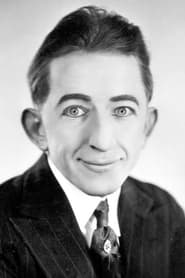
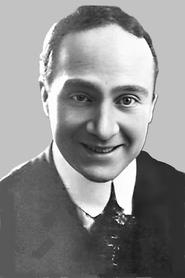


Worries and Wobbles
"Homecoming turns slapstick when the husband is drunk."
Keys: Space play/pause · ←/→ 10s · F fullscreen · M mute · </> speed
About this film
In 1917, a man comes home drunk in a slapstick comedy.
Cast & crew
More films like this

More Comedy films
View all →







More from Larry Semon
View all →

More about this film
About the production
Release dateJune 1917
ProductionVitagraph Company of America
Filmed inVitagraph Studios, Brooklyn, New York
This film was part of Larry Semon's series of comedy shorts produced for Vitagraph during 1917. Semon, who would later become a major comedy star in his own right, was primarily directing at this stage of his career. The film was shot on Vitagraph's Brooklyn studio lot, which was one of the major film production facilities on the East Coast before the industry's migration to Hollywood. The production utilized typical slapstick comedy techniques of the era, including exaggerated physical comedy, prop gags, and carefully choreographed stunts.
Themes
Drunkenness and its consequencesDomestic discordPhysical comedy and slapstick humorMale incompetence in domestic situationsThe battle between spouses
Themes & topics
drunkhomecomingslapstickdomestic comedyphysical comedychaosmishapswifedestructionchase
Historical background
Released in 1917, Worries and Wobbles reached audiences during the silent era, when exhibition and production norms differed sharply from today's.
Why this film matters
Worries and Wobbles remains viewable through digital archives, preserving 1917 screen culture for modern audiences.
Making of
The production of 'Worries and Wobbles' took place during a transitional period in American cinema, as the industry was shifting from the East Coast to Hollywood. Larry Semon, though primarily known as a performer in later years, was honing his directorial skills on these Vitagraph shorts. Jimmy Aubrey, the star, was a British-born comedian who had worked with Chaplin earlier in his career. The film's production would have been rapid, with most comedy shorts of the era being completed in 2-3 days of shooting. The physical comedy required careful timing and rehearsal, particularly for the drunken sequences which demanded precise choreography to appear convincingly inebriated while maintaining safety during the stunts. The Vitagraph studio in Brooklyn was equipped with multiple sets that could be quickly reconfigured for different scenes, allowing for efficient production of these short comedies.
What critics said
Modern notes on Worries and Wobbles emphasize preservation, stylistic choices, and its place within director or studio filmographies.
Did you know?
- This was one of the earliest collaborations between Larry Semon and Jimmy Aubrey, who would work together on numerous comedy shorts throughout the late 1910s.
- Joe Rock, who appears in the film, would later become a successful comedy producer and was responsible for discovering and promoting Stan Laurel before Laurel teamed with Oliver Hardy.
- The film was released during World War I, a time when comedy shorts were particularly popular as escapist entertainment for audiences dealing with wartime anxieties.
- Vitagraph Company of America, the production company, was one of the oldest film studios in America, founded in 1897, and was a major competitor to Edison's film company.
- Larry Semon would later become one of the highest-paid comedy stars of the 1920s, but his career would decline tragically with the advent of sound films.
- The film's title 'Worries and Wobbles' was typical of the alliterative, playful titles given to comedy shorts of the era.
- This film is part of a series of Jimmy Aubrey comedies directed by Semon, all following similar themes of domestic mishaps and slapstick humor.
- The film was likely shot in just a few days, as was common for comedy shorts of this period.
- No original intertitles from the film are known to survive, making reconstruction of the exact dialogue impossible.
- The film represents an early example of the 'drunk comedy' genre that would become a staple in silent film comedy.
Visual style
The cinematography in 'Worries and Wobbles' was typical of Vitagraph productions from 1917, utilizing stationary cameras with occasional pans to follow the action. The film would have been shot on black and white film stock with the lighting techniques common to indoor studio sets of the period. The camera work was functional rather than artistic, designed primarily to clearly capture the physical comedy without distracting from the performers. The cinematographer would have focused on ensuring proper visibility of the slapstick gags and maintaining continuity in the rapid-fire sequence of comedic mishaps.
Innovations
The film did not introduce any significant technical innovations but utilized the standard techniques of 1917 comedy production. The technical aspects included basic editing techniques like cutaways and continuity editing to maintain the flow of physical comedy. The film would have employed simple special effects such as stop-motion for certain gags and carefully timed editing to enhance the comedic timing. The production would have used the standard 35mm film format of the era, with the typical projection speed of 16-18 frames per second common for silent films.
Music
As a silent film, 'Worries and Wobbles' would have been accompanied by live musical performance during its theatrical run. The typical score would have been provided by a theater's house pianist or organist, who would improvise or use stock musical cues appropriate to the on-screen action. For a comedy, the music would have been upbeat and whimsical, with faster tempos during chase sequences and more playful melodies for the drunken antics. No original score or specific musical cues were composed for the film, as was standard practice for shorts of this era.
Memorable scenes
- The opening sequence where Jimmy Aubrey struggles to navigate his home while severely intoxicated, stumbling over furniture and creating chaos in his wake. This extended sequence of physical comedy showcases the classic drunk routine that was a staple of silent comedy, with Aubrey's exaggerated movements and facial expressions providing the humor as he attempts to maintain his dignity while his body betrays him completely.
What audiences thought
Audiences in 1917 would have received 'Worries and Wobbles' as standard entertainment fare, typical of the comedy shorts that accompanied feature films in theater programs. The theme of drunken mishaps was a reliable comedic device that consistently drew laughs from early cinema audiences. The physical comedy and relatable domestic setting would have made it popular with working-class audiences who frequented nickelodeons and neighborhood theaters. However, like most shorts of the period, it was designed for immediate consumption rather than lasting impact, and few viewers would have remembered it specifically weeks after viewing.
Film connections
Influenced by
- Works of Charlie Chaplin
- Mack Sennett comedies
- Earlier Vitagraph comedy shorts
- British music hall tradition
This film influenced
- Later Larry Semon comedies
- Other Jimmy Aubrey shorts
- Domestic comedy shorts of the late 1910s
Film restoration
The preservation status of 'Worries and Wobbles' is uncertain, and it is likely a lost film. Many Vitagraph shorts from this period have not survived, particularly those that were not considered significant at the time. No known complete prints or fragments of the film are held in major film archives like the Library of Congress, UCLA Film & Television Archive, or the Museum of Modern Art. The film may exist only in fragmentary form or be completely lost, which is unfortunately common for comedy shorts from this era.
Where to watch
- Currently unavailable for viewing - likely lost film
- No known DVD or streaming releases
- May exist in private collections if it survives at all