Films
4 films
About Pietro Aramondo
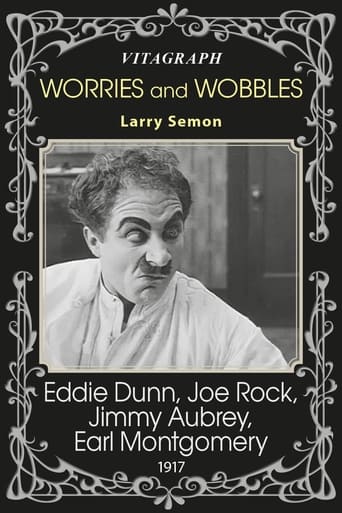
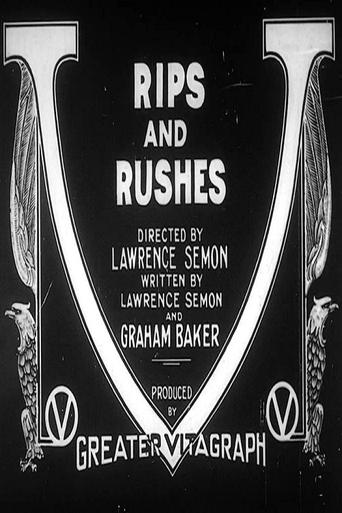
Silent film actor who had a brief but notable career during the transitional period of American cinema in the late 1910s. His work was concentrated in comedy shorts, appearing in at least three films between 1917 and 1918, all of which followed an alliterative naming pattern suggesting they were part of a comedy series. Aramondo's performances in 'Worries and Wobbles' (1917), 'Rips and Rushes' (1917), and 'Dunces and Dangers' (1918) demonstrate his involvement in the thriving short comedy market of the era, where actors often appeared in numerous quick productions. Like many actors of his generation, his career was likely impacted by the transition to sound films and the changing landscape of Hollywood in the 1920s. Despite his limited filmography, Aramondo represents the countless supporting actors who formed the backbone of the silent film industry, contributing to the entertainment of millions during cinema's formative years. His career, though brief, reflects the typical trajectory of many character actors in early Hollywood who worked steadily for a short period before leaving the industry.
The Craft
Milestones
- Appeared in three comedy shorts in 1917-1918
- Part of the thriving silent comedy short film industry
- Worked during the transitional period of American cinema
Best Known For
Must-See Films
Why They Matter
Impact on Culture
Pietro Aramondo's cultural impact is representative of the thousands of working actors who formed the foundation of the silent film industry. While not a star, his contributions to comedy shorts helped establish the comedic traditions that would influence later generations of filmmakers. The alliterative film titles he appeared in ('Worries and Wobbles', 'Rips and Rushes', 'Dunces and Dangers') reflect the popular naming conventions of the era and the industry's focus on creating memorable, marketable short comedies for theater audiences. His work exemplifies the collaborative nature of early filmmaking, where even minor performers played crucial roles in entertaining audiences and developing the language of cinema comedy.
Lasting Legacy
Pietro Aramondo's legacy lies in his representation of the typical working actor of the silent era. While his name may not be widely recognized today, his filmography survives as part of the historical record of American comedy cinema. The three films he appeared in serve as artifacts of the comedy short format that dominated early cinema and provided training ground for many future stars. His brief career illustrates the transient nature of early Hollywood, where countless actors passed through the industry, contributing to the development of film as an art form and entertainment medium. The preservation of his films, even in fragmentary form, helps modern scholars understand the scope and scale of silent era production.
Who They Inspired
As a supporting actor in comedy shorts, Pietro Aramondo's direct influence on subsequent performers is difficult to trace, which is typical for actors of his stature in the silent era. However, his work contributed to the broader tradition of American comedy filmmaking that would influence generations of comedians and filmmakers. The comedy short format he worked in helped establish comedic timing, physical comedy techniques, and narrative structures that would become staples of American comedy cinema. His performances, alongside those of countless other supporting actors, created the ensemble dynamic that was crucial to the success of early comedy shorts and influenced how comedy would be filmed and performed in subsequent decades.
Off Screen
Very little is documented about Pietro Aramondo's personal life, which was common for supporting actors in the silent era who did not achieve star status. Like many actors of his time, personal details were not extensively recorded in film industry publications unless the performer achieved significant fame.
Did You Know?
- Pietro Aramondo's entire known filmography spans only two years (1917-1918)
- All three of his known films feature alliterative titles, suggesting they were part of a comedy series
- The films he appeared in were likely comedy shorts, which were extremely popular during the silent era
- His career coincided with America's entry into World War I, a period that significantly impacted the film industry
- Like many silent era actors, his career ended before the transition to sound films in the late 1920s
- The brevity of his career was typical for many supporting actors who appeared in only a handful of films
- His name suggests Italian heritage, reflecting the diverse makeup of early Hollywood's acting pool
- None of his known films appear to have survived as complete works, which is common for shorts of this period
Frequently Asked Questions
Who was Pietro Aramondo?
Silent film with credits in this catalog.'
What films is Pietro Aramondo best known for?
Titles linked here include Worries and Wobbles (1917), Rips and Rushes (1917).
When was Pietro Aramondo born and when did he die?
Specific birth and death dates for Pietro Aramondo are not documented in available historical records, which is common for supporting actors from the silent era who did not achieve star status.
What awards did Pietro Aramondo win?
There are no documented awards or nominations for Pietro Aramondo, which was typical for most supporting actors in the silent film industry, as major film awards were not established until the late 1920s.
What was Pietro Aramondo's acting style?
While specific details about Aramondo's acting style are not documented, his work in comedy shorts suggests he likely performed in the exaggerated physical style typical of silent era comedy, which relied heavily on visual gags and pantomime.
Why was Pietro Aramondo's career so short?
Aramondo's brief two-year career was typical for many supporting actors in the silent era, who often appeared in only a handful of films before leaving the industry due to the competitive nature of early Hollywood and the transient nature of short film production.