


Rips and Rushes
"In the knockabout one-reeler set in a dance studio."
Keys: Space play/pause · ←/→ 10s · F fullscreen · M mute · </> speed
About this film
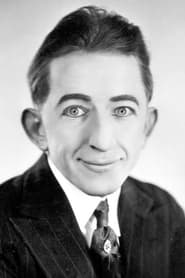
While Larry Semon does not star in Rips and Rushes, its confident gags and frenetic pace suggest his touch. In the knockabout one-reeler set in a dance studio, three suitors compete for the girl. James Aubrey, the actor playing the father’s preferred suitor, may look like a Chaplin imitator, but he came by those skills honorably, born like Chaplin in Britain and likewise coming to the U.S.
Cast & crew
More films like this


More Comedy films
View all →







More from Larry Semon
View all →

More about this film
About the production
Release dateJuly 1917
ProductionVitagraph Company of America
Filmed inVitagraph Studios, Brooklyn, New York
Rips and Rushes was produced during Larry Semon's peak period at Vitagraph Studios, where he was establishing himself as one of the premier comedy directors of the silent era. The film showcases Semon's signature fast-paced editing and physical comedy style, even though he didn't appear on screen himself. As a one-reeler, it was designed to be shown as part of a larger program of short films, typical of exhibition practices in 1917. The dance studio setting allowed for maximum physical comedy opportunities, with props like vases and furniture serving as targets for the escalating chaos.
Themes
Romantic CompetitionSocial Class and MarriageFemale AgencyPhysical Comedy as CatharsisOrder vs. Chaos
Themes & topics
dance studiosuitorsphysical comedybroken vasestorn clothingwindow escaperomantic rivalryslapsticksilent comedyone-reeler
Historical background
The 1917 release of Rips and Rushes belongs to its era's exhibition habits rather than today's franchise model.
Why this film matters
Archivists revisit Rips and Rushes (1917) for performance styles and craft choices later mainstream releases refined.
Making of
The production of Rips and Rushes exemplified the factory-like efficiency of major studios during the silent era. At Vitagraph, Larry Semon had developed a reputation for creating comedies with a distinctive visual style characterized by rapid pacing and elaborate physical gags. The dance studio set was likely constructed on Vitagraph's Brooklyn lot, where the company maintained extensive facilities for indoor shooting. The casting of Jimmy Aubrey reflected the industry's practice of hiring comedians with Karno troupe experience, as they brought proven comedic techniques developed in British music hall tradition. Alice Mann's performance demonstrates how female comedians of the era often had to be both romantic leads and skilled physical comedians, capable of holding their own in chaotic slapstick sequences. The film's destruction of multiple vases and furniture pieces suggests Semon's commitment to visual spectacle and his understanding that audiences of the period appreciated the expense and effort involved in such destructive comedy.
What critics said
Audience data from 1917 is sparse; reception for Rips and Rushes is inferred from reissue and archival interest.
Did you know?
- Larry Semon typically directed and starred in his own comedies, making this film unusual as he only directed while others performed.
- Jimmy Aubrey, who plays the father's preferred suitor, was indeed a British comedian who came to America with Fred Karno's comedy troupe, the same troupe that brought Charlie Chaplin to the United States.
- Alice Mann was a popular Vitagraph comedienne known for her expressive face and physical comedy skills, often stealing scenes from her male co-stars.
- The film's title 'Rips and Rushes' refers to both the ripped clothing that occurs during the physical comedy and the frantic pace of the action.
- Vitagraph Studios was especially prolific film production companies of the 1910s, producing hundreds of short films annually.
- 1917 was during World War I, and comedies like this provided much-needed escapist entertainment for wartime audiences.
- The dance studio setting was a popular location for comedy shorts of this era, allowing for elegant props that could be destroyed in humorous ways.
- Larry Semon would later become one of the highest-paid comedians in Hollywood, though his career would decline tragically in the sound era.
- The film represents the transitional period in comedy when Chaplin's influence was spreading throughout the industry.
- One-reeler comedies like this were typically shot in just a few days, reflecting the rapid production schedule of the era.
Visual style
The cinematography in Rips and Rushes reflects the standard practices of Vitagraph Studios in 1917, featuring relatively static camera positions with occasional movements to follow the action. The dance studio setting would have been lit to maximize visibility and highlight the physical comedy, with careful attention to ensuring that all gags were clearly visible to the audience. The film likely employed medium shots to capture full-body physical comedy, with closer shots used for facial expressions and reaction shots. The destruction of props like vases would have been carefully choreographed and filmed to maximize visual impact while ensuring the safety of the performers. The editing pace would have been relatively brisk for the period, reflecting Larry Semon's preference for energetic comedy rhythm. The black and white photography would have emphasized the contrast between the elegant dance studio setting and the chaotic destruction that occurs during the comedy sequences.
Innovations
Rips and Rushes employed standard technical practices for 1917 comedy production, with particular emphasis on the effective staging of physical comedy sequences. The film likely utilized multiple camera setups within the dance studio set to capture different angles of the action, allowing for more dynamic editing than earlier comedies. The destruction of props and clothing would have required careful preparation and timing, demonstrating the growing sophistication of special effects in comedy films. The film's pacing reflects the increasing use of rapid editing to enhance comedic rhythm, a technique that would become more prevalent throughout the 1920s. The coordination of multiple performers in chaotic scenes required advanced blocking and rehearsal techniques, showing the professionalization of comedy production methods. The film represents the state of comedy filmmaking techniques just before the major innovations of the early 1920s, serving as a bridge between simpler early comedies and more sophisticated later works.
Music
As a silent film, Rips and Rushes would have been accompanied by live musical performance during its original theatrical run. The typical accompaniment would have consisted of a pianist or small theater orchestra performing appropriate music to enhance the comedy and action. The dance studio setting would have suggested waltzes or other dance music for the opening scenes, with faster-paced, more comical music accompanying the physical comedy sequences. Popular songs of 1917 might have been incorporated into the score, and the musicians would have used sound effects like cymbal crashes for moments of impact during the destruction gags. The music would have been carefully synchronized with the action to maximize comedic effect, a practice that required skilled musicians who could improvise appropriately to the on-screen events. The score would have been designed to enhance the film's romantic elements during scenes involving Alice Mann and her suitors.
Famous quotes
(Silent film - no dialogue)
Memorable scenes
- The chaotic sequence in the dance studio where multiple vases are broken during the suitors' competition
- Alice Mann's escape through the window with her chosen suitor while leaving chaos behind
- Jimmy Aubrey's Chaplin-esque physical comedy routines as the preferred suitor
- The escalating destruction of the elegant dance studio setting during the rivalry scenes
What audiences thought
Audiences in 1917 likely responded positively to Rips and Rushes as part of the typical program of short films shown before feature presentations. The film's combination of romantic rivalry and physical destruction would have appealed to the broad audience preferences of the period. The sight gags involving broken vases and torn clothing were proven comedy elements that consistently drew laughs from contemporary viewers. Alice Mann's performance probably generated particular audience enthusiasm, as attractive and physically adept female comedians were popular attractions. The film's brief runtime and straightforward plot made it accessible to all audience segments, from working-class patrons to more sophisticated viewers. As part of Larry Semon's growing reputation, the film likely benefited from audience recognition of his distinctive comedic style, even though he didn't appear on screen himself.
Film connections
Influenced by
- Charlie Chaplin's comedies
- Fred Karno's music hall tradition
- Mack Sennett's Keystone comedies
- British music hall comedy
- American slapstick tradition
This film influenced
- Later Larry Semon comedies
- Vitagraph comedy shorts of the late 1910s
- Dance studio comedies of the silent era
- Romantic rivalry comedy shorts
Film restoration
Like many short films from the 1917 period, the preservation status of Rips and Rushes is uncertain. Many Vitagraph shorts from this era have been lost due to the unstable nature of early nitrate film and the lack of systematic preservation efforts in the early decades of cinema. The film may exist in archives such as the Library of Congress, the Museum of Modern Art, or in private collections, but comprehensive information about its survival is not readily available. Some Vitagraph shorts have been discovered and preserved in recent years through international archival cooperation, so it's possible that copies of Rips and Rushes may exist in film archives around the world. The film's historical value as an example of Larry Semon's early directorial work and 1910s comedy style makes it a candidate for preservation efforts if surviving elements are located.
Where to watch
- Due to its age and uncertain preservation status, Rips and Rushes is likely not commercially available on modern home video formats. The film may be accessible through specialized film archives, silent film festivals, or academic institutions with extensive silent film collections. Some archives may offer viewing appointments for researchers, and occasional silent film series might program the film if a print is available. Online silent film databases or specialized streaming services focusing on early cinema might eventually make the film available if preserved copies are located and digitized. Film historians and silent film enthusiasts should check with major archives like the Library of Congress, the UCLA Film and Television Archive, or the British Film Institute for potential access to this rare comedy short.