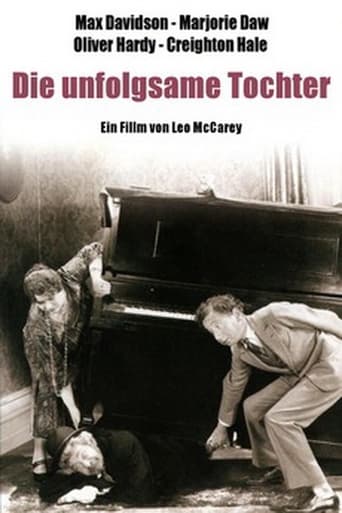
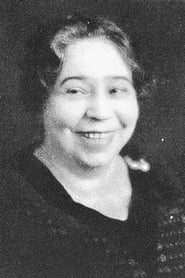
Ann Brody
Actor
Born: August 29, 1884 in Russian Empire Died: July 19, 1944 Active: 1917-1932 Birth Name: Anna Brodsky
Films
4 films
About Ann Brody
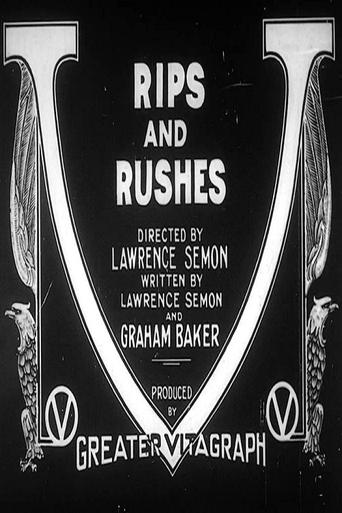
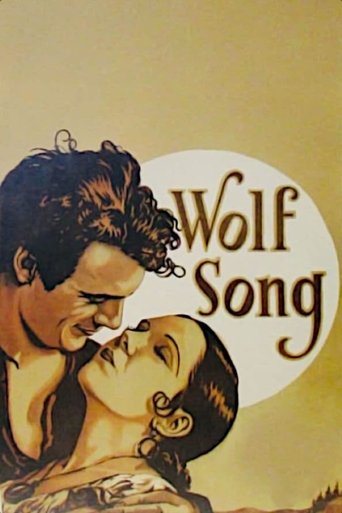
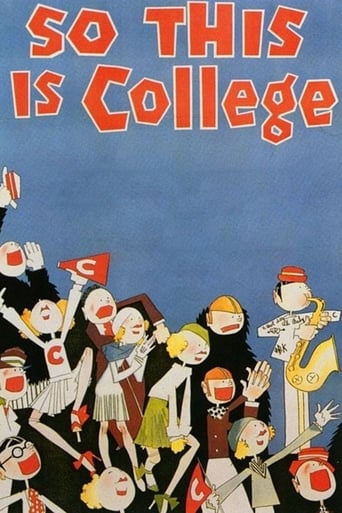
prolific character actress during Hollywood's silent era and early sound period — known for her distinctive matronly roles and expressive performances. Born Anna Brodsky in Russia, she emigrated to the United States and began her film career in 1917 with the comedy short 'Rips and Rushes.' Throughout the 1920s, she established herself as a reliable supporting player, appearing in over 80 films and working with major studios including MGM, Paramount, and Warner Bros. Brody specialized in playing mothers, housekeepers, and ethnic characters, often bringing warmth and authenticity to roles that could have been stereotypical. She successfully transitioned from silent films to talkies, appearing in early sound productions like 'Wolf Song' (1929) and 'So This Is College' (1929). Her career continued into the early 1930s, though she appeared in fewer roles as the decade progressed. Brody's contributions to early cinema, while often uncredited, helped establish the importance of character actors in supporting the leading players of Hollywood's Golden Age.
The Craft
On Screen
Ann Brody was known for her naturalistic and emotionally expressive acting style, particularly adept at conveying maternal warmth and domestic authenticity. Her performances were characterized by subtle facial expressions and body language that translated effectively from silent films to talkies. She specialized in creating believable, three-dimensional characters in supporting roles, often bringing depth to what could have been stereotypical parts. Her approach emphasized emotional truth over theatricality, making her particularly effective in domestic dramas and family-oriented films.
Milestones
- Film debut in Rips and Rushes (1917)
- Transition from silent to sound films
- Appeared in over 80 films during her career
- Worked with major Hollywood studios
- Established herself as a reliable character actress
Best Known For
Iconic Roles
Must-See Films
Working Relationships
Worked Often With
Studios
Why They Matter
Impact on Culture
Ann Brody represents the essential but often overlooked character actors who formed the backbone of early Hollywood cinema. As one of the few actresses of Russian Jewish heritage working regularly during this period, she helped pave the way for greater diversity in American film. Her successful transition from silent films to talkies demonstrated the adaptability required of actors during this technological revolution. Brody's portrayals of mothers and domestic workers contributed to the visual language of American cinema, helping establish archetypes that would influence generations of character actors. Her work ethic and versatility exemplified the professional standards of Hollywood's studio system, where reliable supporting players were crucial to the success of major productions.
Lasting Legacy
Ann Brody's legacy lies in her contribution to the foundation of character acting in American cinema. Though rarely a leading lady, her consistent performances in over 80 films helped establish the importance of supporting roles in creating believable cinematic worlds. Her career trajectory mirrors the evolution of early Hollywood, from the experimental days of silent shorts through the establishment of the studio system and the transition to sound. Brody's work shows the vital role played by character actors in the success of Golden Age cinema, and her filmography provides valuable documentation of acting styles and techniques from this pivotal period in film history.
Who They Inspired
While not a star who influenced other actors directly through mentorship, Ann Brody's consistent work ethic and versatility influenced the professional standards expected of character actors in Hollywood. Her ability to transition between different types of roles and studios demonstrated the adaptability necessary for a long career in the studio system. Her success as an actress of immigrant background helped open doors for other performers from diverse backgrounds in early Hollywood. Her performances in maternal roles helped establish templates for how mothers and domestic figures would be portrayed in American cinema for decades to come.
Off Screen
Ann Brody married fellow actor and director Harry Edwards, with whom she had a daughter. The family was part of the vibrant Jewish artistic community in early Hollywood. Brody was known for her professionalism and reliability on set, earning respect from directors and fellow actors alike. Despite her extensive filmography, she maintained a relatively private personal life away from the cameras. Her daughter followed in her footsteps, pursuing a career in entertainment.
Family
- Harry Edwards (1925-1944)
Did You Know?
- Born Anna Brodsky in the Russian Empire, she changed her name to Ann Brody for her film career
- Appeared in over 80 films during her 15-year career
- Successfully transitioned from silent films to talkies, a challenge that ended many careers
- Often played uncredited roles despite her experience and reliability
- Married director Harry Edwards, who directed many early comedy shorts
- Her daughter June Edwards also became an actress
- Frequently cast in ethnic roles, often playing mothers or housekeepers
- Worked with some of the biggest stars of the silent era, though usually in supporting capacities
- Her filmography includes appearances in both comedy shorts and feature-length dramas
- Was part of the wave of European immigrants who helped shape early Hollywood
Frequently Asked Questions
Who was Ann Brody?
Russian-American character actress active in Hollywood during the silent era and early sound period (1917-1932). She appeared in over 80 films, often playing mothers, housekeepers, and other supporting roles in both shorts and feature films.
What films is Ann Brody best known for?
Titles linked here include Wolf Song (1929), So This Is College (1929).
When was Ann Brody born and when did she die?
Born August 29, 1884; died July 19, 1944.
What awards did Ann Brody win?
Ann Brody did not receive any major awards or nominations during her career, which was typical for character actors of her era who often worked in supporting roles without formal recognition.
What was Ann Brody's acting style?
Ann Brody was known for her naturalistic and emotionally expressive acting style, particularly effective in conveying maternal warmth and domestic authenticity. She specialized in creating believable characters through subtle expressions and body language that worked well in both silent and sound films.