
Why Girls Say No
"Tradition versus the dance floor"
Keys: Space play/pause · ←/→ 10s · F fullscreen · M mute · </> speed
About this film
A short comedy by Leo McCarey about a Jewish father who is worried about his daughter. Exhibitors circulated the 1927 print in short programs.
Cast & crew
More films like this
More Comedy films
View all →







More from Leo McCarey
View all →
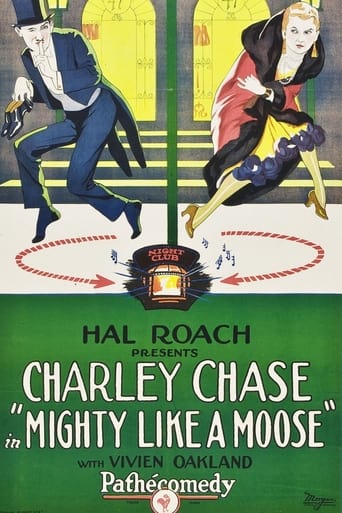

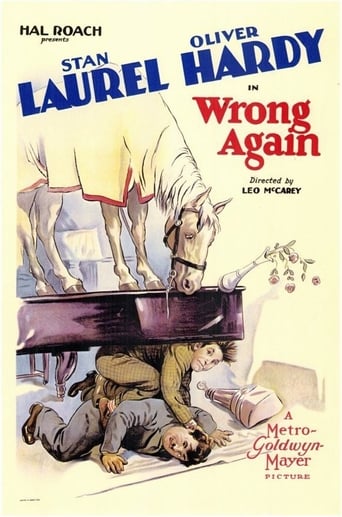
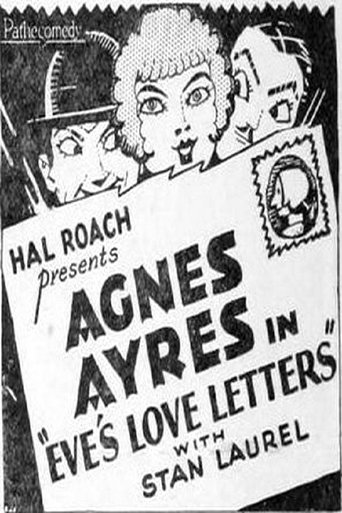
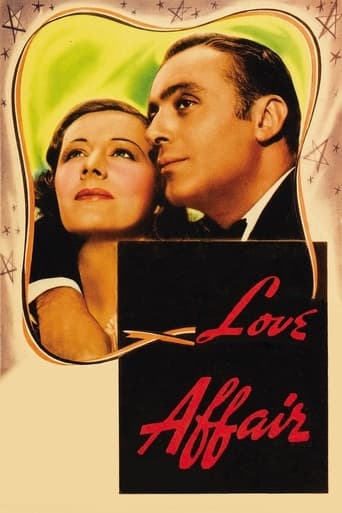
More about this film
About the production
Release dateMarch 12, 1927
Box officeUnknown
ProductionHal Roach Studios
Filmed inLos Angeles, California
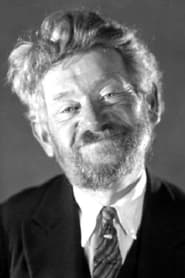
This was one of the many short comedies produced by Hal Roach Studios during the silent era, featuring Max Davidson in his signature role as a Jewish patriarch. The film was typical of Roach's two-reel comedies that ran approximately 20 minutes and were designed to be shown as supporting features before main attractions.
Themes
Themes & topics
comedyshort filmsilent filmfamilyfather-daughter relationshipromanceJewish familyoverprotective parentsuitorsmisunderstanding
Historical background
Why Girls Say No reached screens around 1927, produced in its country of origin. Silent-era houses paired such titles with live music and newsreel bills.
Why this film matters
Researchers cite Why Girls Say No when tracing screen culture of its decade.
Making of
Leo McCarey was still early in his directing career when he made this short, having previously worked as a writer and gag man for Hal Roach. McCarey's background in vaudeville and his sharp comedic timing helped shape the film's pacing. Max Davidson, a veteran character actor, brought authenticity to his portrayal of a Jewish father, drawing from his own background. The production was typical of Roach's efficient studio system, with most shorts being completed in just a few days. The film's success led to more Davidson-McCarey collaborations, though McCarey would soon move on to feature films and greater acclaim.
What critics said
Reviewers in 1927 weighed Why Girls Say No on clarity, pacing, and audience response rather than prestige status. No single canonical review dominates later reference works for the title.
Did you know?
- This was one of over 20 short comedies that Max Davidson made for Hal Roach Studios between 1925-1928
- Leo McCarey, who directed this short, would later become one of Hollywood's most respected directors, winning Oscars for 'The Awful Truth' and 'Going My Way'
- The film was part of a popular series of 'Jewish comedy' shorts that capitalized on Max Davidson's persona as a fretful, overprotective father
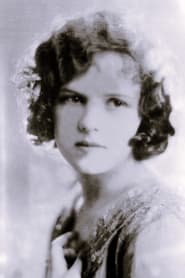
- Marjorie Daw, who plays the daughter, was a popular actress of the 1910s and 1920s who successfully transitioned from leading lady to character roles
- The film's title refers to the running joke about the various reasons the daughter gives for rejecting suitors, which frustrates her father
- Like many silent shorts of the era, the film featured original musical accompaniment that varied by theater
- The film was released just months before 'The Jazz Singer' would revolutionize cinema with sound
- Hal Roach Studios was known as 'The Lot of Fun' and was responsible for launching the careers of Harold Lloyd, Laurel and Hardy, and Our Gang
- This film is considered part of McCarey's early work that helped develop his skills in comedy timing and character development
Visual style
The cinematography was typical of Hal Roach Studios' workmanlike approach to short comedies - clear, functional, and focused on capturing the performers' expressions and movements. The film likely employed stationary cameras with occasional tracking shots to follow the action. Lighting was designed to highlight the actors' faces, crucial for conveying emotion in silent film. The visual style prioritized clarity over artistic experimentation, ensuring the comedy would read well in theaters of varying quality.
Innovations
The film represents the refinement of the two-reel comedy format that Hal Roach Studios had perfected. While not groundbreaking technically, it demonstrates the efficient production methods that allowed Roach to maintain high quality while producing large quantities of shorts. The film's editing and pacing show the sophisticated understanding of comic timing that would become McCarey's trademark.
Music
As a silent film, it had no recorded soundtrack but would have been accompanied by live music in theaters. The typical accompaniment would have included popular songs of the era, classical pieces, and original cues composed by the theater's music director. The music would have been synchronized to enhance the comedic timing and emotional beats of the story.
Famous quotes
As a silent film, dialogue was conveyed through intertitles. Specific quotes are not widely documented, but the film featured typical intertitles expressing the father's worries and the daughter's explanations.
Memorable scenes
- The sequence where the father interrogates each suitor, growing increasingly exasperated with their responses
- The climactic scene where the daughter reveals her true choice, leading to the father's emotional acceptance
- The opening sequence establishing the father's anxiety about his daughter's dating life
What audiences thought
The film was well-received by audiences of its time, particularly those who enjoyed Max Davidson's recurring character. Jewish audiences reportedly appreciated the affectionate portrayal of family life, while general audiences responded to the universal themes of parental concern and young romance. The film performed solidly as part of theater double bills, helping maintain Davidson's popularity as a comedy star during the mid-1920s.
Film connections
Influenced by
- Other Max Davidson comedies for Hal Roach
- Contemporary ethnic comedy shorts
- Vaudeville comedy traditions
This film influenced
- Later Max Davidson shorts
- Other Hal Roach ethnic comedies
- Early sound family comedies
Film restoration
The film is believed to survive in archives, though it may not be widely available to the public. Many Hal Roach shorts from this period have been preserved through various archives and private collections. The film exists in 16mm and possibly 35mm prints, though a fully restored version may not be available.
Where to watch
- The film may be available through specialized silent film archives
- Possible inclusion in Hal Roach collections or Max Davidson compilations
- May occasionally screen at silent film festivals or special events
- Potential availability through film preservation organizations or academic institutions