Marjorie Daw
Actor
Born: January 19, 1895 in Denver, Colorado, USA Died: March 20, 1979 Active: 1915-1927 Birth Name: Margaret House
Films
8 films
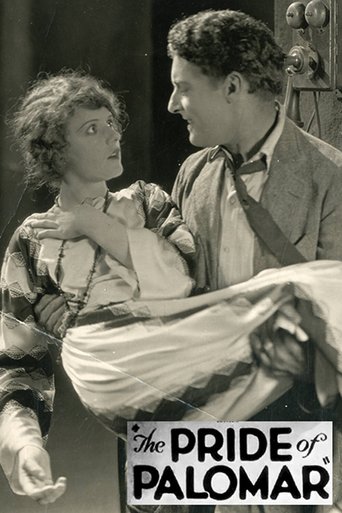

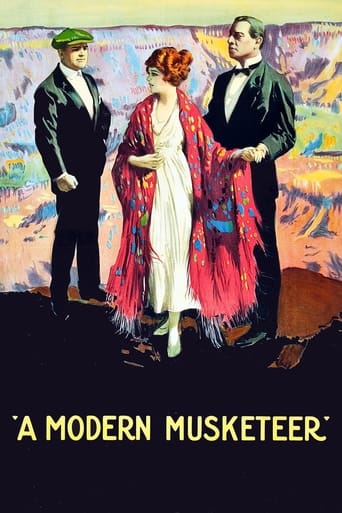

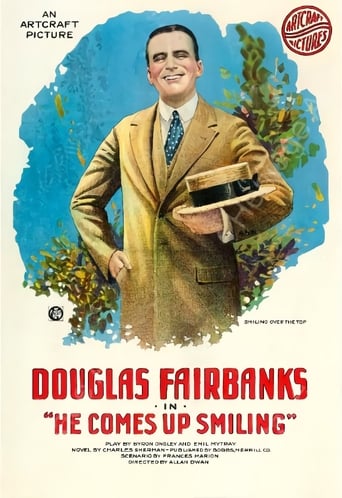
About Marjorie Daw
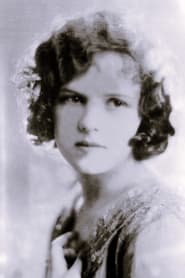
Prominent American actress of the silent film era who rose to fame as a leading lady in the late 1910s and early 1920s. Born Margaret House in Denver, Colorado, she began her film career after being discovered by director Cecil B. DeMille, who gave her a contract with Famous Players-Lasky Corporation. Daw quickly established herself as a versatile performer, excelling in both dramatic roles and light comedies, often playing the sophisticated, modern woman of the Jazz Age. She reached the peak of her popularity between 1917 and 1922, starring opposite leading men such as Wallace Reid and Thomas Meighan in numerous successful productions. Her career began to wane as the 1920s progressed, and she made her final film appearance in 1927 before retiring from the industry at the relatively young age of 32. After leaving Hollywood, Daw largely disappeared from public life, focusing on her family and personal interests away from the glamour of the silver screen.
The Craft
On Screen
Marjorie Daw was known for her naturalistic acting style that stood out in an era of often exaggerated theatrical performances. She brought a subtle, understated quality to her roles, particularly excelling in comedy where her timing and expressive eyes conveyed emotion without melodrama. Her screen presence combined sophistication with approachability, making her particularly effective in roles as modern, independent women navigating the changing social landscape of the 1920s.
Milestones
- Discovered by Cecil B. DeMille in 1915
- Signed contract with Famous Players-Lasky Corporation
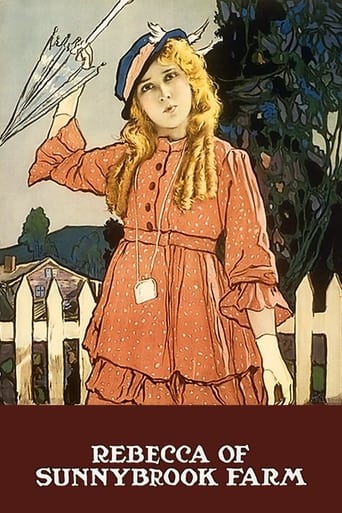
- Starred in 'Rebecca of Sunnybrook Farm' (1917)
- Leading lady opposite Wallace Reid in multiple films
- Transitioned from supporting roles to star status by 1917
- Retired from films in 1927 at height of transition to sound
Best Known For
Iconic Roles
Must-See Films
Accolades
Special Recognition
- Hollywood Walk of Fame star (6656 Hollywood Boulevard)
Working Relationships
Worked Often With
Studios
Why They Matter
Impact on Culture
Marjorie Daw represented the transition from Victorian-era femininity to the more independent 'New Woman' of the 1920s, both on screen and in her career choices. Her natural acting style helped pave the way for more realistic performances in cinema, moving away from the theatrical gestures common in early film. Though not as widely remembered as some of her contemporaries, Daw's work in films like 'Rebecca of Sunnybrook Farm' helped establish the template for the American family film genre.
Lasting Legacy
Marjorie Daw's legacy lies primarily in her contribution to the development of naturalistic acting in silent cinema and her embodiment of the modern American woman during a period of significant social change. While she may not have achieved the lasting fame of stars like Mary Pickford or Clara Bow, her filmography provides valuable insight into the evolution of American cinema and cultural attitudes during the World War I and post-war eras. Her relatively early retirement has made her somewhat enigmatic among silent film stars, adding to her mystique among film historians and enthusiasts.
Who They Inspired
Daw's subtle acting technique influenced younger actresses entering the industry in the 1920s, demonstrating that emotional depth could be conveyed through understated performance rather than grand gestures. Her successful transition from supporting player to leading lady provided a career model for other actresses in the studio system, showing how strategic role selection and professional relationships could advance one's career in the hierarchical Hollywood of the silent era.
Off Screen
Marjorie Daw married wealthy businessman A. Edward Sutherland in 1924, after which she gradually reduced her film appearances. The marriage ended in divorce in 1927, coinciding with her retirement from acting. She later married director William B. Goodrich in 1932, with whom she spent the remainder of her life. Unlike many of her contemporaries, Daw embraced retirement and rarely spoke about her film career in her later years, preferring a quiet domestic life away from Hollywood's spotlight.
Family
- A. Edward Sutherland (1924-1927)
- William B. Goodrich (1932-1979)
Did You Know?
- Her stage name 'Marjorie Daw' was inspired by a character in a Thomas Hood poem
- She was discovered while working as a model in Denver
- Daw was one of the first actresses to successfully negotiate her own contracts
- She stood at 5'3" and was known for her distinctive dark hair and expressive eyes
- Unlike many silent stars, she successfully transitioned to retirement without financial difficulties
- She turned down several offers to appear in early sound films
- Daw — accomplished horsewoman and often performed her own riding stunts
- She maintained lifelong friendships with several of her co-stars despite leaving Hollywood
- Her films were among the first to be preserved by the Library of Congress
- She was known for her charitable work, particularly with children's organizations in Denver
In Their Own Words
I've had my time in the sun, and now it's time for others to have theirs. There's more to life than being photographed.
The camera doesn't lie, but it also doesn't tell the whole story of who you are.
Being a movie star is like being a beautiful butterfly - admired by all, but with a very short time to fly.
Frequently Asked Questions
Who was Marjorie Daw?
Prominent American silent film actress who starred in numerous films between 1915 and 1927. Discovered by Cecil B. DeMille, she became a leading lady known for her naturalistic acting style and roles as modern, independent women during the transitional period of American cinema.
What films is Marjorie Daw best known for?
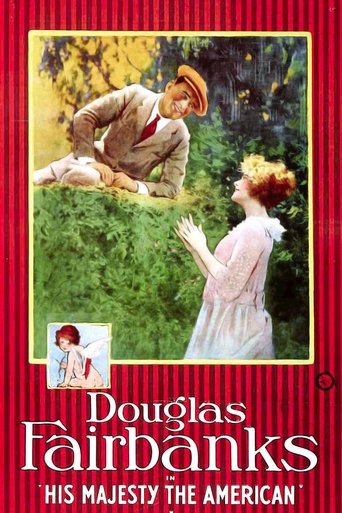
Titles linked here include Rebecca of Sunnybrook Farm (1917), His Majesty, the American (1919).
When was Marjorie Daw born and when did she die?
Born January 19, 1895; died March 20, 1979.
What awards did Marjorie Daw win?
While Marjorie Daw did not receive major acting awards during her career (as the Academy Awards were not established until 1929, after her retirement), she was honored with a star on the Hollywood Walk of Fame at 6656 Hollywood Boulevard for her contributions to film.
What was Marjorie Daw's acting style?
Daw was known for her naturalistic and understated acting style, which set her apart from the more theatrical performances common in silent cinema. She excelled at conveying emotion through subtle expressions and timing, particularly in comedic roles where her sophisticated yet approachable screen presence made her a favorite among audiences.