
The Pride of Palomar
"Jazz Age nights, spanish days"
Keys: Space play/pause · ←/→ 10s · F fullscreen · M mute · </> speed
About this film
Early in Jazz Age life, a soldier inaccurately reported as dead returns home to his Spanish family’s estate in California, only to find his father deceased and his ancestral land in the hands of strangers.
Cast & crew
More films like this
More Drama films
View all →







More from Frank Borzage
View all →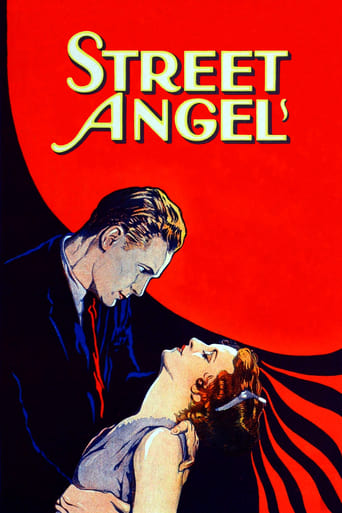
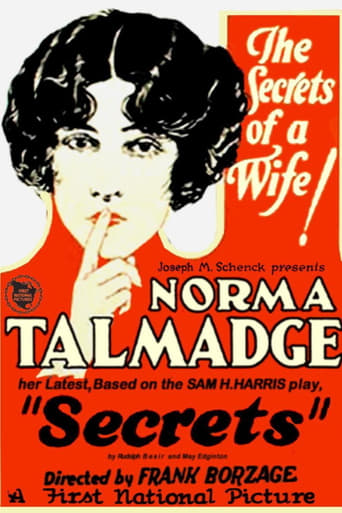
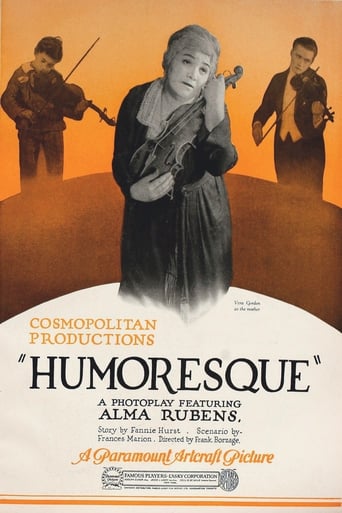
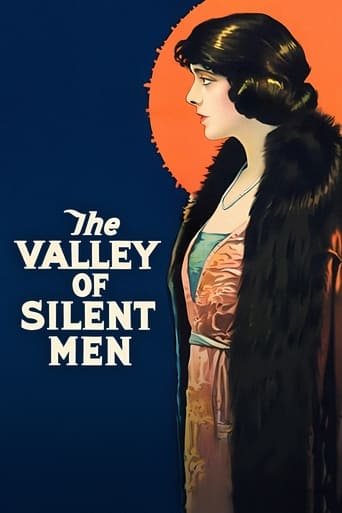
More about this film
About the production
Release dateOctober 1, 1922
ProductionWilliam Fox Productions, Fox Film Corporation
Filmed inCalifornia, Fox Studios, Hollywood
The film was part of Fox's push to produce romantic dramas set in California's Spanish colonial past. Production took place during the early 1920s when Hollywood was increasingly interested in stories that romanticized California's Spanish heritage. The film featured elaborate costumes and set designs to recreate the Spanish rancho era.
Themes
Identity and HeritageCultural DisplacementRomance and Social ClassPost-War ReadjustmentLand Ownership and Legacy
Themes & topics
Spanish RanchSoldier ReturnsMistaken IdentityLost InheritanceRomanceCalifornia HistoryFamily DramaLand Dispute
Historical background
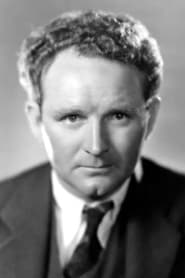
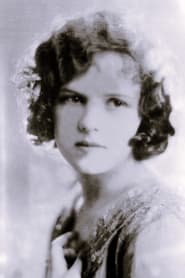
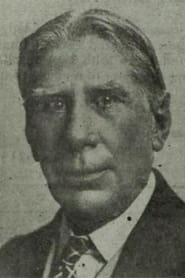
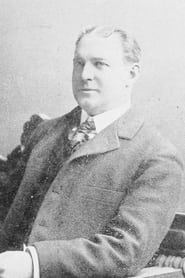
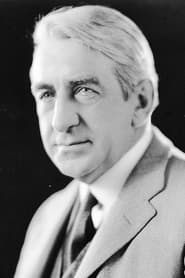
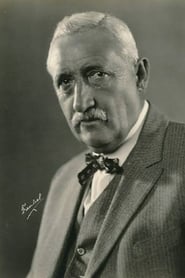
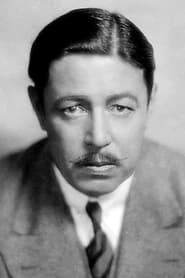
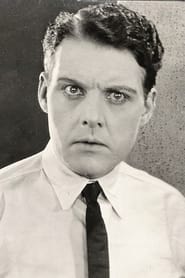
Made in 1922, The Pride of Palomar belongs to the Jazz Age and carries the visual and narrative habits of its time. Kyne, and John Lynch. The film stars Forrest Stanley, Marjorie Daw, Tote Du Crow, James O.
Why this film matters
For collectors of early and classic cinema, The Pride of Palomar illustrates the range of subjects and styles that reached theaters in 1922.
Making of
The production took advantage of California's diverse landscapes, filming on location to capture the authentic Spanish rancho atmosphere. Director Frank Borzage, though early in his feature film career, was already developing his signature style of blending romance with social commentary. The cast included Marjorie Daw, who was a popular leading lady of the silent era, known for her expressive performances. Tote Du Crow brought authenticity to the production with his Native American heritage, though like many minority actors of the period, he was often typecast in stereotypical roles. The film's production design emphasized the romanticized vision of Spanish California, with elaborate costumes and set pieces that reflected the era's fascination with the state's colonial past.
What critics said
Critics writing near 1922 focused on how The Pride of Palomar compared with rival titles in the same season. A print of is preserved in the Library of Congress collection.
Did you know?
- The film was based on the 1921 novel 'The Pride of Palomar' by Peter B. Kyne, who was known for his Western and frontier stories.
- Director Frank Borzage was early in his career but would later become famous for his romantic dramas, winning the first Academy Award for Best Director.
- The film was one of several early 1920s productions that capitalized on public interest in California's Spanish colonial history.
- Tote Du Crow, who played a supporting role, was one of the few Native American actors working in Hollywood during the silent era.
- The title 'Palomar' refers to a type of Spanish ranch or estate, fitting the film's setting and themes.
- This film was released during the transition from short films to feature-length productions in Hollywood.
- The story's theme of a soldier returning from war to find his homeland changed resonated with post-World War I audiences.
- Fox Film Corporation heavily promoted the film's romantic elements and exotic California setting in its marketing materials.
Visual style
The film utilized the natural beauty of California locations, featuring sweeping landscapes that emphasized the romantic isolation of the Spanish ranch setting. The cinematography employed the dramatic lighting techniques typical of the silent era, using strong contrasts to enhance emotional moments. Location shooting provided authentic visual texture that complemented the story's setting, with careful attention to architectural details and period-appropriate set design that helped create the film's romanticized vision of Spanish California.
Innovations
The film demonstrated the increasing sophistication of Hollywood production techniques in the early 1920s, including more elaborate set construction and improved location filming capabilities. The production utilized the developing technology of the era to create convincing period settings and costumes. While not groundbreaking technically, the film represented the standard of professional filmmaking that major studios like Fox were achieving in the early 1920s.
Music
As a silent film, The Pride of Palomar would have been accompanied by live musical performance during its theatrical run. Typical accompaniment would have included a piano or small orchestra performing popular pieces of the era along with specially composed mood music. The score likely emphasized romantic themes and Spanish-influenced melodies to complement the film's setting and dramatic moments. No original score recordings survive from the film's initial release.
Famous quotes
Palomar is not just land - it is our soul, our heritage, our very being.
In this new California, some things must change, but not everything that matters should be lost.
A man's home is his castle, but a Spanish man's rancho is his kingdom.
Memorable scenes
- The dramatic return of Don Juan to Palomar, discovering the changes to his ancestral home
- The confrontation scene between Juan and the new landowners, highlighting the cultural and generational conflict
- The romantic moonlit scene between Juan and the female lead, showcasing the film's romantic elements against the California landscape
What audiences thought
The film reportedly performed moderately well at the box office, particularly in western states where audiences had a special connection to stories set in their region. The romantic elements and exotic setting appealed to mainstream audiences of the early 1920s who were drawn to stories that combined drama with picturesque settings. The theme of a soldier returning from war to find his home changed resonated with post-war audiences who had experienced similar disruptions in their own lives.
Film connections
Influenced by
- Peter B. Kyne's novel
- Contemporary Western romances
- Spanish colonial revival movement
- Post-WWI literature
This film influenced
- Later Spanish California romances
- Frank Borzage's subsequent romantic dramas
- Hollywood's Spanish heritage films
Film restoration
The Pride of Palomar is considered a lost film. No complete copies are known to exist in major film archives or private collections. Like many silent films from the early 1920s, it was likely lost due to the decomposition of nitrate film stock or studio destruction of prints. Only fragments or production stills may survive in various archives, making it one of the many casualties of silent film preservation challenges.
Where to watch
- Unfortunately, this film is not available for viewing as it is considered lost. No known complete copies survive in archives or collections.