

Joseph J. Dowling
Actor
Born: August 4, 1848 in Dublin, Ireland Died: July 8, 1928 Active: 1914-1928
Films
6 films
About Joseph J. Dowling
Joseph J. Dowling appeared in over 80 films between 1914 and 1928. Born in Ireland, he began his career on the stage before transitioning to motion pictures during the early days of Hollywood. Dowling quickly established himself as a reliable supporting actor, often portraying authoritative figures such as judges, ministers, doctors, and aristocrats. His the crucial development years of American cinema, working with prominent directors and stars of the silent era. Joseph appears in several notable productions including adaptations of literary classics and popular melodramas. Dowling's screen presence was characterized by his dignified bearing and expressive eyes, which served him well in the medium of silent film. His career concluded with the transition to sound films, as was common for many actors of his generation.
The Craft
On Screen
Dowling was known for his dignified, authoritative screen presence and his ability to convey complex emotions through subtle facial expressions and body language. His theatrical background provided him with excellent diction and posture, which translated well to the silent screen where physical expression was paramount. He specialized in portraying figures of authority and respectability, bringing gravitas to every role.
Milestones
- Stage career in Ireland before film
- Transition to American silent cinema
- Over 80 film appearances
- Work with major studios of the silent era
- Consistent character actor throughout career
Best Known For
Iconic Roles
Must-See Films
Working Relationships
Worked Often With
Studios
Why They Matter
Impact on Culture
Joseph J. Dowling represents the generation of classically trained actors who bridged the gap between 19th-century stage traditions and 20th-century cinema. His work helped establish the archetype of the dignified character actor in American film, a role that would become essential in supporting the narratives of silent and early sound films. His performances contributed to the legitimacy of cinema as an art form by bringing theatrical gravitas to the new medium.
Lasting Legacy
Dowling's legacy lies in his contribution to the development of character acting in American cinema. As one of the many skilled supporting actors who populated silent films, he helped create the performances that made early Hollywood productions memorable. His career trajectory from stage to film exemplifies the broader transition of entertainment during the early 20th century.
Who They Inspired
While not a major star, Dowling's consistent work ethic and professional approach to character acting set a standard for supporting performers in the film industry. His ability to portray authority figures with authenticity influenced how such roles would be cast and performed in subsequent decades of American cinema.
Off Screen
Joseph J. Dowling immigrated to the United States from Ireland, bringing with him extensive theatrical experience from his home country. He established himself in the American entertainment industry first through stage work before transitioning to the burgeoning film industry. Little is documented about his personal relationships, though his long career suggests he was well-respected within the industry. His later years were spent in California where he continued working in films until his death in 1928.
Education
Classical theatrical training in Ireland
Did You Know?
- Began his career at age 66, making him one of the oldest actors to start in films
- Appeared in Westerns, dramas, and adaptations of literary classics
- Worked with some of the biggest stars of the silent era including Mary Pickford
- His stage experience in Ireland provided him with classical training rare among early film actors
- Appeared in both short subjects and feature-length films
- His active years covered the entire period of American silent film's golden age
- Often cast as a father figure or authority role due to his appearance
- Transitioned from legitimate theater to motion pictures during the early 1910s
Frequently Asked Questions
Who was Joseph J. Dowling?
Screen credits include over 80 silent films between 1914 and 1928. He was known for portraying authoritative figures such as judges, ministers, and aristocrats, bringing theatrical gravitas to his film roles after a successful stage career in Ireland.
What films is Joseph J. Dowling best known for?
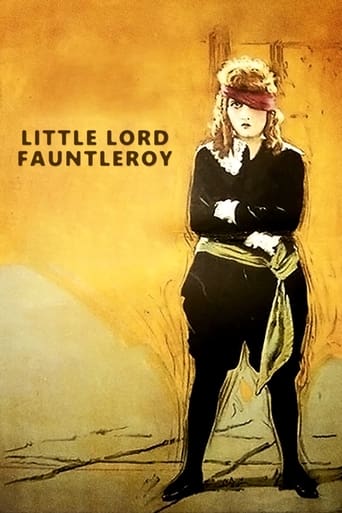
Titles linked here include The Bargain (1914), Little Lord Fauntleroy (1921).
When was Joseph J. Dowling born and when did he die?
Born August 4, 1848; died July 8, 1928.
What awards did Joseph J. Dowling win?
Joseph J. Dowling did not receive any major awards or nominations during his career, which was common for character actors of the silent era. His recognition came through consistent work and the respect of his colleagues in the film industry.
What was Joseph J. Dowling's acting style?
Dowling's acting style was characterized by his dignified, authoritative presence and classical training from his stage background. He excelled at conveying complex emotions through subtle facial expressions and body language, making him particularly effective in the silent film medium where visual performance was paramount.